
There is a moment every historian knows: years of solitary work crystallising into something you can hold in your hands.
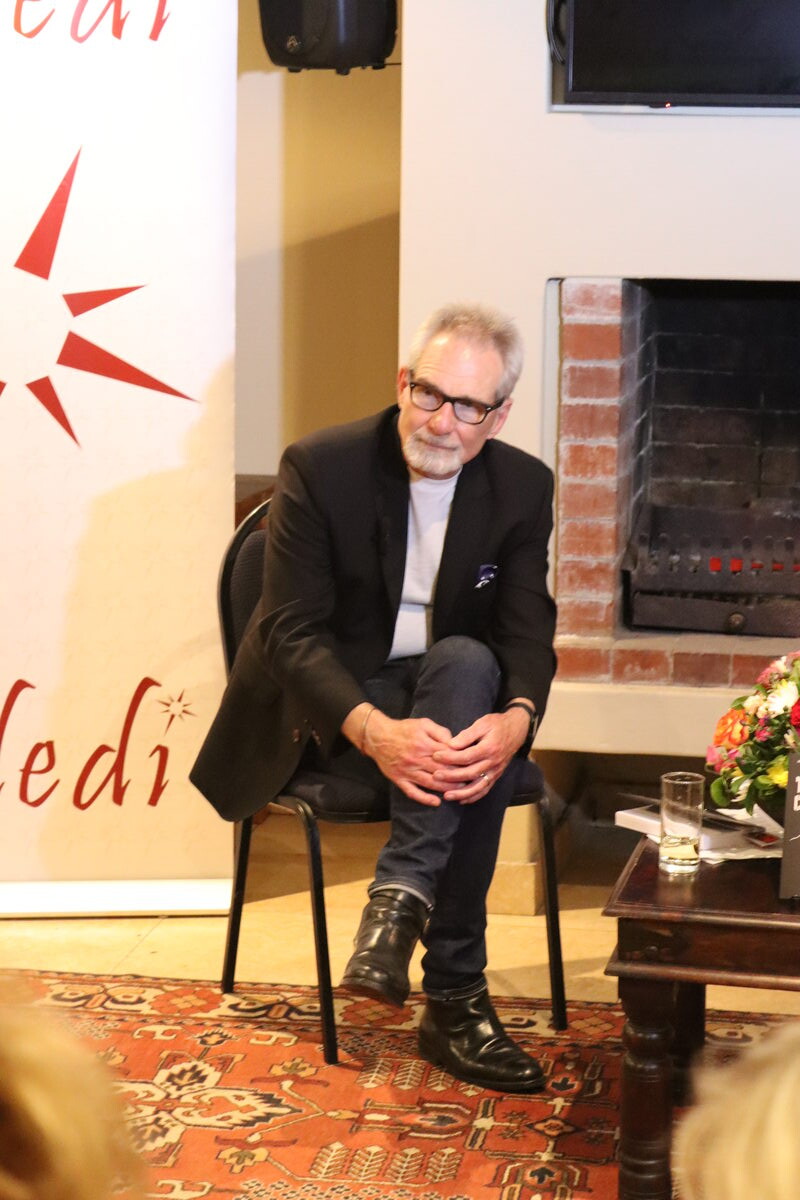
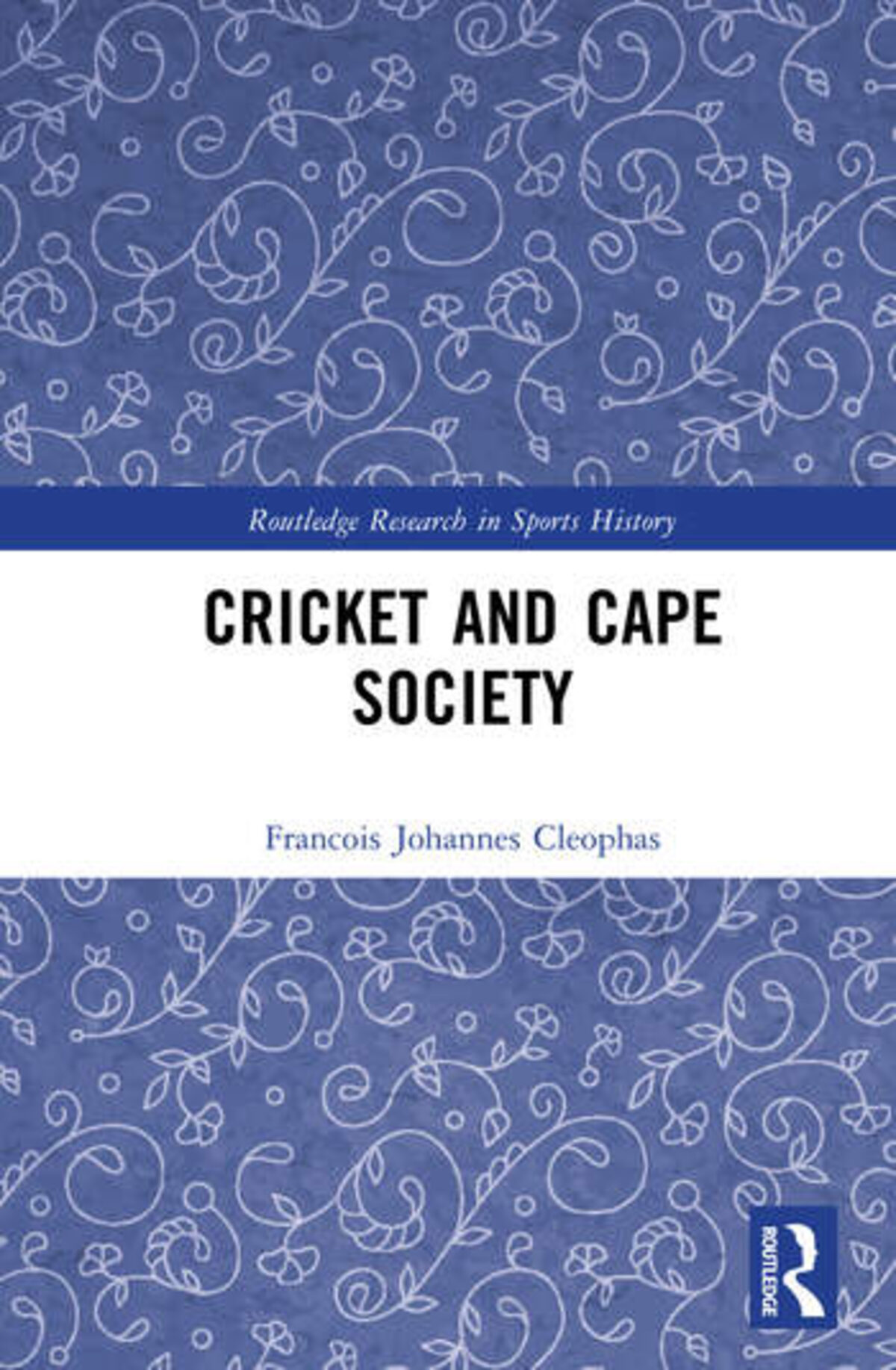
For Associate Professor Francois Cleophas of Stellenbosch University’s Department of Exercise, Sport, and Lifestyle Medicine, that moment arrived when the first copy of his new book, Cricket and Cape Society, landed on his desk.
Published by Routledge, the book is the product of more than a decade of research into an extraordinary community sporting institution in the Cape Peninsula, St Augustine Cricket Club.
“It was immensely satisfying and humbling,” says Cleophas, a resident of Elfindale, of holding the book in his hands for the first time.
“Seeing years of research become a published book brought a deep sense of accomplishment, but also reminded me of the many individuals, families and communities whose stories the book seeks to preserve. My aim was not simply to record events, but to explain why they mattered and what they reveal about South African society.”
ALSO READ: Stellenbosse historikus op ‘n 146 006 km reis na land se fonteine
Cricketing stalwarts
St Augustine CC was founded in Cape Town’s southern suburbs in 1899.
Its grounds sit less than three kilometres from South Peninsula High School – at one time St Augustine’s junior team used the school’s facilities, binding the club to the surrounding community across generations.
But the club’s most remarkable distinction is the calibre of player it has produced.
Saints, as the club is fondly referred to, is the only club in South Africa to have produced three players across three consecutive centuries, each with an international profile: Krom Hendricks, Basil D’Oliveira and Paul Adams. Their stories, and the stories of the communities that raised them, sit at the centre of Cleophas’s narrative.
“One of the greatest challenges was locating and verifying historical material, particularly where records had been lost or were incomplete,” he notes.
I realised its story reflected broader themes relating to community life, racial segregation, opportunity, resilience and the role sport played in shaping lives.
The book traces how cricket became a vehicle through which people built lasting institutions, developed leadership, forged lifelong friendships and maintained dignity under some of the most difficult social and political circumstances the country has known.
It also shows how the club was entangled in South African and world cricket across racial and class divides – a history that is as much about society as it is about sport.
Book’s intersections
Though not a cricketer himself, Cleophas was a national track sprinter within the South African Council on Sport (Sacos) sporting movement, an experience that gave him an intimate understanding of sport’s role in South African communities.
“This was a huge drawback for me, researching this book, since many times I could not identify with my characters and their experiences,” he admits.
The book title, Cricket and Cape Society, reflects both the club’s specific history and the broader social history the book explores: how cricket intersected with community life, identity, education, politics and social change over many decades.
Cricket and Cape Society was launched at South Peninsula High, specifically chosen for its close historical connection to both the club and the surrounding community, on Saturday 25 July.
The book is available through Exclusive Books and other major South African bookstores, distributed locally by Jonathan Ball Publishers.
It is also available internationally through the Routledge website and Amazon.
ALSO READ: Vlottenburg-verhale te boek gestel