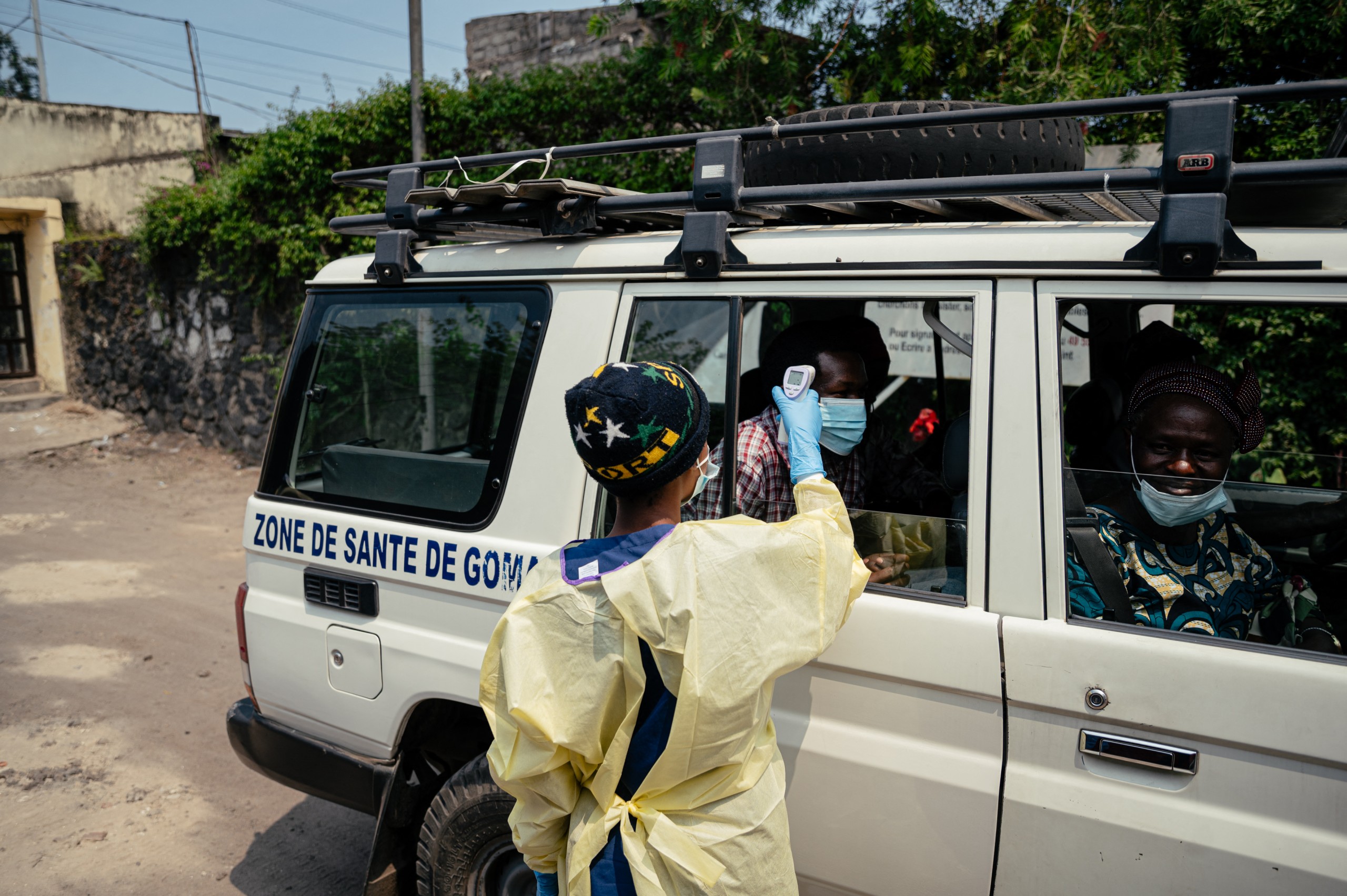
Health workers in the eastern Democratic Republic of Congo (DRC) are facing growing challenges in the fight against Ebola, with local distrust, cultural traditions and resistance to health measures complicating efforts to contain the virus.
In the rural community of Bulambo-Isale, residents recently attempted to prevent an ambulance from transporting the body of a local Ebola victim for burial.
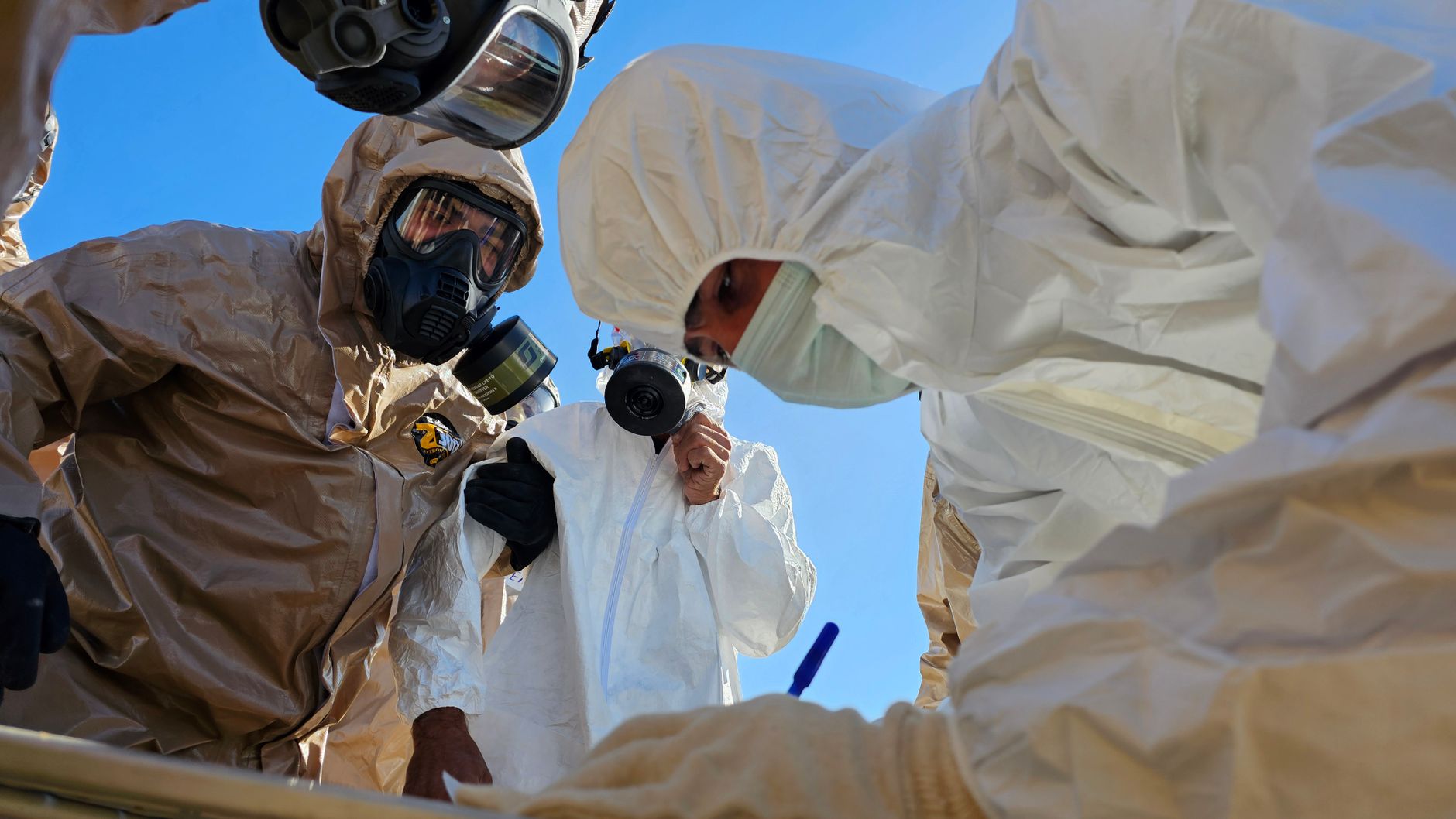
Under health regulations, victims of the highly contagious disease must be buried in sealed body bags to prevent further infection. Specially trained health workers conduct the burials while wearing protective suits, but residents say these procedures disregard their cultural practices.
The situation has created tension between communities and health officials, particularly because many residents believe their deceased should be buried by family members.
Traditional leader Pimbo Kakule says communities feel their customs are being ignored by authorities.
“Our people believe there is life after death and our customs must be respected when a person is buried. Otherwise we think they’ve been sacrificed,” he said.
According to Nande traditions, the deceased must return to the soil of their ancestors so that the living can communicate with them in the afterlife.
Mistrust of authorities has also fuelled rumours that patients are being poisoned when taken to treatment centres. Some residents question why patients are removed from their communities without clear explanations about where they are going.
Roland Vivaya, head of the local youth council, said many residents still do not believe Ebola exists. He admitted that he only understood the seriousness of the disease after nearly dying from it himself.
Meanwhile, health workers face regular threats and attacks. Wilson Kasyani, chief doctor of the Vuhovi health district, said a nurse’s son was recently injured when people entered her home. Investigators have also faced threats of violence, including an attempted machete attack.
Language barriers, poor communication and suspicions of financial profiteering have further deepened tensions. Some residents believe people recruited to assist with the Ebola response are benefiting financially at the expense of their communities.
Local health officials believe involving residents in the response could help overcome resistance. They say more community education and engagement are needed to build trust.
“We are fighting the disease, not the response teams,” Kakule said.
However, limited funding, inadequate treatment facilities and a lack of resources for community awareness campaigns continue to hamper efforts. Health workers also struggle to reach remote communities, while some patients have fled treatment centres because they fear they will die there.
The challenges highlight the importance of working with local communities rather than imposing health measures without understanding their beliefs and concerns.
ALSO READ: DR Congo Ebola outbreak becomes country’s deadliest on record.