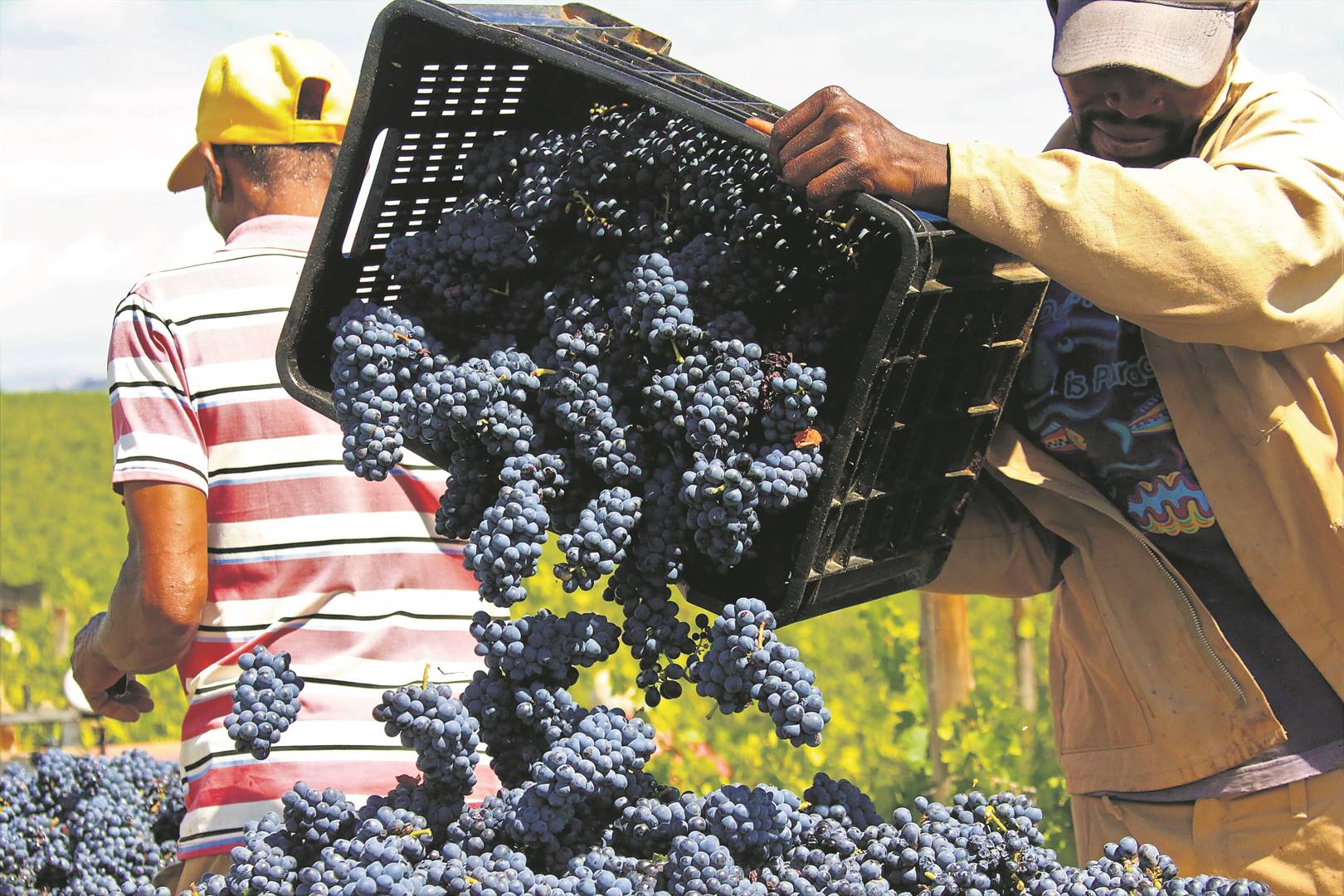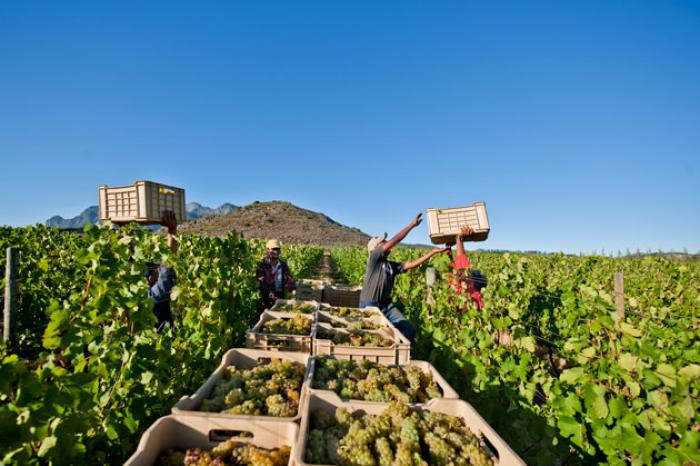
Early vineyard conditions are encouraging across South Africa’s wine regions, with good reserve accumulation, generally sufficient water availability and promising fruitfulness providing a sound foundation for the 2027 wine grape harvest.
Above avarage
Following an above-average 2026 harvest, early indications point to good production potential for 2027, supported by favourable conditions during flower cluster initiation in 2025 and strong vegetative growth. However, with much of the growing season still ahead, conditions during flowering and fruit set will ultimately determine the size and composition of the crop.
ALSO READ: Cape high court overturns burger needle ruling, clears wine bar restaurant
The post-harvest period was generally favourable, with good rainfall during April and May helping vineyards replenish reserves ahead of dormancy. This was followed by an unusually dry and warm winter across many regions. Early winter cold nevertheless allowed sufficient cold units to accumulate in most areas, while warmer conditions during August resulted in vineyards budding two to three weeks earlier than usual in several regions.
Despite the dry winter, water availability for the coming season is generally sufficient. September rainfall provided a welcome replenishment in many regions, while several major irrigation dams are full or nearly full. Conditions differ between regions, however, and water will remain an important management consideration as the season progresses.
Sound foundation
Dr Etienne Terblanche, Vinpro consultation services manager, says the early indicators provide a sound foundation for the season ahead.
“The vineyards have generally entered the new season with good reserves, and we are seeing encouraging bud break and initial growth in many regions. Conditions during flower cluster initiation in the previous season were favourable, which gives us good potential, but it is still very early in the season. Flowering, fruit set, water availability and weather conditions over the coming months will ultimately determine what reaches the cellar.”
The continued contraction and ageing of South Africa’s vineyard base, particularly in coastal regions, remain important structural factors influencing production. Inland regions generally have a more stable vineyard base, a greater proportion of younger vineyards and sufficient irrigation water at this stage of the season.
The encouraging early vineyard conditions come at a time when the South African wine industry is navigating a challenging market environment. After the larger 2026 harvest, elevated wine stocks and softer demand in certain domestic and international market segments continue to place pressure on parts of the value chain. While these pressures differ across regions, producers and market segments, they reinforce the importance of aligning future production with market demand and sustainable value creation.
For South Africa Wine, the focus remains on ensuring that vineyard production supports a value-driven wine industry. Rico Basson, chief executive officer of South Africa Wine, says the early outlook should therefore be viewed in the context of the industry’s broader drive towards sustainable value creation.
“A successful harvest is not measured by volume alone. We need to produce grapes and wines that match what consumers want and what markets are prepared to pay for. With elevated stock levels and softer demand in parts of the market, the focus must increasingly shift from volume towards value, market development and long-term profitability. South Africa has the quality, diversity and expertise to compete successfully, but sustainable growth will depend on better alignment between what we produce and what we can sell.”
Basson adds that the adaptability of South African producers remains an important competitive strength. “Our producers have repeatedly demonstrated their ability to respond to changing climatic, production and market conditions. The start of the 2027 season provides a sound foundation, but there is still a long way to go before harvest. Decisions around water, vineyard management, cultivar choice and production will remain critical to building a more sustainable and competitive industry.”
Still challenges
The early season has not been without challenges. Flooding in May damaged vineyards and infrastructure along parts of the Breede and Olifants Rivers, while further flooding affected the Klein Karoo in June. The exceptionally dry winter has also placed greater emphasis on careful water management in some areas. Despite unusually early bud break, which increased the period of potential frost exposure, no significant frost damage was reported at the time of the assessment.
The coming weeks will be important as vineyards move through flowering and fruit set. Follow-up rainfall, irrigation availability and weather conditions during this period will provide a clearer indication of the eventual 2027 crop.
The full district conditions and harvest expectations report was compiled using Vinpro’s technical expertise, supported by data and insights from the South African Wine Industry Information and Systems (SAWIS). This continues the collaborative approach used for the industry’s annual early-season assessment.