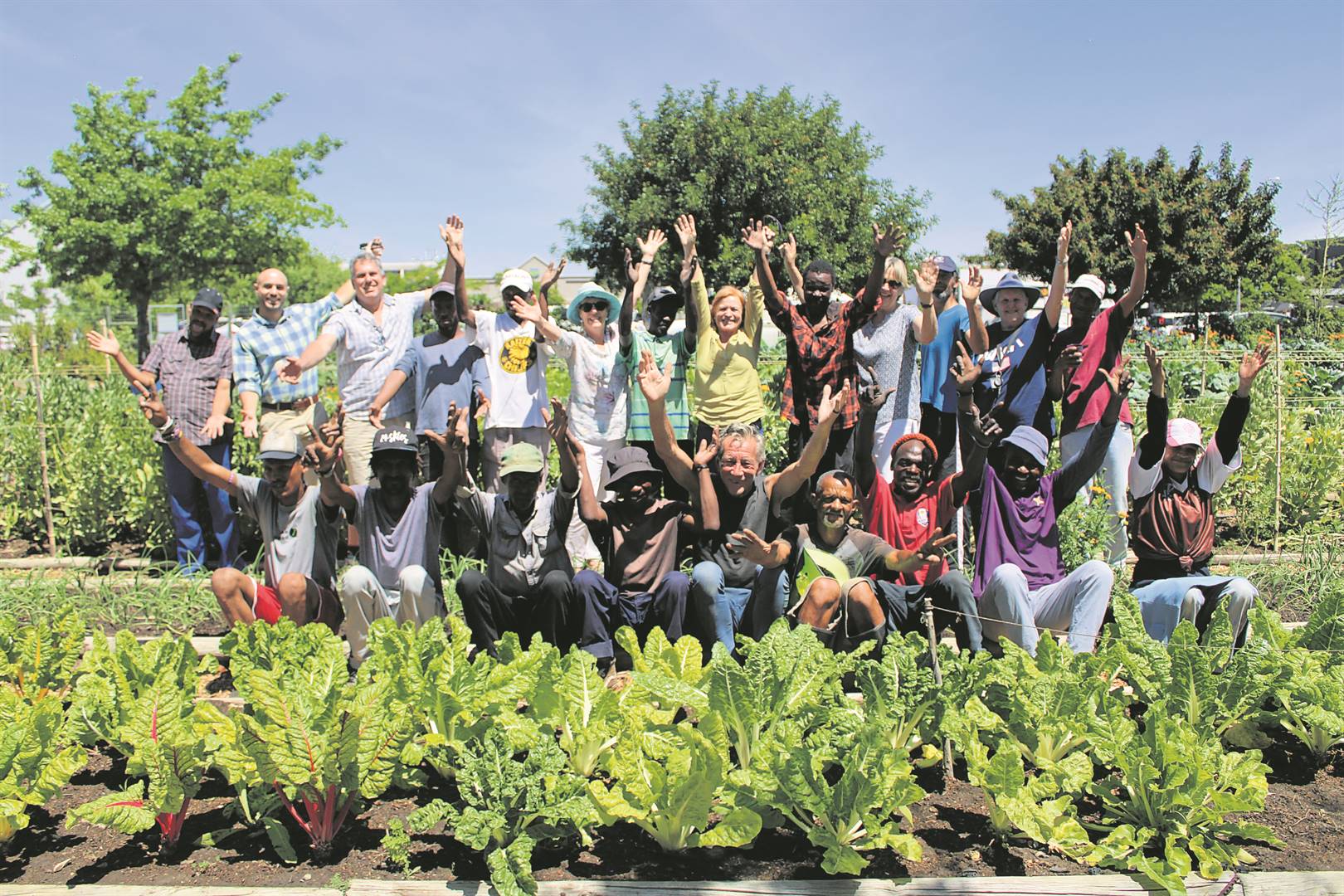


In a world where society’s most vulnerable members are often forgotten, one woman believes the answer lies in the simple act of growing vegetables together.
Jenny Findlay envisions a “two-pronged” legacy that addresses both human compassion and environmental sustainability – caring for overlooked community members while creating green spaces that stem the looming threat of food scarcity.
This dual mission has been the driving force behind the Somerset West Village Community Garden, a thriving hub of community involvement that recently celebrated its 10th anniversary.
According to Findlay, the garden represents more than just a place to grow food; it’s a testament to how caring and community engagement can serve the greater good while building a more sustainable future for generations to come.

Findlay is part of a garden’s founding trio that includes Jenny Douglas and Wendy Carter, who spearheaded this community initiative in partnership with Thomas House of Hope (then known as the Helderberg Street People Centre).
Together, they recruited volunteers who gradually transformed the space into a flourishing garden featuring a diverse array of organic and seasonal vegetables.
The garden’s humble beginnings trace back to 2015, when the team successfully negotiated with the City of Cape Town to transform a derelict park in New Street, known as Barlow Park where the people living on the streets slept and left a mess. Starting with just a few beds and two dedicated volunteers, the project has since blossomed into the thriving community oasis it is today.
Reflecting on her initial motivation, Findlay recalls how her involvement with the Somerset West Neighbourhood Watch opened her eyes to the harsh realities faced by street dwellers. “I was deeply troubled watching people living on the streets digging through bins for food,” she explains.
The turning point came after viewing a BBC documentary about Cuba’s innovative response to international sanctions. “I thought it would be a wonderful concept to bring to South Africa – using open spaces to grow fresh vegetables for the most vulnerable members of our society.”
Findlay’s most cherished memory over the past decade centres on the remarkable way businesses, organisations, and the broader community have rallied around the garden in support.
The most significant transformation she has witnessed speaks to the power of collective action, “watching a derelict park evolve into a verdant urban farm through sheer generosity of spirit and shared purpose”.
Among the garden’s proudest achievements over the 10 years is its resilience in the face of major challenges, successfully weathering both the devastating 2016 drought and the disruptions of the Covid-19 pandemic, proving that community-driven initiatives can thrive even in the most difficult circumstances.
“We have created a beautiful urban farm where people living on the streets can work to earn tokens that can be exchanged at Thomas House of Hope for food, clean clothing, and a hot shower. This initiative aligns with our vision of helping people regain their dignity and transition off the streets. We also host a weekly market, where we sell our produce. Community members can help with picking and bunching the vegetables, and then purchase their weekly supply of fresh organic produce directly from the garden.”
Beyond its agricultural success, the garden boasts something equally valuable: the wonderful friendships and connections that have formed over the years, which have helped the garden flourish. These relationships are reflec-
ted in the garden’s dedicated volunteer base.
The programme currently supports up to 20 people living on the streets daily, while 15 community members regularly volunteer every Tuesday, creating a vibrant network of collaboration and mutual support.

Asked what aspect of volunteering in the garden she finds most fulfilling, Findlay responds: “Seeing how the demeanour of those living on the streets change while working in the garden. Some of them come to us with very little energy and will to work. Over time they get stronger and gain a sense of purpose.”
Findlay further extended the following message to their avid helping hands: “Thank you to all our volunteers who willingly donate their time to support our cause; you are the heartbeat of the garden and we value your support.”
Looking toward the future, the garden faces both opportunities and aspirations for growth. Currently, the team needs more space to expand their capacity for growing organic vegetables, with hopes that the neighbouring Lion’s Club will allow them to extend into their adjacent area.
To commemorate thr 10-year milestone, Findlay envisions planting a few more lemon trees – a fitting symbol of growth that will bear fruit for years to come. As Somerset West continues to develop, she sees the garden evolving beyond its current scope by incorporating a structured vegetable-growing course, which would further upskill the volunteer gardeners and ensure the project’s knowledge and techniques are passed on to future generations.

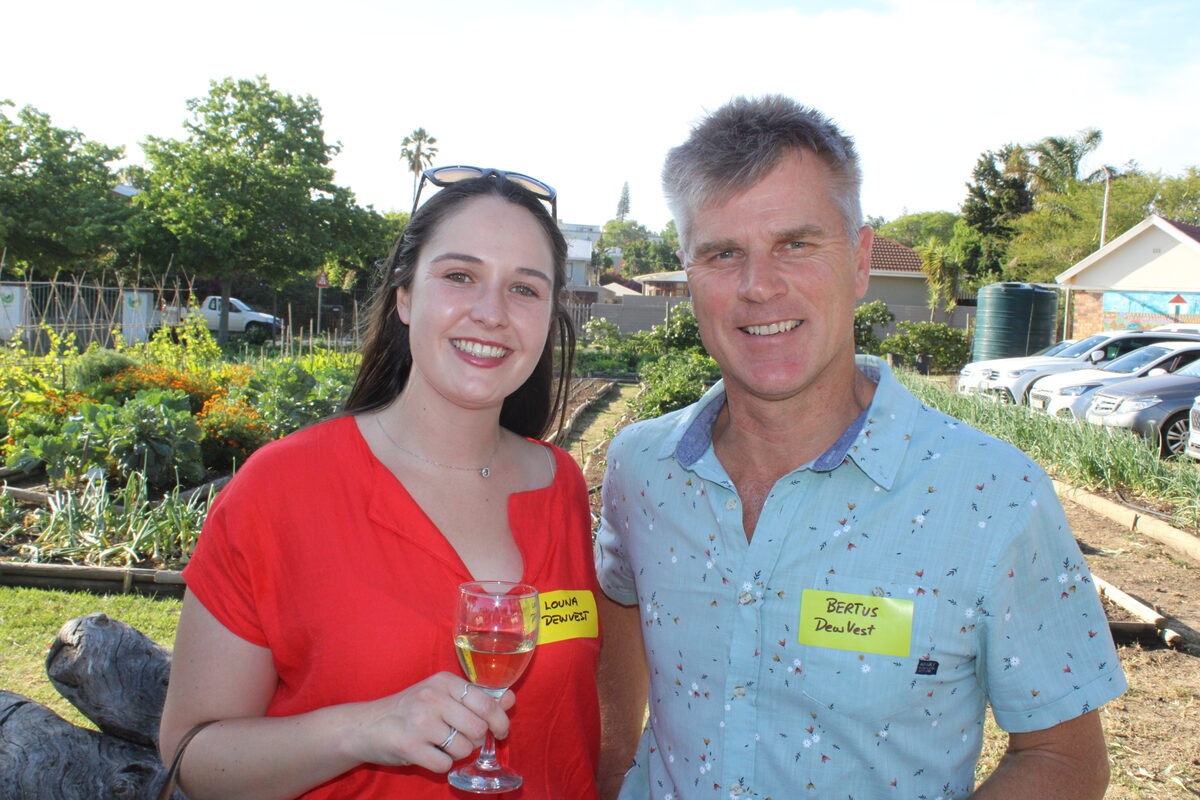
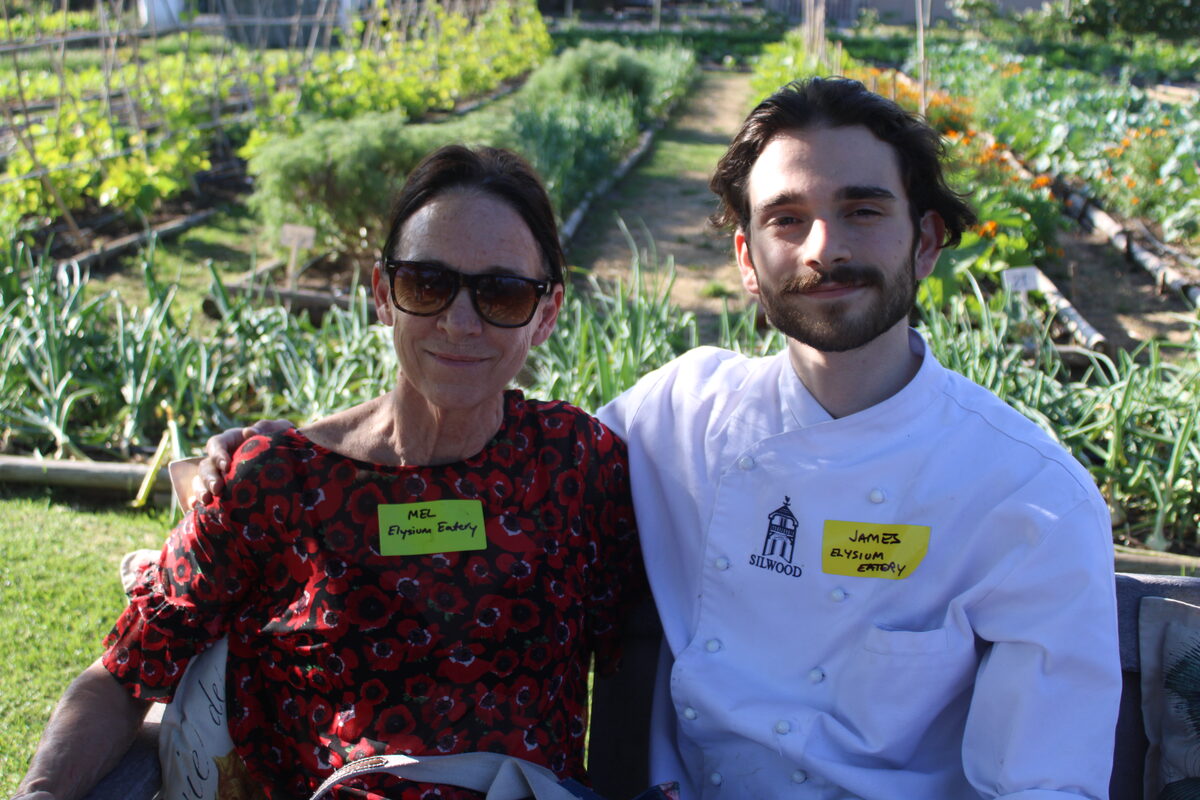
The Somerset Village Garden celebrated its 10th year in operation with a braai for all sponsors and community supporters on Friday 7 November.
The celebration was preceded by a spitbraai for volunteer gardeners and committee members on Friday 31 October.