

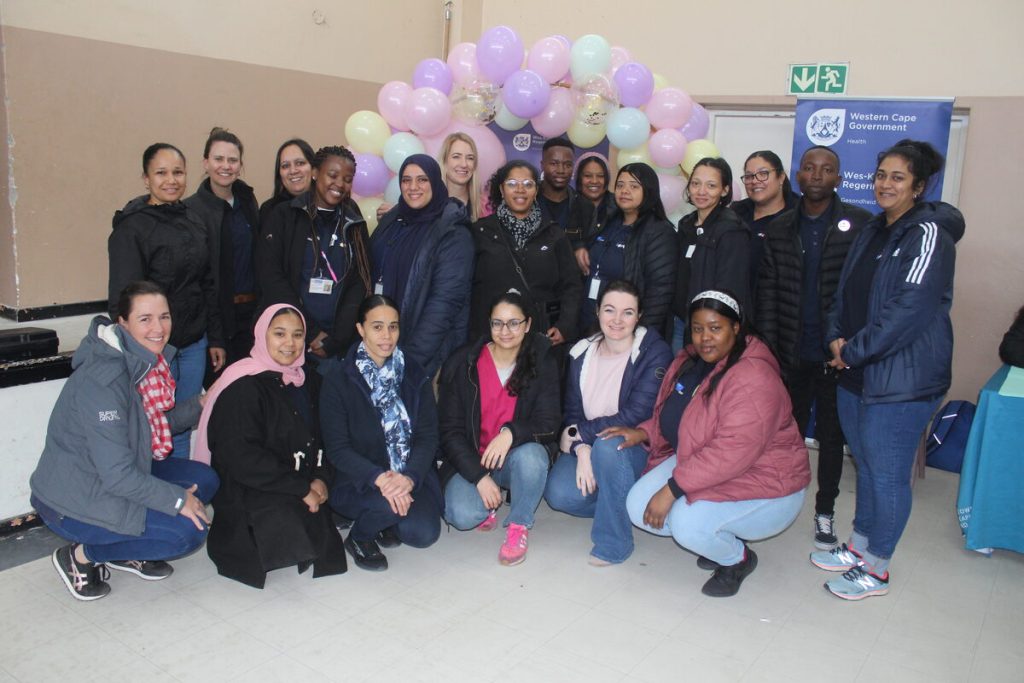
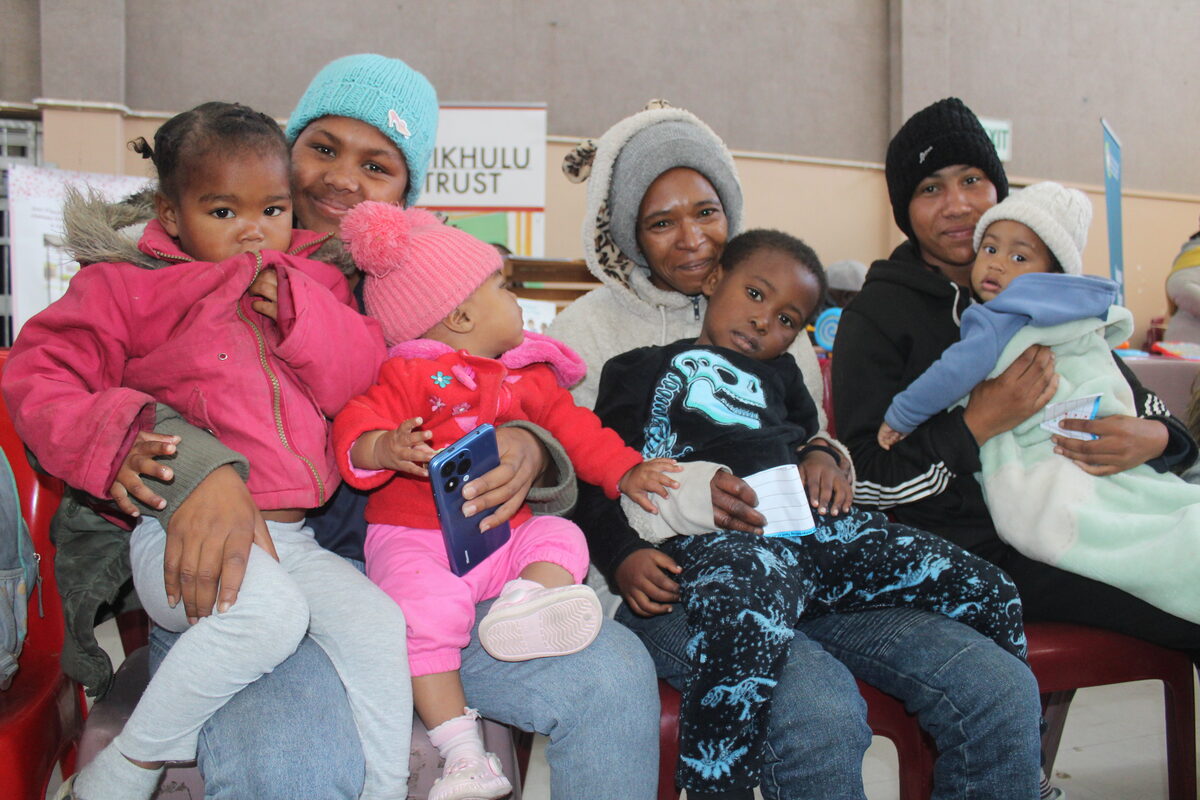
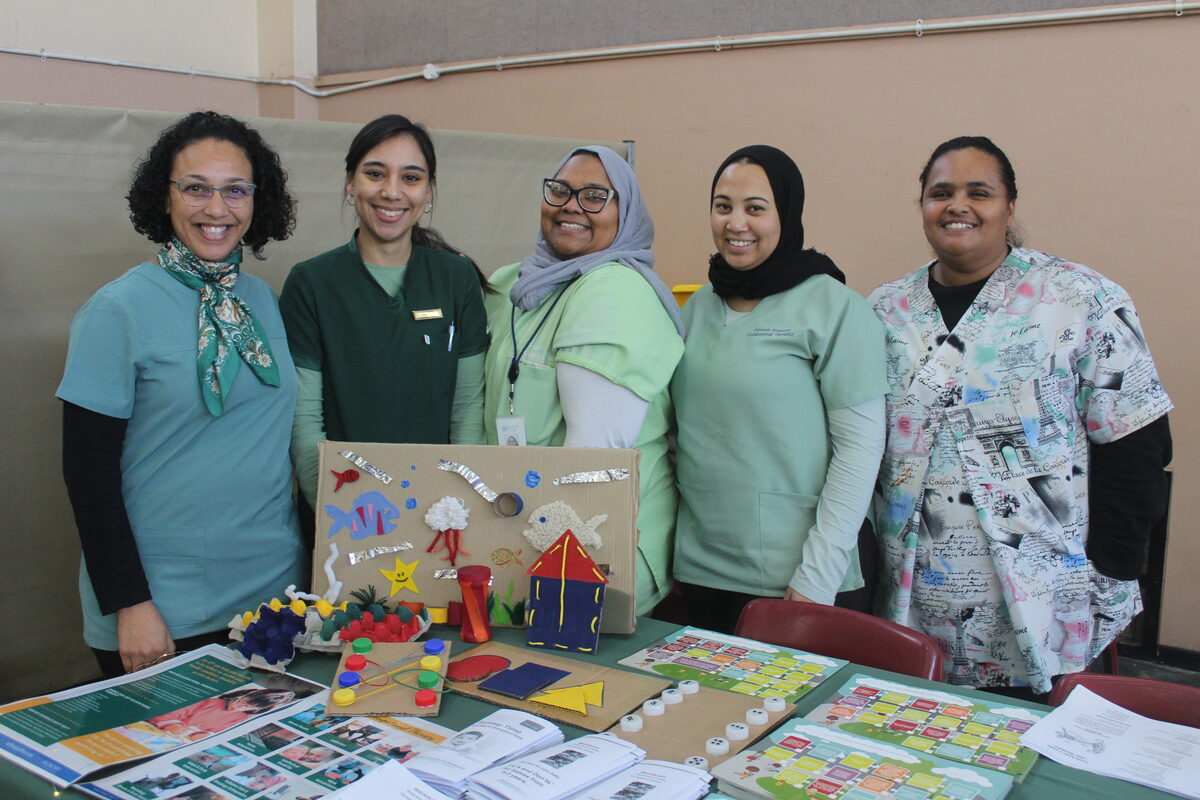
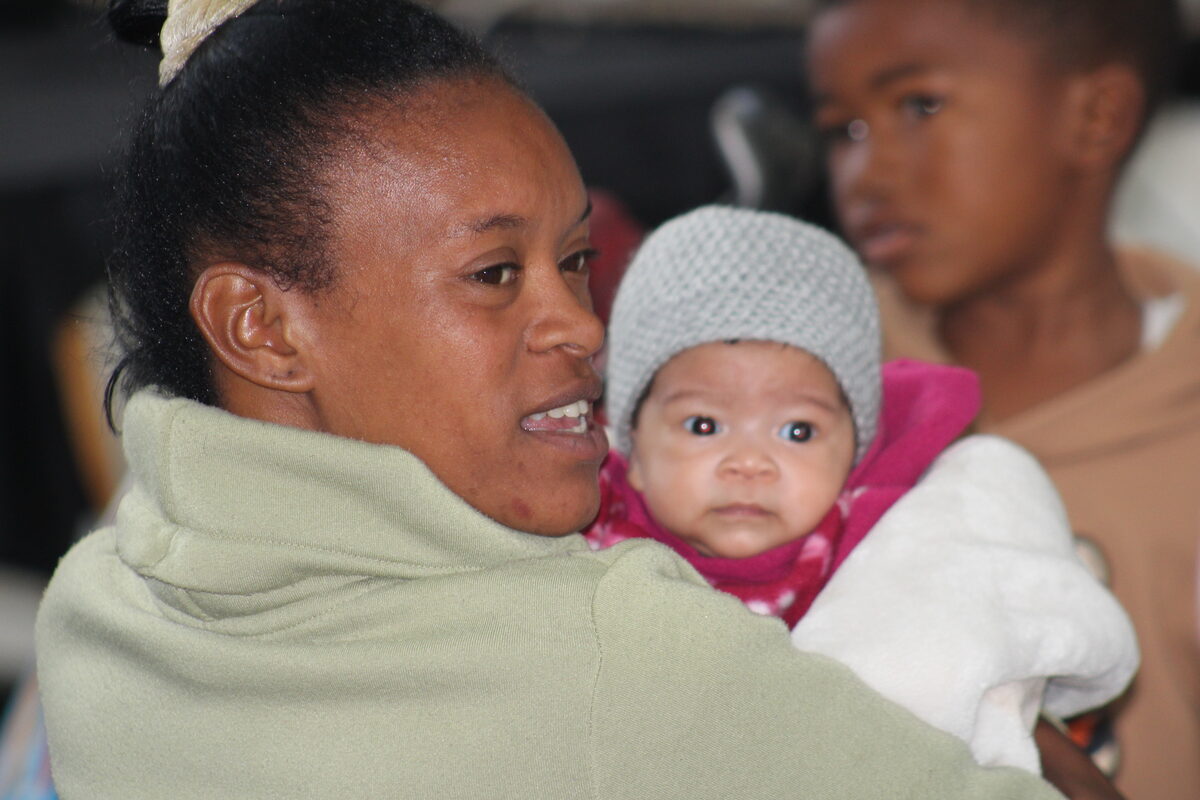
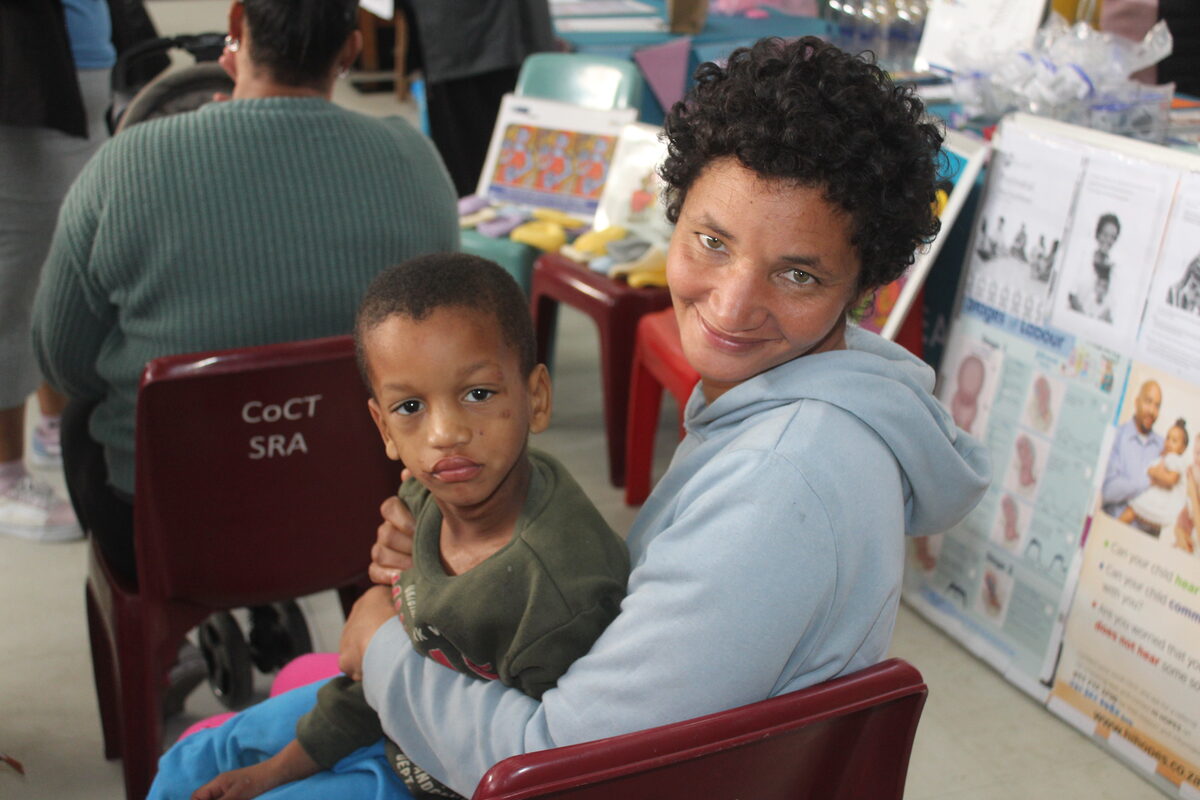
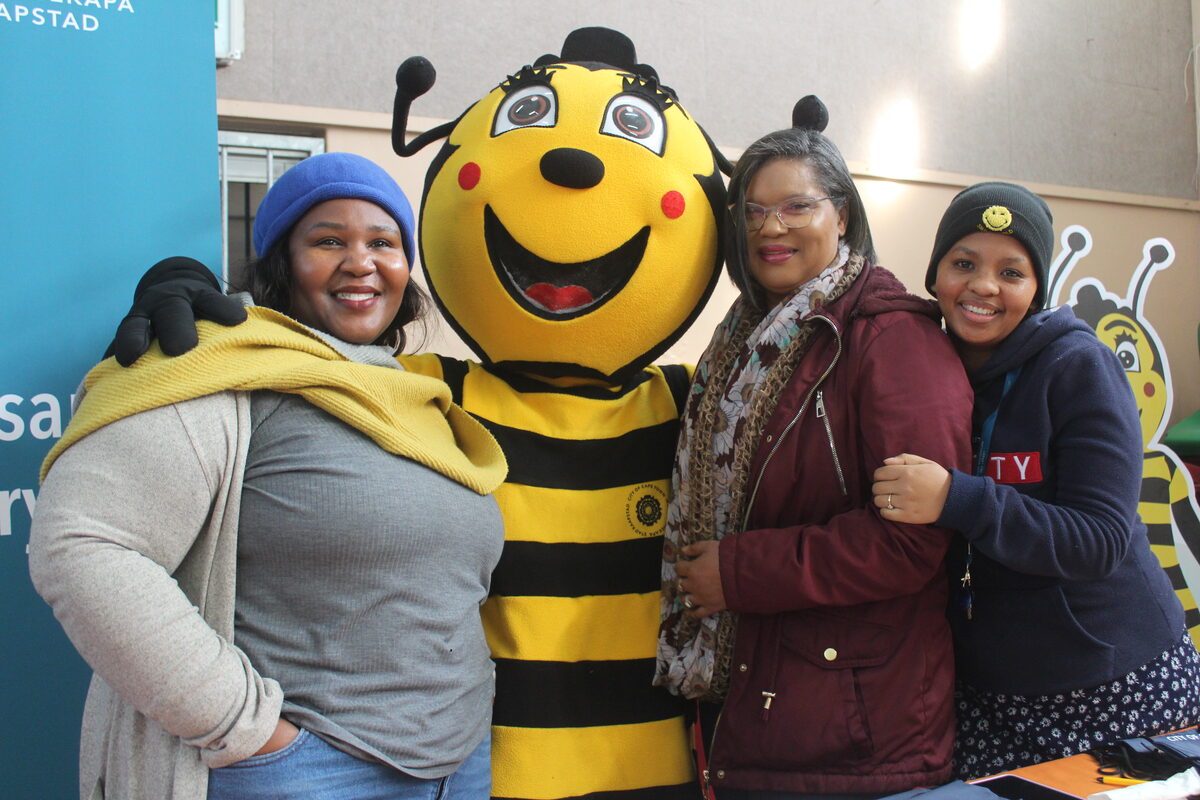
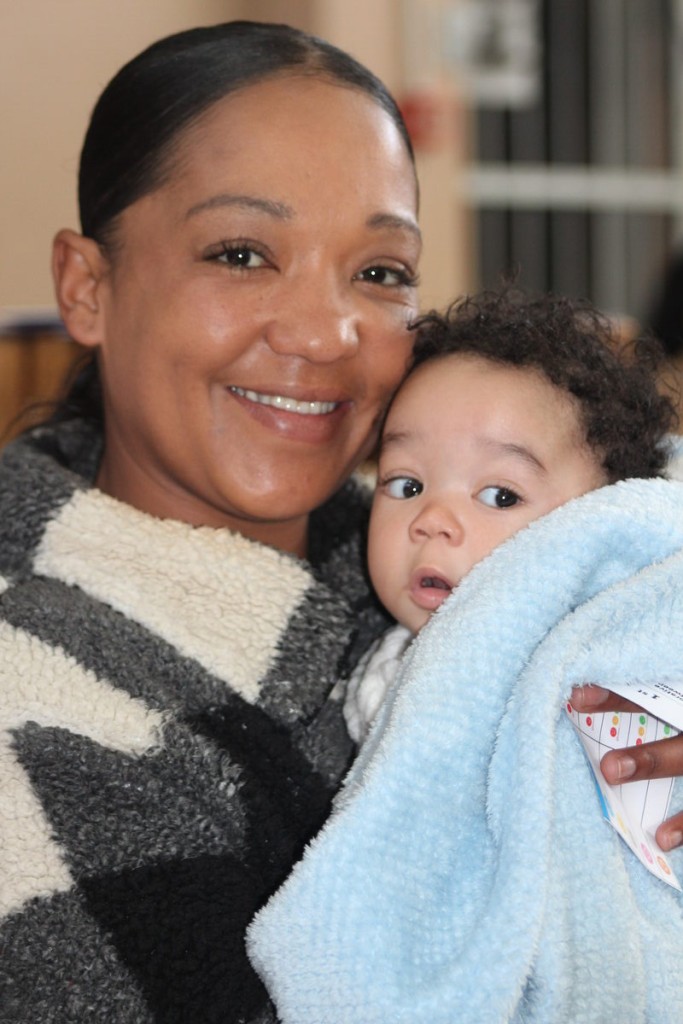
The New Macassar Civic Centre buzzed with activity last Thursday as expectant and new mothers gathered for essential well-being services, celebrating “breast is best” to culminate Breastfeeding Awareness Week (Friday 1 to Thursday 7 August).
Marike Coetzee, dietician at Helderberg Hospital, said the goal was to promote breastfeeding during the critical first 1 000 days of a baby’s life, spanning conception through the child’s second birthday when the most crucial brain development, growth and stimulation occur.
During the first six months babies need breast milk only for complete nutrition and hydration. This remarkable substance provides colostrum (the first milk rich in nutrients and antibodies), fore-milk (which quenches thirst), hind milk (providing fat and energy) and natural antibodies that formula cannot replicate. This breastfeeding foundation sets children on a path towards future success.
“We recognise that breastfeeding can be challenging, and we want mothers to know that extensive support is available. As the saying goes, ‘it takes a village to raise a child’, and we’re proudly part of that village. We’re here to help mothers overcome any breastfeeding struggles they may encounter.”
Foundations and fundamentals
“Whatever the mother eats the baby receives through breastfeeding,” Coetzee emphasised, urging mothers facing food insecurity to seek support.
“Pregnancy challenges like morning sickness can significantly impact both maternal nutrition and the baby’s development, creating long-term health issues. Proper nutritional support during pregnancy is essential for better outcomes.”
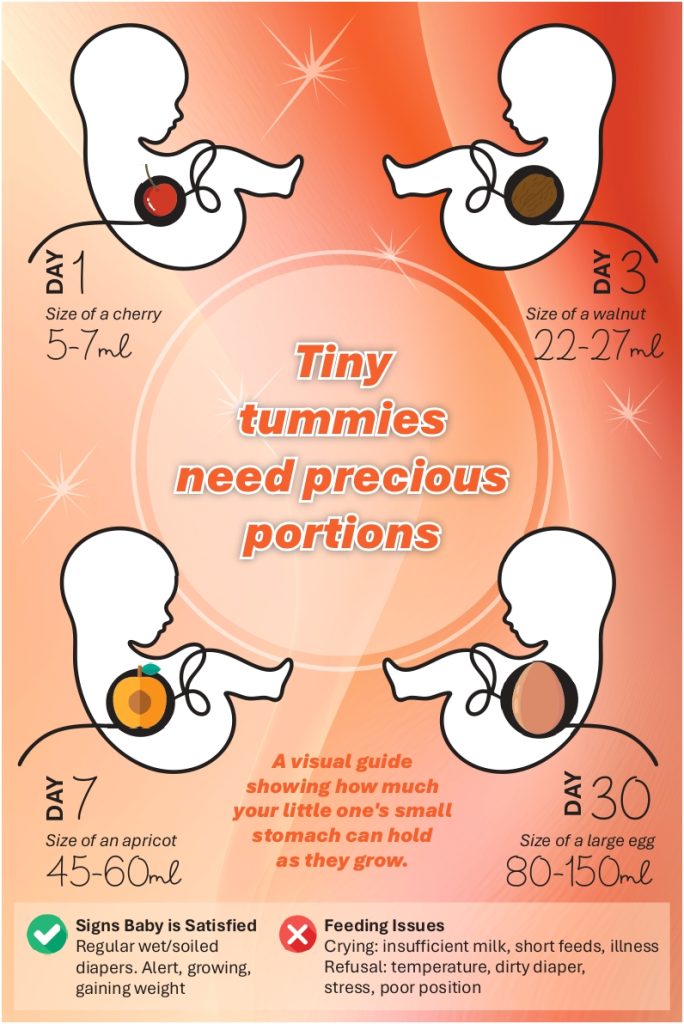
For breastfeeding mothers she stressed frequent hydration and feeding on demand. “Don’t wait for crying; that’s a late hunger cue. Watch for early signs; when babies become alert move their hands towards their face, make sucking motions or begin rooting. Responding to these early cues makes feeding more successful and less stressful.”

Sister Evelyn Montjies, operational manager of the Macassar Community Day Centre’s Maternity Ward, emphasised personal responsibility: “Taking ownership of your pregnancy is essential; without it we can’t achieve the goal of a healthy baby and confident, loving mother.”
She also completing her student training at the facility. expressed concern about local mothers seeking care elsewhere. “From our entire catchment area only five local mothers delivered in our facility recently. As a community we need to come together to support our mothers and babies.”
Irreplaceable resource
Stephanie Dippenaar, clinical manager for Milk Matters, said: “There is nothing in the world that can replace breastmilk. This understanding drives our commitment to ensuring all babies have access to this irreplaceable resource.”
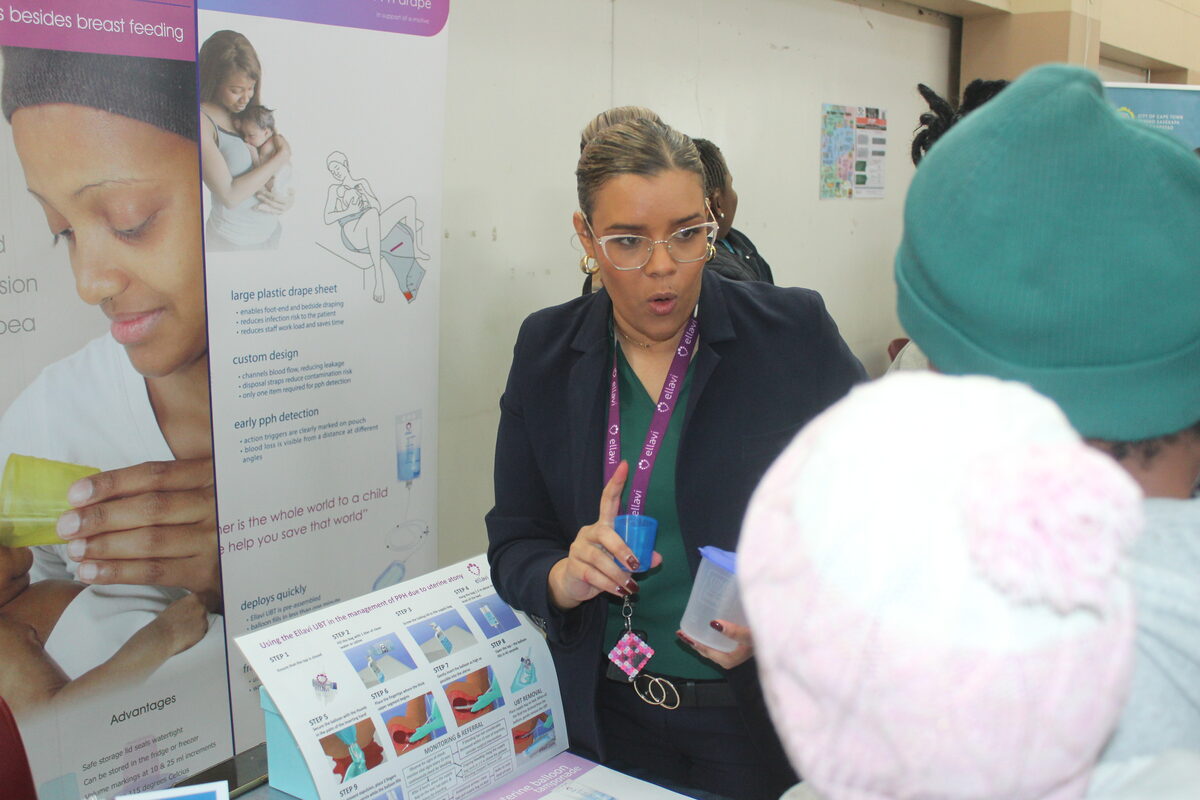
When mothers cannot produce sufficient milk, the community breast-milk bank provides vital support. “When mothers cannot provide their own milk, we can help bridge that gap through donated breast milk. Our work extends beyond simply collecting and distributing milk; we provide comprehensive support to new mothers.”
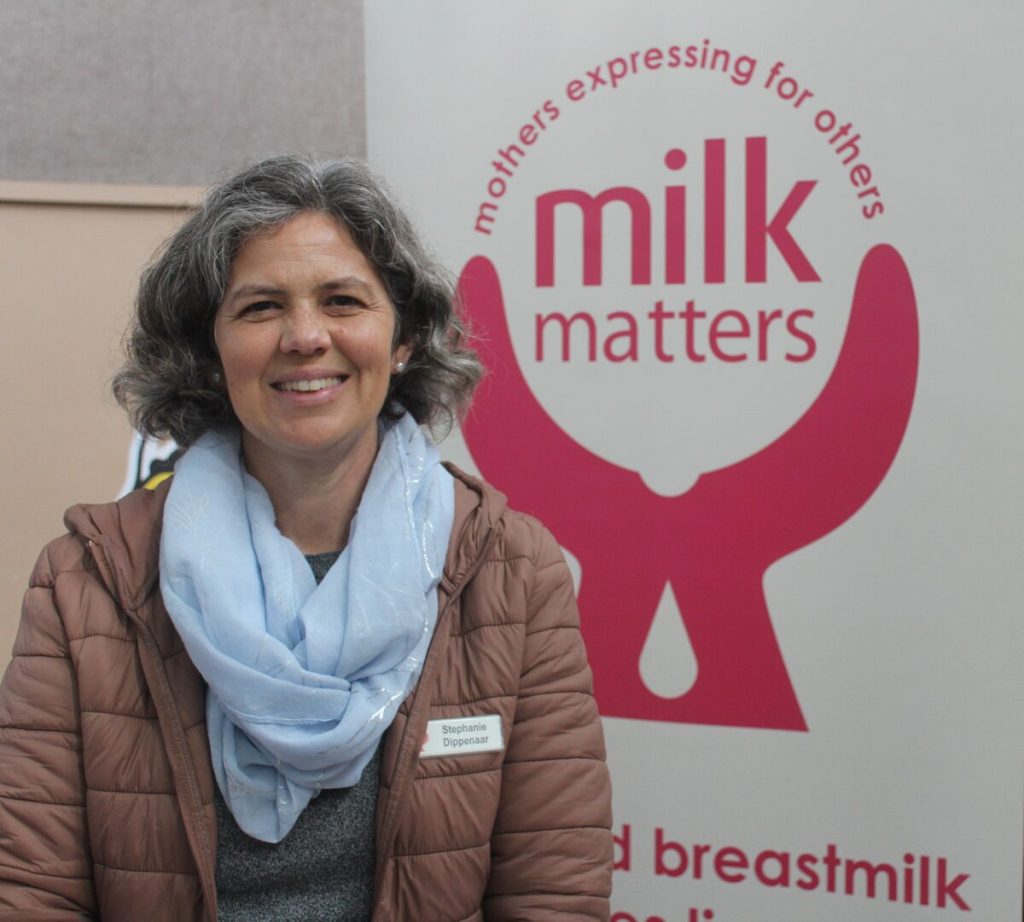
Recently recognised with the prestigious Lord Godachi Award, Dippenaar called on community involvement: “Together we can ensure every baby, regardless of circumstances, receives the nutritional foundation they deserve. By addressing this fundamental need we’re investing in healthier communities for generations to come.”
While several factors can make breastfeeding challenging – including lack of support, inadequate knowledge, delays in starting immediately after birth, mother-baby separation, choosing formula alternatives and lifestyle factors such as smoking and alcohol consumption – mothers can take comfort in knowing that success is achievable.
Statistics reveal that only 1% of mothers are unable to produce milk, with virtually all capable of producing enough breastmilk for one or even two babies when proper latching and frequent feeding is established.
Mothers are urged to prioritise support and nutrition, and practice patience and self-compassion throughout the breastfeeding journey. Breastfeeding is said to be a skill that both mother and infant learn together, and when difficulties arise it’s important to pause, breathe deeply, and try again.



You must be logged in to post a comment.