
Citizen science is helping build a clearer picture of waste and water quality challenges in Grabouw – and bringing the community together to find solutions.
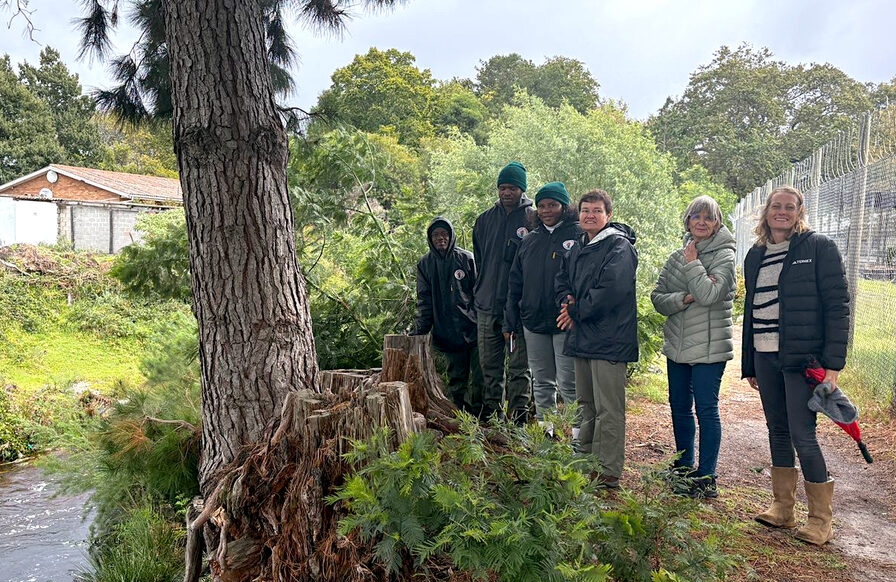
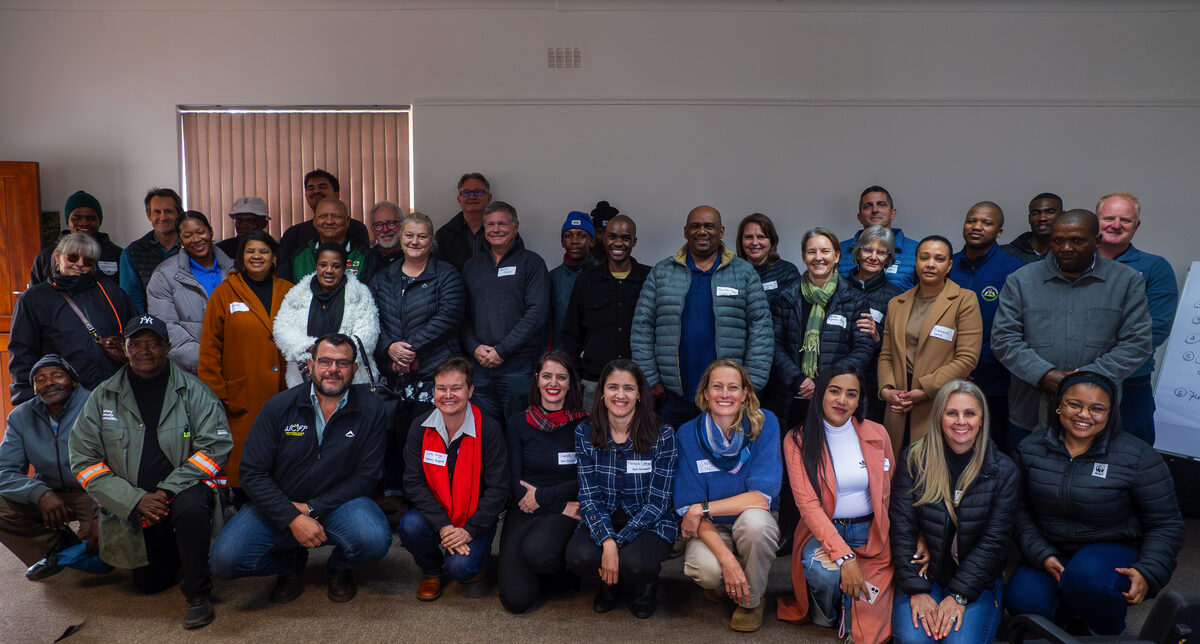
Around 50 people representing communities, businesses, landowners, government and environmental organisations gathered at Fruitways recently to find practical ways to address growing waste and water pollution affecting the town and its rivers.
Hosted by the Kogelberg Biosphere, the event brought together ward councillors, the Grabouw Development Agency, Overberg District Municipality, national officials, local businesses, landowners and environmental NGOs.
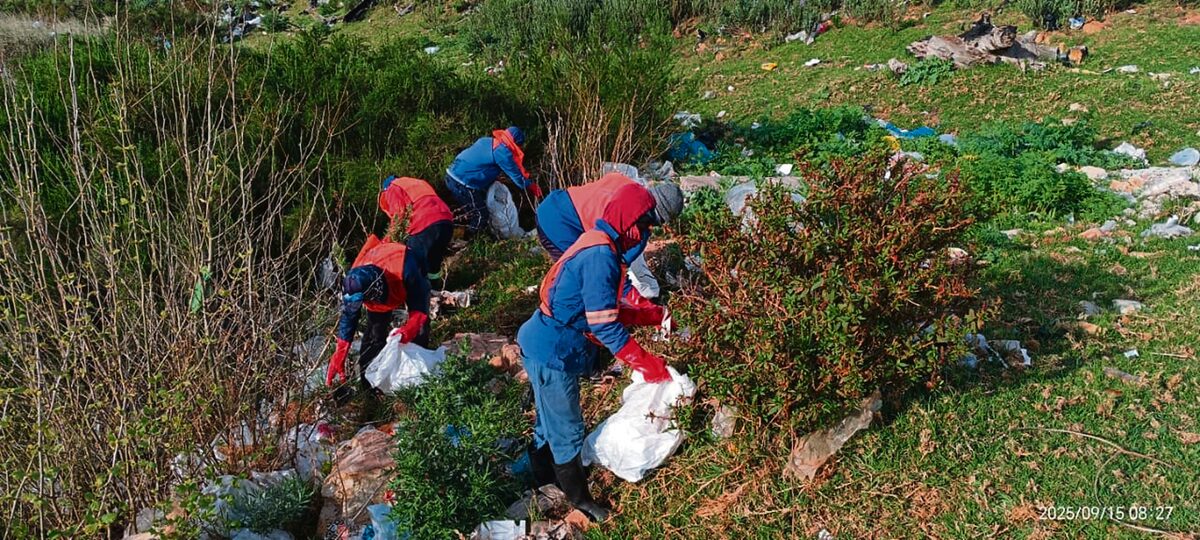
The discussion was informed by the UNESCO-supported Grabouw River Guardians citizen science project. Citizen scientists have mapped 59 illegal dumpsites covering 6 429 m², with sanitary waste recorded at all but one site. Monitoring of the Klipdrift River, Industrial Road Stream and Palmiet River has logged 8 469 litter items across 12 surveys, with 146,9 kg of waste removed.
Water quality and river health are also under investigation, with citizen scientists trained in SASS5, the South African Scoring System, which uses aquatic macroinvertebrates to assess river health.
Freshwater Research Centre researcher Shelly Fuller said the first assessments show notable differences between sites. “Upstream sections of the Klipdrift River show a diversity of aquatic life, while further downstream, near the Klipdrift bridge, the picture changes significantly,” she said.
New fungus
During monitoring in July, the team discovered an extensive fungal biomass in the Klipdrift River where little other visible aquatic life was present. The white, cotton-wool-like growth resembles fungal growth associated with polluted rivers, but its appearance is distinctly different. “Of the seven microbiologists who looked at the algal growth, no-one has seen it before,” said Fuller.
Laboratory results are still awaited. “We need to understand what this is to prevent it from happening again, and understand the pressures our rivers are under to come up with solutions,” she added.
Monthly river health assessments and quarterly laboratory water testing will continue, building a longer-term picture of the catchment.
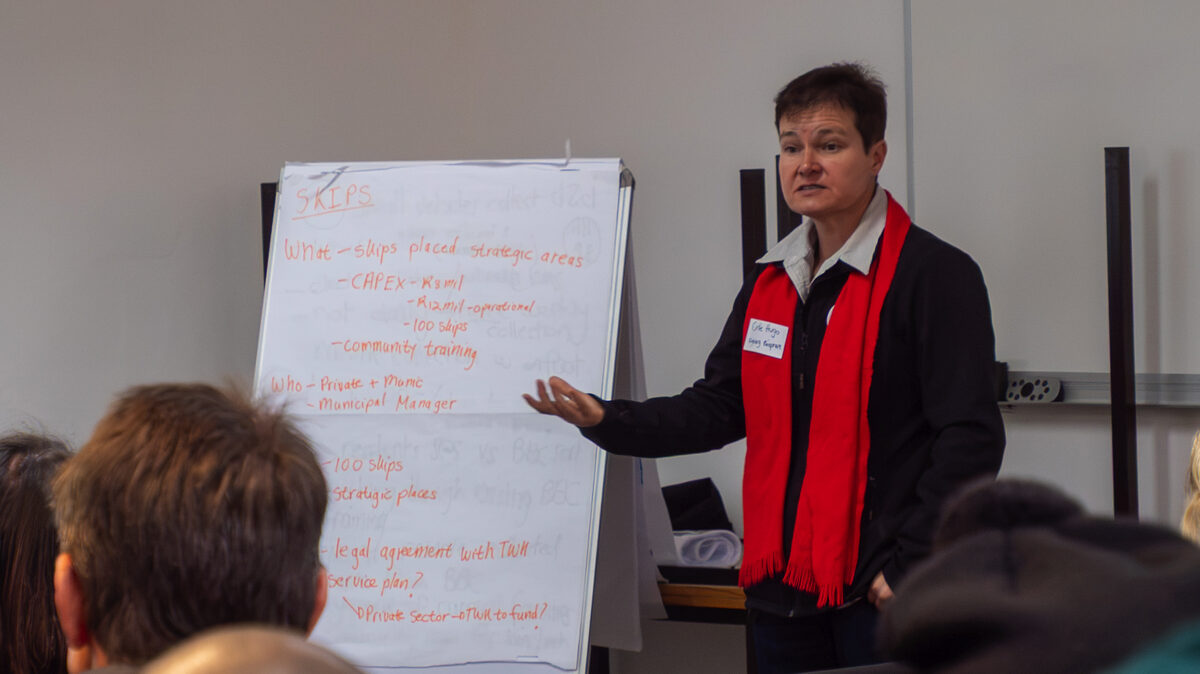
Workshop participants explored practical solutions, including improved waste collection points, strategically placed skips, recycling and buy-back centres, and livelihood opportunities through waste.
Environmental education and better waste-service planning were also highlighted.
Dumping
Local tour guide Ayanda Witbooi said the impacts are already visible – open spaces where children once played now affected by dumping and people travelling further for clean water. “I am not pointing fingers, but we must raise awareness to bring change to our community,” he said.
Francois Kotze, head of environmental manager at Overberg District Municipality, stressed the importance of planning ahead. With thousands of new residential plots planned, development must account for municipal capacity.
“We need a way forward to suit municipality resources and financial ability. If not, you are chasing your tail,” he said.
Facilitator Charlotte Nell of Aquila Environmental said the next step is strengthening collaborative governance for healthier rivers.
Discussions will be documented and shared with relevant authorities.
Kogelberg Biosphere CEO Corlie Hugo said: “This workshop is a great start – a place for all stakeholders to discuss possible solutions. But this is only the start. We now have the right people involved and buy-in almost across the board, which we hope will kickstart serious action.”