
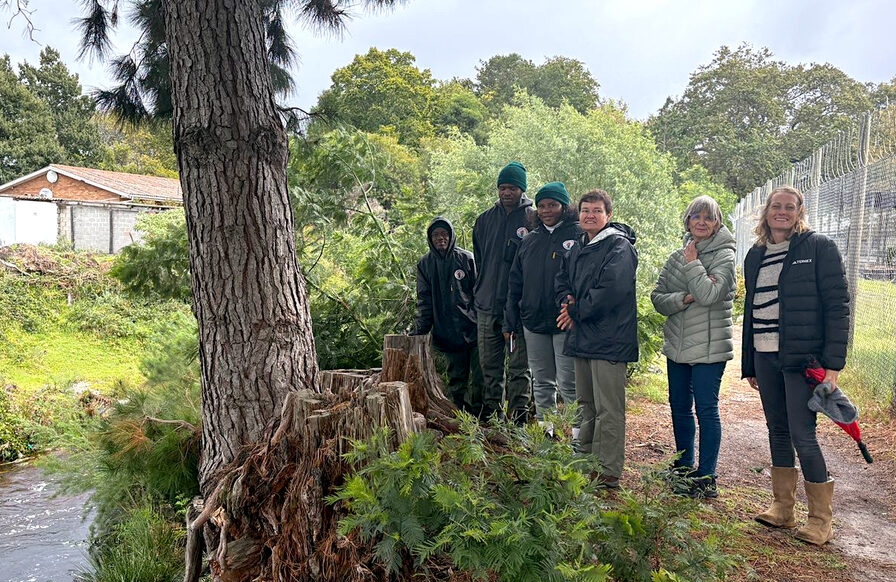
The Kogelberg Biosphere is teaming up with various stakeholders to launch a Unesco-supported citizen science project in Grabouw.
Solid waste pollution is more than an eyesore. Once waste enters rivers and streams, it affects water quality, ecosystems and the communities that depend on these waterways. In Grabouw, river pollution has become a growing concern. But until now there has been little information available to understand the scale of the problem or identify where interventions are most needed.
To address this challenge, the Kogelberg Biosphere, together with a range of partners and stakeholders, has launched the project focused on illegal dumping, river pollution and water quality.
The project aims to establish the first evidence-based baseline of riverine pollution in Grabouw. It seeks to improve water quality, reduce illegal dumping and empower locals to become active stewards of their environment by combining scientific monitoring with community participation.
At the heart of the project are citizen scientists from the community, working under the guidance of project coordinator Nomfusi Msitho. Together, they are collecting information that will help identify pollution hotspots, assess river health and guide future interventions.
IMPACT ON RIVERS
Using a combination of dumpsite mapping, litter surveys and water-quality monitoring, the team is building a clearer picture of how waste moves through the landscape and impacts local rivers.
River health is assessed using the South African Scoring System (SASS5), which measures the presence and diversity of aquatic insects and other small organisms that are sensitive to pollution.
Although in its early stages, the project’s findings are already concerning.
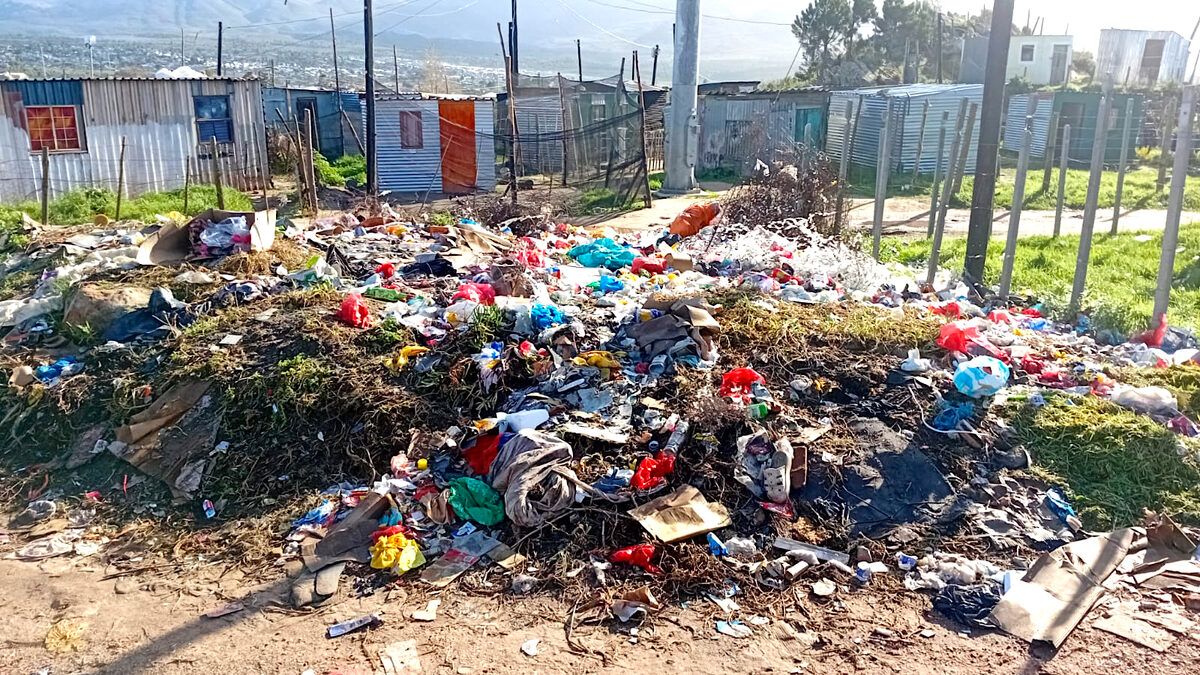
In the first month, citizen scientists identified 13 illegal dumpsites in Grabouw, ranging in size from 12 m² to 391 m². The most common waste types were sanitary waste, particularly nappies, together with construction rubble and food waste.
At three river monitoring sites, the team collected and counted nearly 5 000 litter items weighing a combined 65 kg. Polystyrene fragments, sweet and chip wrappers, and plastic bags were among the most common items recorded.
CHALLENGES
The project also documented 236 pieces of litter actively moving downstream during 10 observation sessions. These surveys revealed a clear trend: rainfall events result in significant increases in the amount of waste entering and moving through river systems.
One of the most important lessons emerging is the close connection between waste management and water quality. The prevalence of sanitary waste, in particular, points to broader waste management challenges that ultimately affect river health and the communities that rely on these water resources.
The information collected will now help guide the next phase of the project, which includes community clean-ups, engagement with the agricultural sector and collaboration with municipalities and other stakeholders to develop practical solutions.
Most importantly, the project is establishing a foundation for long-term action. It’s combining local knowledge with scientific monitoring to help bring about cleaner and healthier rivers in and around Grabouw.

You must be logged in to post a comment.