


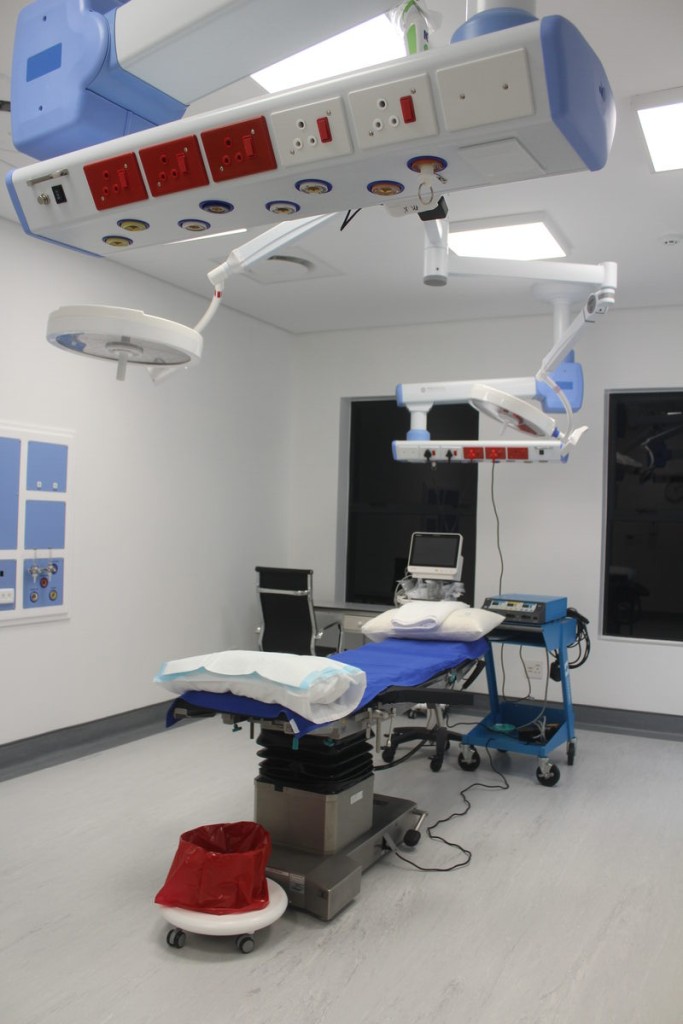
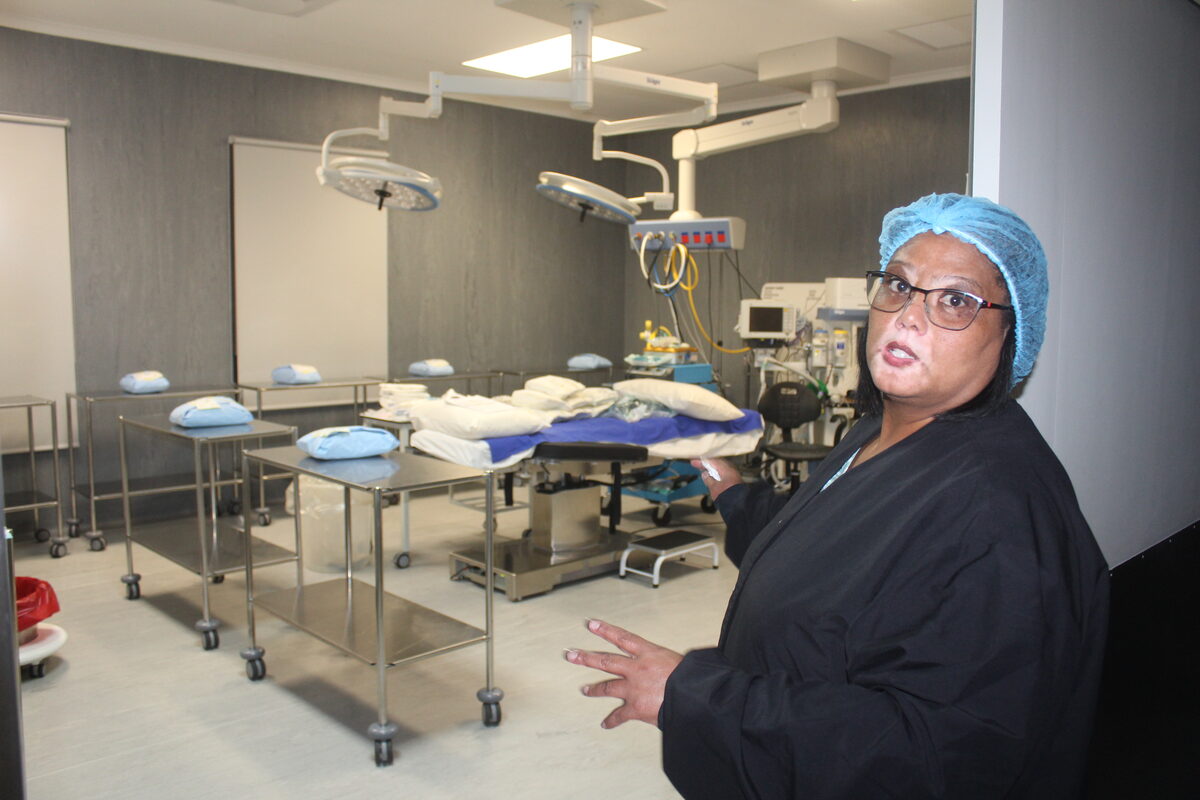
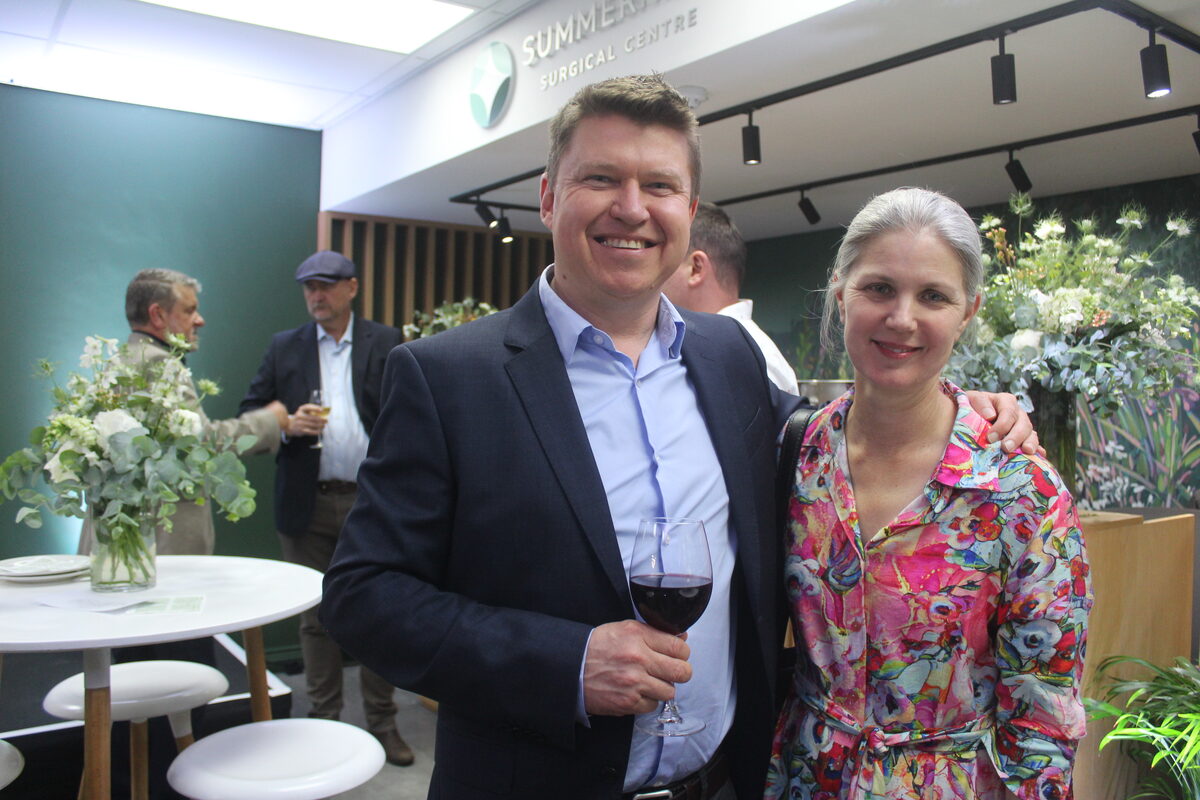
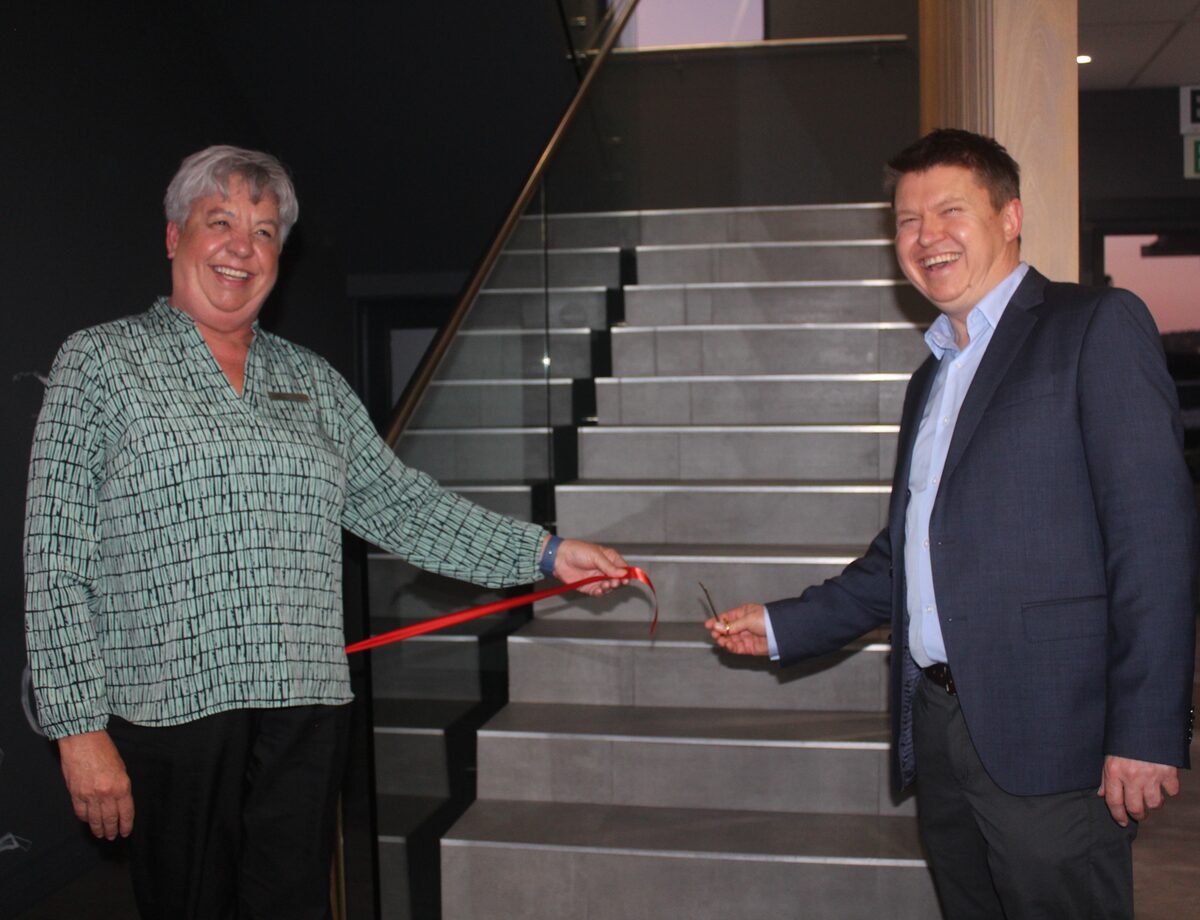
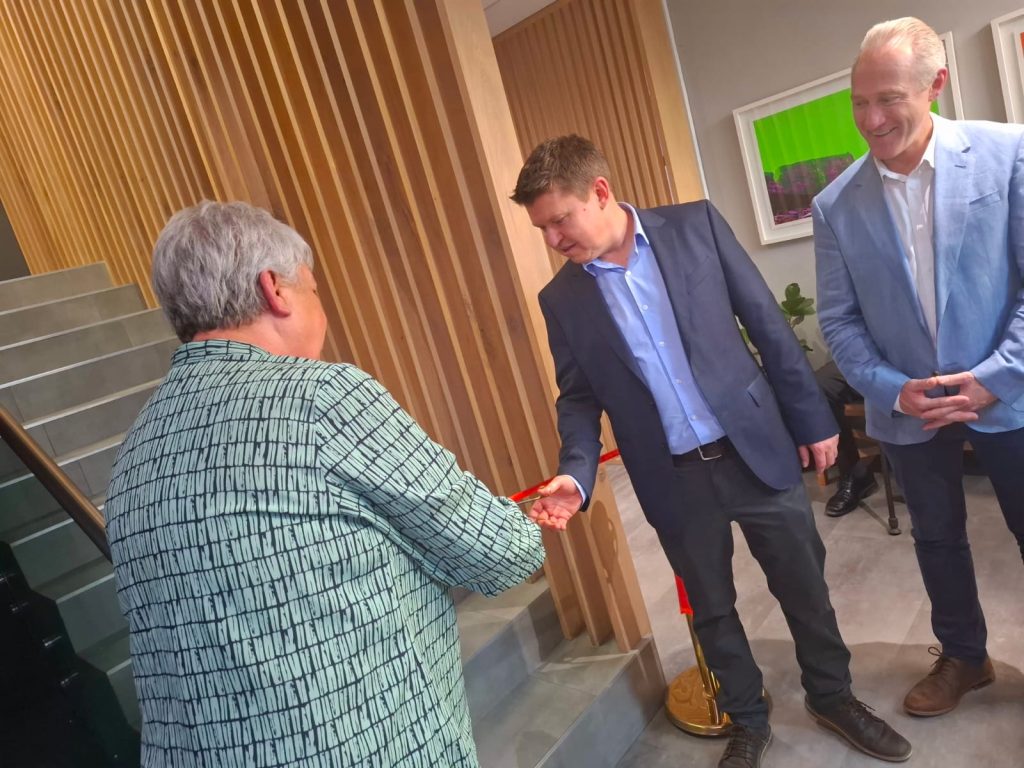
Summerhill Surgical Centre in Somerset West has marked a major milestone in regional healthcare excellence with the official unveiling of its new Procedure Room and Mohs Laboratory on Tuesday 18 November.
Hospital manager Ina Hartley told the gathering the state-of-the-art addition signalled “a new era of medical innovation, clinical precision and patient-centred care” for the pioneering day-hospital facility located behind Vergelegen Plein Shopping Centre.
The milestone crowns a remarkable ten-year journey, which began between 2014 and 2016. Bibi Goss-Ross celebrated how what was once “just a road and dam” had evolved into a thriving medical hub and benchmark facility.
This truly is a next-level day hospital,” she said, emphasising the extraordinary transformation that has positioned the facility as a nationally recognised model that other healthcare providers aspire to emulate.
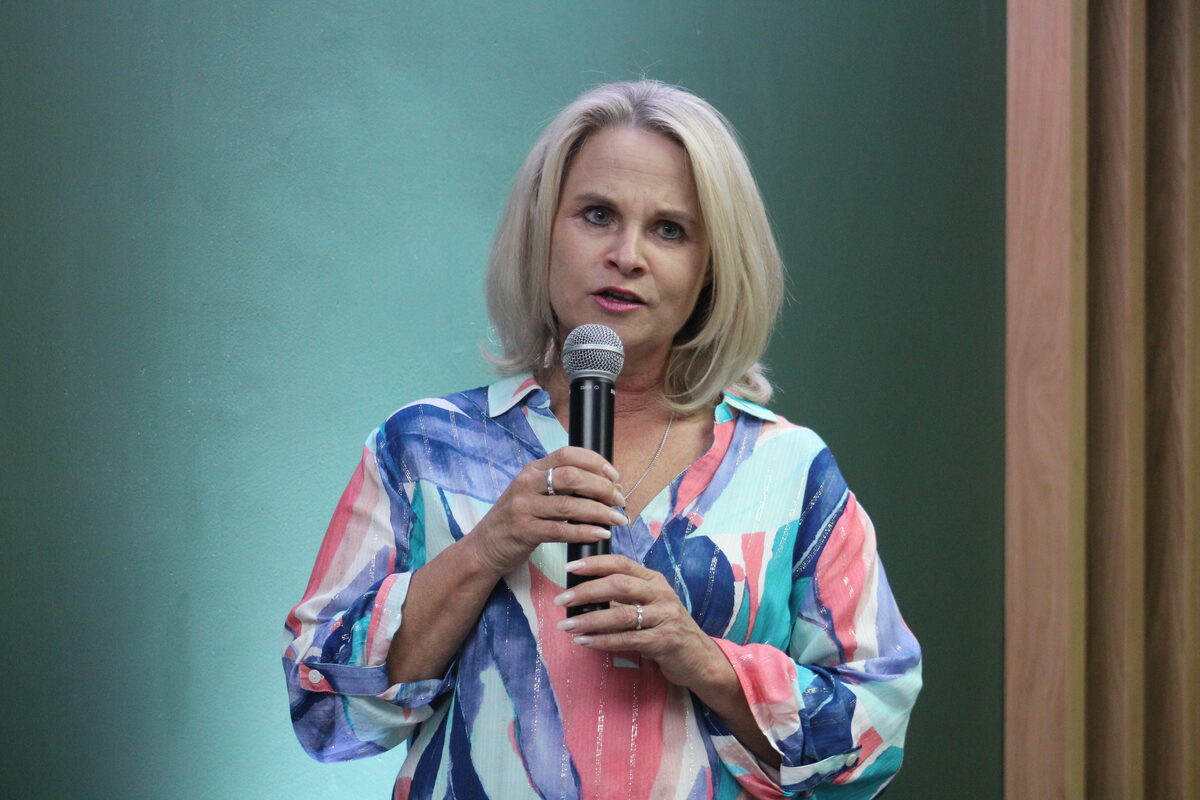
The centre has achieved significant recognition as part of the Day Hospital Association South Africa. “I want to show this hospital to everyone because this is the standard it should be,” Goss-Ross noted.
Further demonstrating its industry leadership, the facility is the first in the country to pursue ISO 7101 accreditation. The audit is scheduled for March 2026. Dr Johann de Wet, the dermatologist and Mohs micrographic surgeon who established the facility’s Skin Cancer Centre of Excellence, explained that the evening marked a delayed grand opening as a result of the Covid-19 pandemic.
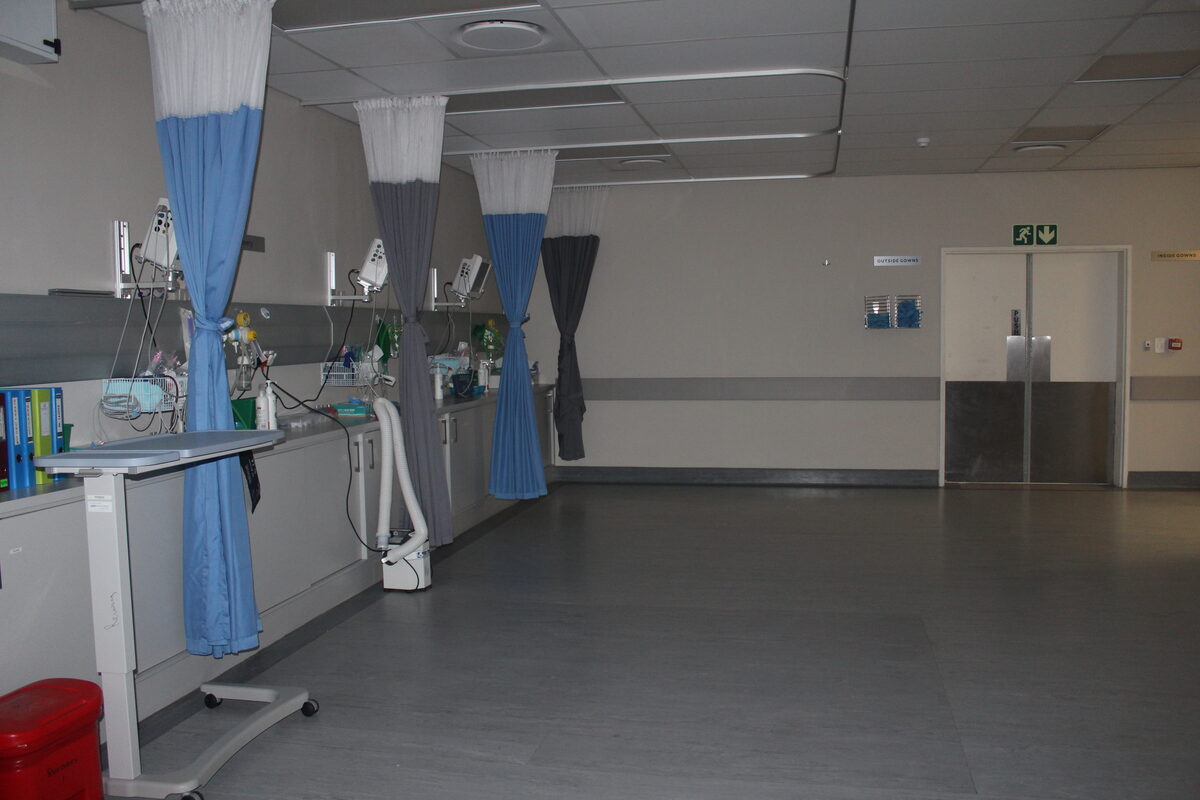
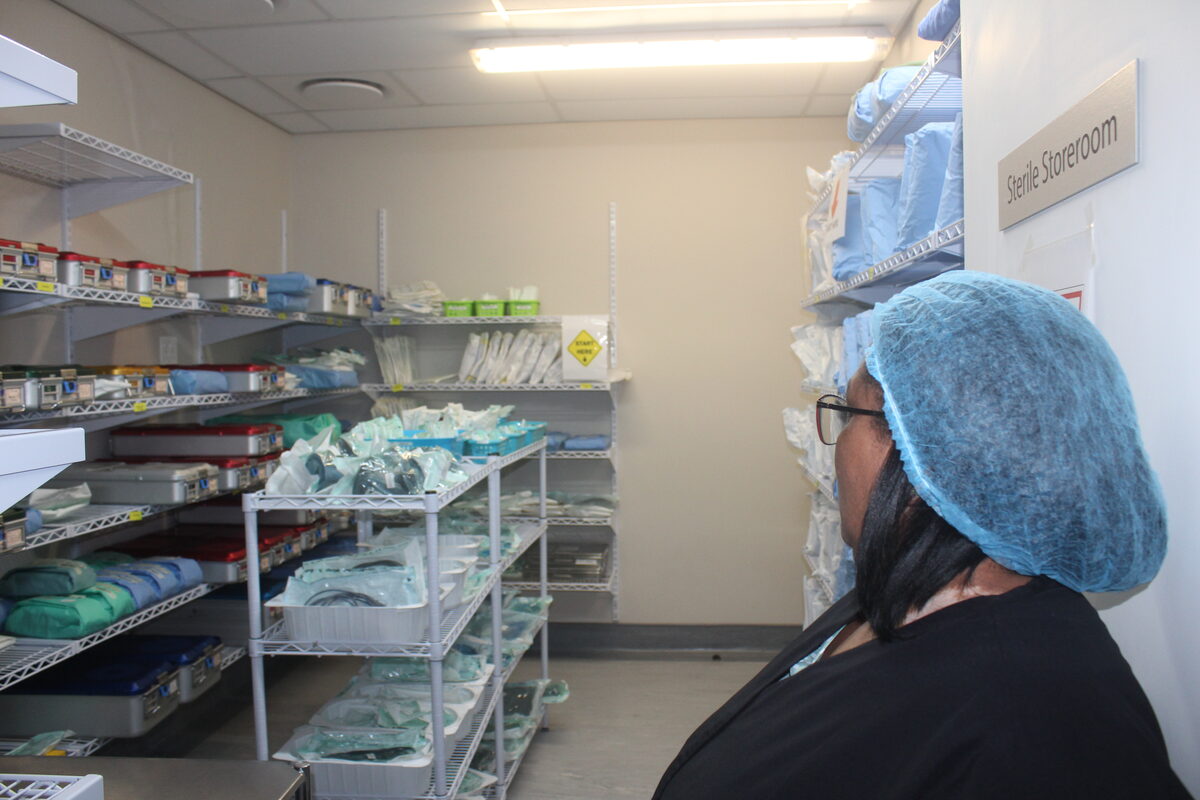
The facility had undergone extensive renovations across all levels, culminating in the specialised additions.
Surgery at day hospitals
“The Summerhill Surgical Centre was born from a simple but powerful idea; establishing a state-of-the-art, doctor-owned, doctor-driven but most importantly patient-focused and -centred day hospital,” De Wet pointed out, emphasising that local Somerset West doctors had united around a shared vision.
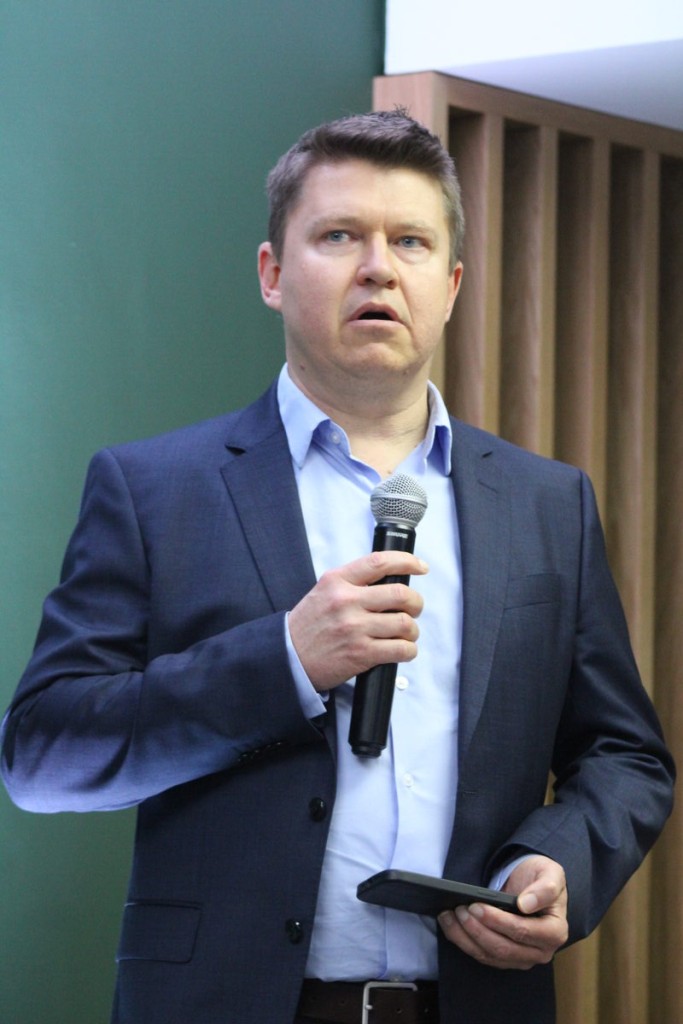
He said the facility was established to address one glaringly paradoxical healthcare situation in South Africa; being “a country with one of the highest incidences of skin cancer globally, yet with limited access to guideline- and evidence-based recommended treatments such as Mohs surgery.”
Since the first Mohs procedure was performed on 9 October 2020, the centre has treated 7 000 skin cancers through multidisciplinary collaboration involving reconstructive surgeons, oculoplastic surgeons, head and neck surgeons, urologists and oncologists.
De Wet emphasised the facility’s international calibre: “The way we treat patients with their skin cancer here is the same treatment they would receive at leading centres such as the Mayo Clinic in Minnesota or MD Anderson Cancer Centre in Texas.”
According to the medical expert, this excellence contributes to the global shift towards day surgery, where 65 to 70% of US procedures are now performed in day hospitals, compared with South Africa’s historical rate of 20–40%.. However, this gap is rapidly closing as clinicians and funders recognise the superior outcomes, satisfaction and cost benefits.
“I would like to believe we built more than just a building and a hospital, but a culture, one centred entirely around patient experience, safety, efficiency and teamwork excellence.”
Strategic partner Flip Smith shared how he entered the day hospital space in 2020, initially facing warnings that “doctors are extremely difficult to work with”.
His experience proved otherwise: “It has been an immensely rewarding journey,” he said. “Contrary to the warnings, working with clinicians has been an absolute pleasure.”
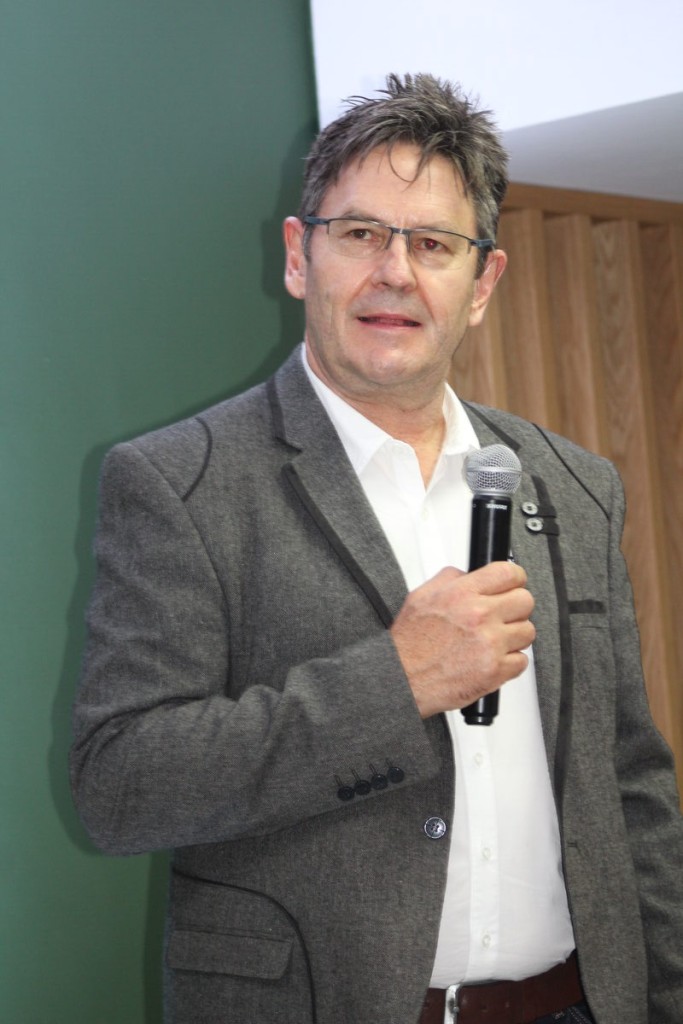
Smith emphasised that being “doctor-owned, doctor-driven and patient-focused” represents more than mere rhetoric.
“It actually means quite a lot if one has doctors who are majority shareholders not because of money that they want to make, because the primary focus for them is the patient.”
This ownership structure allowed direct influence over everything from processes and appointments to quality of equipment and staff care. Smith contrasted this with industry-centralisation trends: “We want to empower the doctor to remain in control, because that’s ultimately where you’re going to have the best patient care. You can’t have it as an employee who just arrives and works nine-to-five.”
Integrating technology and medical professionalism
The facility’s success has led to 110% capacity utilisation, prompting the acquisition of 6 800 m² of adjacent land.
“Success breeds success,” Smith declared. “So if one has a centre of excellent doctors, nursing staff and management team, the outcome will be patient care and then you will be more successful.”
Rather than duplicating existing services, the planned expansion will introduce complementary offerings designed to enhance the campus as a whole: “We are not trying to duplicate anything… a unique value-add is what we’re going to build next door.”
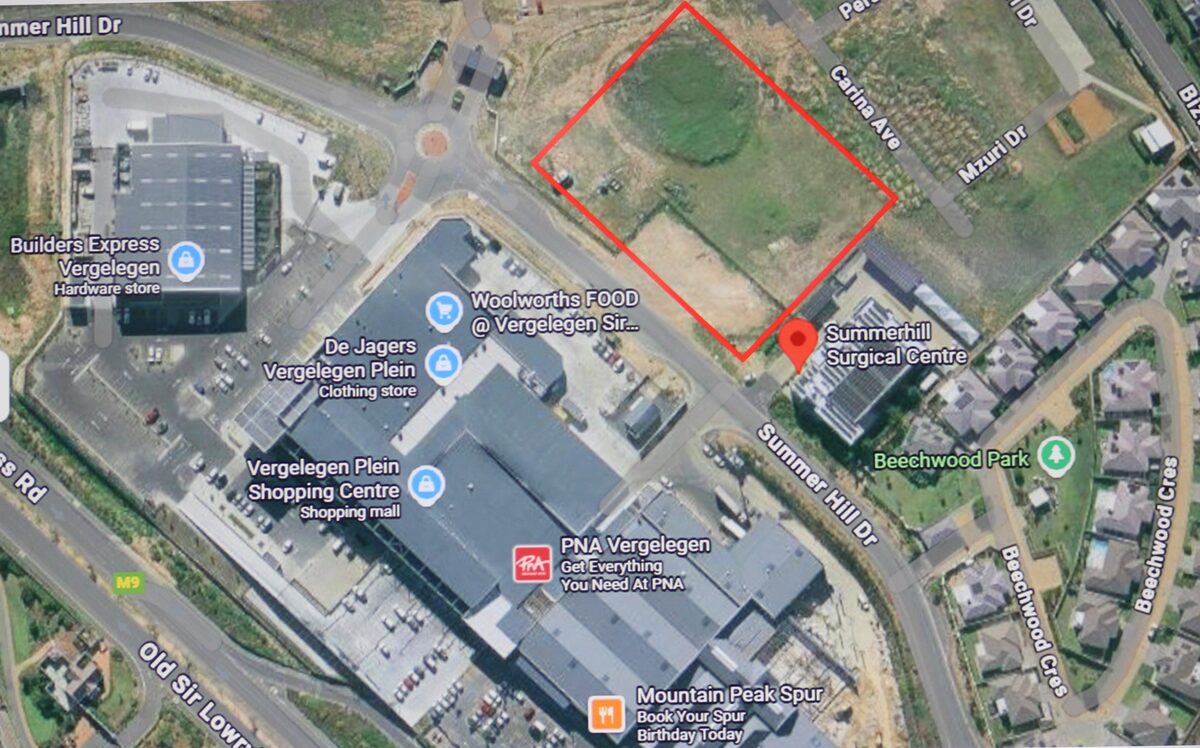
The development will feature medical offices, approved radiology services, and enhanced parking facilities.
Smith outlined Summerhill’s collaborative vision: “We want to create a centre of excellence. We call it a precinct, but it must ultimately serve the community by integrating technology with clinical professionalism, fostering a collaborative environment for all partners.”
He said this sustainable-partnership model includes property-ownership opportunities for medical partners, ensuring long-term continuity and creating a comprehensive medical campus that serves unique community needs while preserving Summerhill’s founding principles.


Celebrating a decade of excellence



You must be logged in to post a comment.