
The clock is ticking – but the public has been given a little more time …you have one last chance to save the coast.
Following widespread calls from concerned residents, conservation groups, and environmental activists, the public review period for the proposed Eskom Nuclear Power Plant at Bantamsklip near Pearly Beach has been extended once again.
The new deadline for public comments on the Draft Environmental Scoping Report (DSR) is now Friday, 29 May – but critics warn that even this extended window is far too short for a project of this magnitude.
It is about Bantamsklip
“At stake is one of the most consequential environmental decisions South Africa has faced in decades: whether to approve the construction of a massive 5 200-megawatt nuclear power station on one of the most ecologically sensitive coastlines in the world. And for the community of the Overberg that decision could alter their landscape, their livelihoods, and their natural heritage forever,” said a conservationist and activist.
The planned project, a nuclear power station with a capacity of up to 5 200 MW – making it one of the largest nuclear facilities ever planned on African soil. cannot be taken lightly and according to activists and nature conservationists it is about more than just the nuclear power plant it is about Bantamsklip.
UNESCO-recognised biodiversity hotspot
“Bantamsklip is no ordinary stretch of coastline. It is nestled within the worldwide recognised Cape Floristic Region — one of only six floral kingdoms on earth and a UNESCO-recognised biodiversity hotspot — the Bantamsklip property is an ecological treasure chest. It is surrounded by a network of nature reserves and contains 22 species listed in South Africa’s Red Data Book of endangered plants, six of which are found nowhere else on the planet. Let that sink in: six plant species that exist only here, on this farm, on this coastline,” the conservationist said.
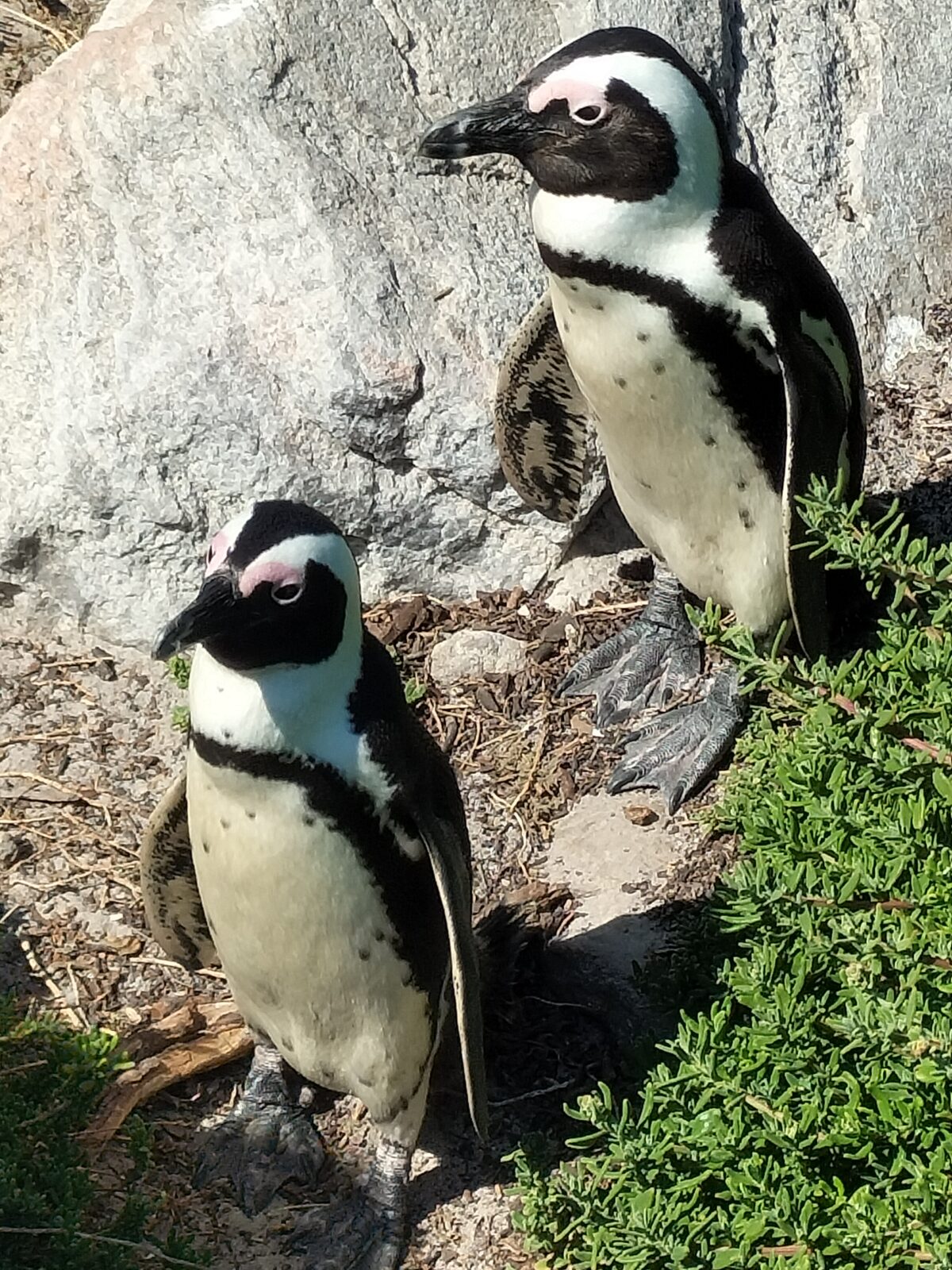
But it is not just the flora. The coastline at Bantamsklip teems with life above and below the waterline. The cold, nutrient-rich Benguela Current runs along this stretch of coast, sustaining extraordinary biodiversity: African Penguins, the Southern Right Whales, the Cape Fur Seals, Great White Sharks, Dolphins, Abalone and the kelp forests that function as nurseries for countless fish species.
According to him nuclear power plants require enormous volumes of seawater for cooling. “The discharge of thermally heated water back into the ocean – a process called “thermal pollution” – risks fundamentally altering ocean temperatures, disrupting the kelp forests and the food webs that depend on them.” Critics also warn of the risks of chemical pollution, sediment disturbance, and underwater noise from construction and operation, all of which could have cascading, irreversible effects on this marine environment.
Deadline 29 May 2026
The Draft Environmental Scoping Report – spanning an overwhelming 2 700 pages – was released for public comment on 1 April 2026. The original deadline of 5 May 2026 was first extended to 25 May, and has now been extended again to 29 May 2026, following mounting public pressure from communities who argued they simply did not have enough time to process such a voluminous and complex document.
All comments must be submitted to WSP by Close of Business on that date.
Report available
The Draft Environmental Scoping Report is available at:
• WSP Website: https://www.wsp.com/en-ZA/services/public-documents
• WSP Datafree Website: https://wsp-engage.com/
For those who prefer to review printed copies, the DSR is available at public
libraries and venues across the Overberg:
• Hermanus Public Library — 1 Magnolia St, Hermanus;
• Stanford Public Library — 155 Queen Victoria St, Stanford;
• Gansbaai Public Library — C/O Main and Kapokblom St, Gansbaai;
• Eluxolweni Public Library — 3 Holomisa Street, Eluxolweni, Pearly Beach;
• Buffeljachtsbaai Public Library — Buffeljachtsbaai;
• Bredarsdorp Public Library — 5 Church St, Bredasdorp;
• Welverdiend Library — 56 Ou Meule St, Bredasdorp.