

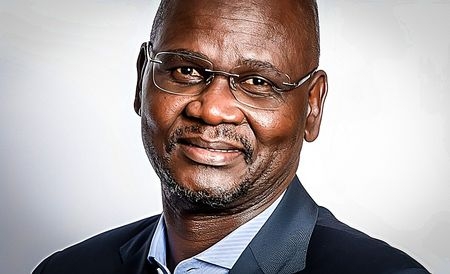
The High Court in Pretoria has set aside the suspension of Public Investment Corporation chief executive Patrick Dlamini, ruling that the move was unlawful and invalid.
The ruling delivered on Tuesday by Judge Mandla Mbongwe found that the PIC board had acted beyond its legal powers when it suspended Dlamini on 13 July without following proper procedures outlined in the Public Investment Corporation Act.
The court heard that according to the Act and the company’s delegations of authority, a chief executive’s suspension must be recommended by the human resources and remuneration committee, initiated by the chairperson, and approved by the minister of finance in consultation with Cabinet. None of these procedures were followed.
Minister of Finance Enoch Godongwana said the judgment vindicates the actions taken by National Treasury and Cabinet to restore governance at South Africa’s largest asset management institution.
“These actions were both good and necessary, triggered in part by the hasty removal of Dlamini without due consultation and process,” the Ministry of Finance said on Tuesday.
Weeks of leadership friction
The ruling comes after weeks of intense leadership friction within National Treasury and the PIC, which culminated in a public clash between Godongwana and his deputy David Masondo, who chaired the PIC board at the time of the suspension.
Dlamini had been placed on precautionary suspension following a 26-page whistleblower report submitted to the PIC board in June. The complaint raised allegations about Dlamini’s handling of a long-running dispute involving Lanseria Airport Holdings and Harith General Partners.
The whistleblower alleged that Dlamini had failed to disclose conflicts of interest, authorised a forensic review by PricewaterhouseCoopers without the required board resolution, and failed to provide adequate answers to Parliament in December 2025 regarding his previous directorships.
Governance crisis triggers board resignations
The suspension triggered a major governance crisis at the R3,6 trillion asset manager. Relations between Godongwana and Masondo deteriorated rapidly, with reports indicating that Ramaphosa intervened to resolve the impasse.
On 23 July, Masondo resigned as chairperson of the PIC, along with five other non-executive directors, averting an unprecedented legal battle between a minister and his deputy.
The PIC did not oppose Dlamini’s urgent application because the board that had initiated the suspension had already been dissolved. A new board, chaired by Seiso Mohai, was appointed in late July.
Cabinet recently announced the appointment of non-executive members to the PIC Board of Directors to address governance challenges at the corporation.
The court ordered the PIC to pay the costs of the application, including the costs of two counsel.
Scrutiny continues despite reinstatement
Despite his reinstatement, Dlamini continues to face scrutiny regarding the matters raised in the whistleblower complaint. The Financial Sector Conduct Authority is investigating the allegations.
Godongwana said he will continue to drive reforms of the PIC, as recommended by the Judge Mpati Commission, in consultation with Cabinet.
“As the country’s largest asset manager and the custodian of a substantial portion of public sector retirement funds, trust in its governance is of systemic importance,” the ministry said.

