

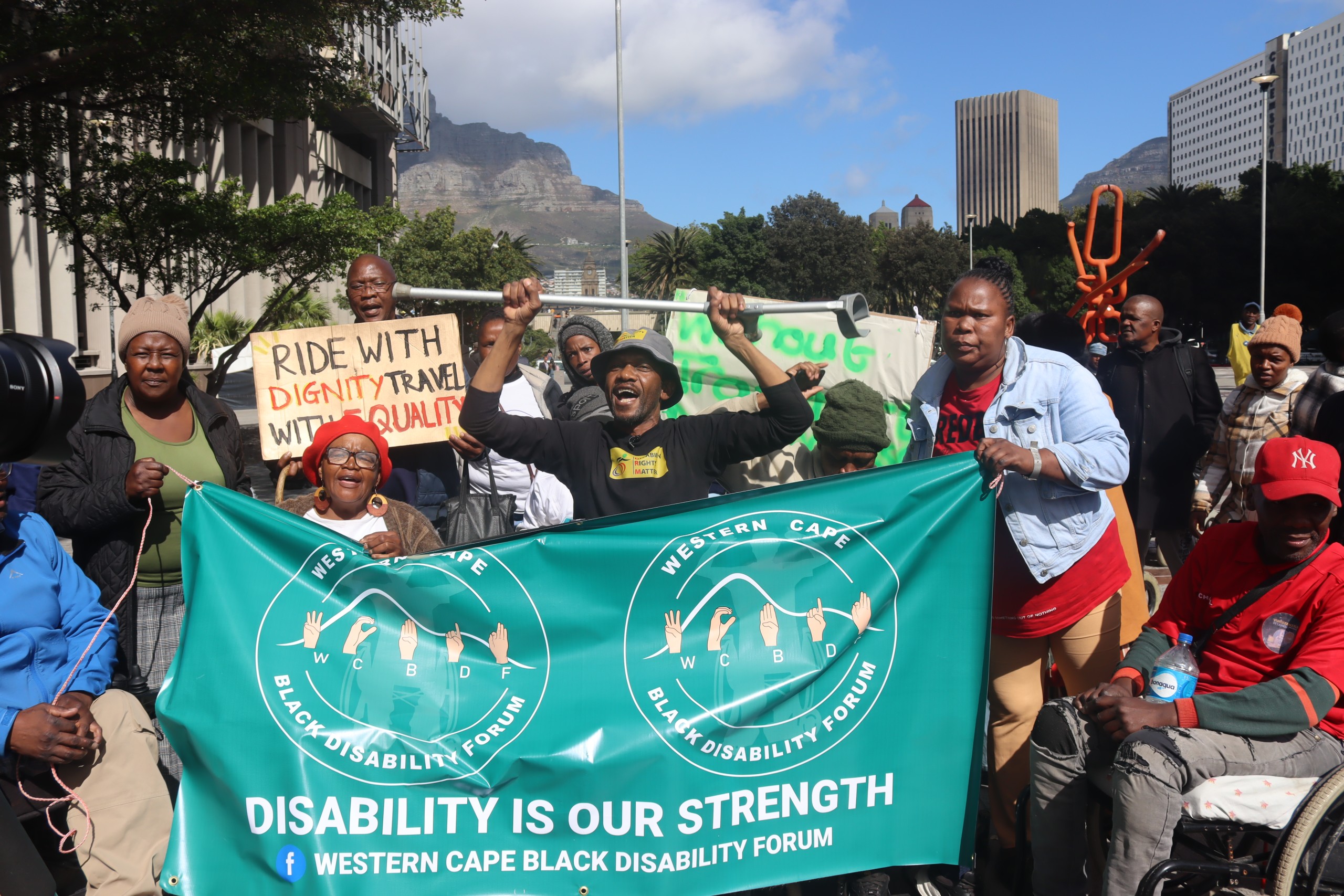
The Western Cape Network on Disability (WCND) says it will continue its fight to have the Dial-a-Ride (DaR) service fully reinstated to its previous level of operation.
Planned cuts to the Dial-a-Ride service were not implemented yesterday (8 September) following an out-of-court settlement reached on Friday 5 September between disability activists and the City of Cape Town.
On Thursday 4 September the WCND filed an urgent application in the Western Cape High Court against the City’s planned cuts to the DaR service.
Michelle Botha, WCND chair, said a settlement between the City was concluded on Friday and made an order of the court by Acting Judge Wallis Roux.
Legal representation for the Network was provided by the People’s Legal Centre.
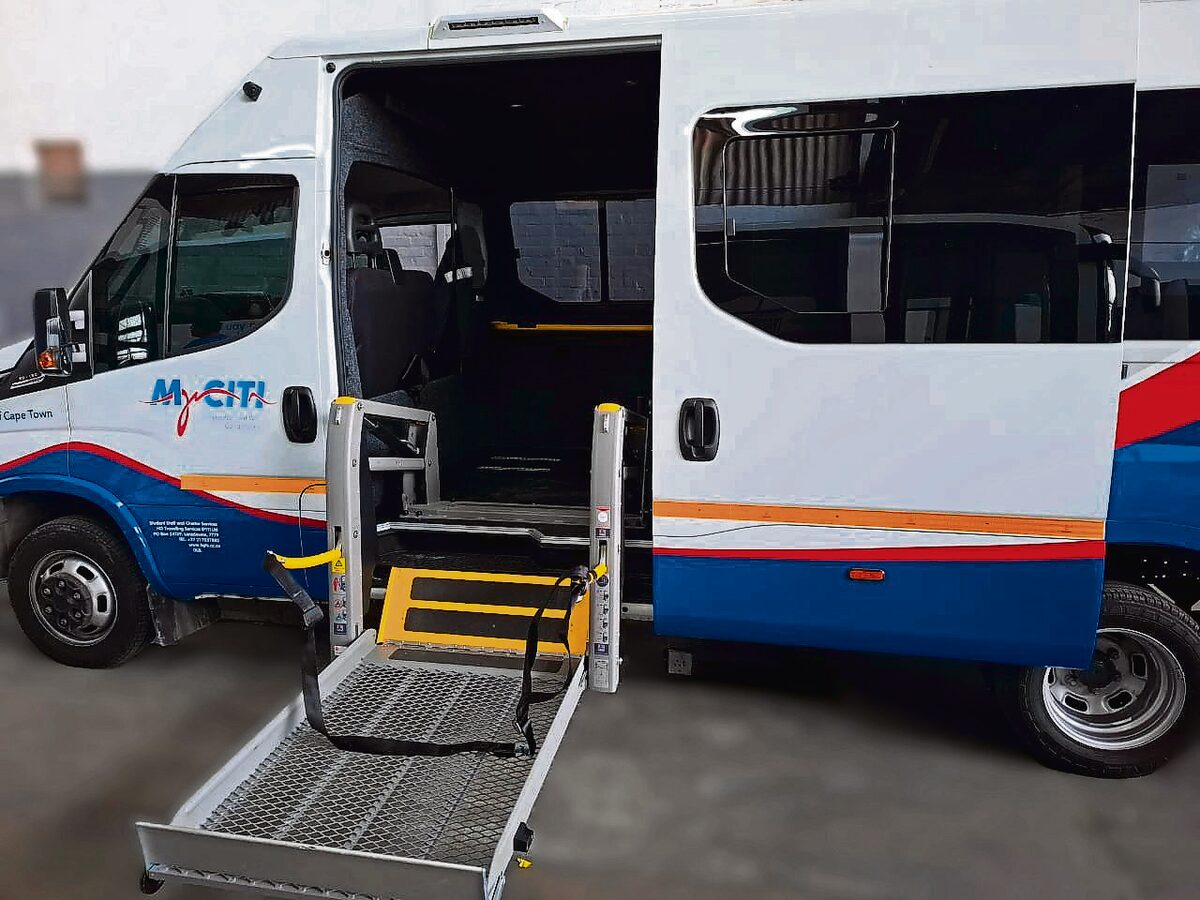
Last month, the City announced that the dedicated kerb-to-kerb service for people with disabilities who are unable to access mainstream public transport will only be available to eligible wheelchair users and people with severe walking impairments.

According to the City, these service cuts are due to budget constraints.
The decision was met with strong criticism from disability advocacy groups, who argued that there had been no prior consultation with them.
Botha said: “We presented a settlement order to judge Roux who signed it as an order of the court.
“It is important to stress that this formed Part A of our application which was for immediate relief while the lawfulness of the City’s decision to scale back the service is investigated in Part B.”
The order will lapse if the WCND does not submit a review application to the High Court by Friday 10 October.
“In this time, and until the Part B is heard and decided upon by the court, DaR will run as it did prior to 7 August,” explained Botha.
Botha described the order as a landmark moment for disability rights in Cape Town.
“This is a small victory. But we are certainly not done. There is much work ahead of us as we compile our Part B application.
“While the Western Cape Network on Disability brought the application, we must stress the partnership with various organisations and individuals.”
Rob Quintas, Mayco member for urban mobility, said in a press statement, this extension provides an important window to engage in a broader conversation about the respective mandates and responsibilities across all spheres of government in the provision of specialised services such as Dial-a-Ride.
“The City of Cape Town invests more in transport for persons with disabilities than any other metro in South Africa and is proud to do so. But the City cannot shoulder this responsibility indefinitely without broader support.
“Delivering true inclusion will require collective effort from all spheres of government, employers and civil society — and not necessarily through funding alone.”
He said in May this year, the Council adopted the Universal Access Policy for Accessible Transport, an internationally recognised framework that commits Cape Town to a mainstream system where all people, regardless of ability, can travel independently, safely and with dignity.
“While the City has operated Dial-a-Ride since 2002, its ambit has expanded significantly over time to what was first initiated and it’s important to note that municipalities are not mandated to provide this specialised service,” said Quintas.
Quintas said to keep the service running, the City has funded Dial-a-Ride directly through the municipal rates account
“For the service to continue to cater to non-employment related trips, the City hopes the court process may unlock funding needed from other organs of state with the constitutional mandate for services to persons with disabilities,” he concluded.




You must be logged in to post a comment.