As climate disasters grow more frequent, the Nelson Mandela Bay Business Chamber is advancing its efforts to bolster the region’s resilience. Central to this initiative is the pioneering Risk Management Desk, which is mapping high-risk areas such as drought zones, flooding hotspots, and the stormwater drainage network.
Supported by modern tools like Google Maps and Quantum Geographic Information System (QGIS), this data-driven initiative aims to improve the metro’s capacity to anticipate and address environmental hazards.
The focus lies on heavy rainwater flow analysis, identifying drainage blockages, and pinpointing flood-prone zones. By linking this data to targeted infrastructure upgrades, mitigation strategies can reduce the devastating impacts of severe weather.
Aligned with the Business Chamber’s broader disaster readiness strategy, this initiative involves collaboration with the Disaster Management Task Team. It focuses on actionable interventions within the metro’s 11 geographic clusters.
Mapping pump stations, stormwater culverts, drains and illegal dumping sites forms a core part of the strategy, as illegal waste contributes significantly to blocked drains. Targeted efforts ensure resources are deployed accurately to areas that truly need attention while avoiding unnecessary expenditure.
Key partners, including Hollard Insurance, Santam, and Simah Risk Advisors, play a critical role in this proactive endeavour. Deanne Bezuidenhout, Hollard’s Head of Environmental, Social and Governance, highlighted that understanding risks is vital to mitigating potential damages. The initiative promotes evidence-based planning, enabling better preparedness and reducing losses.
Santam’s Neptal Khoza echoed the importance of shared data and coordinated efforts in protecting people and businesses. Simah Risk Advisors’ Khanyisa Gogela noted that collaboration fosters communities capable of effective disaster response and recovery, with data insights guiding intelligent infrastructure investment and emergency readiness.
Denise van Huyssteen, CEO of the Nelson Mandela Bay Business Chamber, emphasised that this project extends beyond data collection. It aims to formulate informed strategies to protect lives, businesses and investments. With extreme weather on the rise, understanding vulnerabilities is essential.
The Risk Management Desk uses a detailed, data-powered approach to identify critical intervention areas, helping to mitigate risks before they escalate into crises.
Van Huyssteen stressed that having a clear understanding of risks empowers the Chamber and the business community to actively participate in disaster preparedness. She expressed gratitude to partners enabling this vital work while urging broader collaboration to maximise its impact.
The mapping project also complements other efforts, including the Chamber’s drain-cleaning programme and fire hydrant maintenance initiative. These activities leverage mapping data to address the most pressing areas in need of maintenance and upgrades.
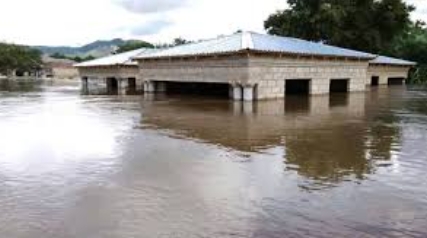
The urgency of such initiatives is underscored by recent disasters, such as the Eastern Cape’s deadly floods, which claimed 102 lives, devastating areas in the OR Tambo and Amathole districts. While Nelson Mandela Bay has experienced similar impacts, the Chamber’s forward-looking approach offers hope for a safer and more resilient metro.
By combining technology, collaboration and proactive risk management, the Chamber’s Risk Management Desk is leading the charge in creating a robust response framework for Nelson Mandela Bay. This initiative marks a significant stride towards sustainability, smart infrastructure planning, and emergency readiness, ensuring the area can better cope with future climate challenges.