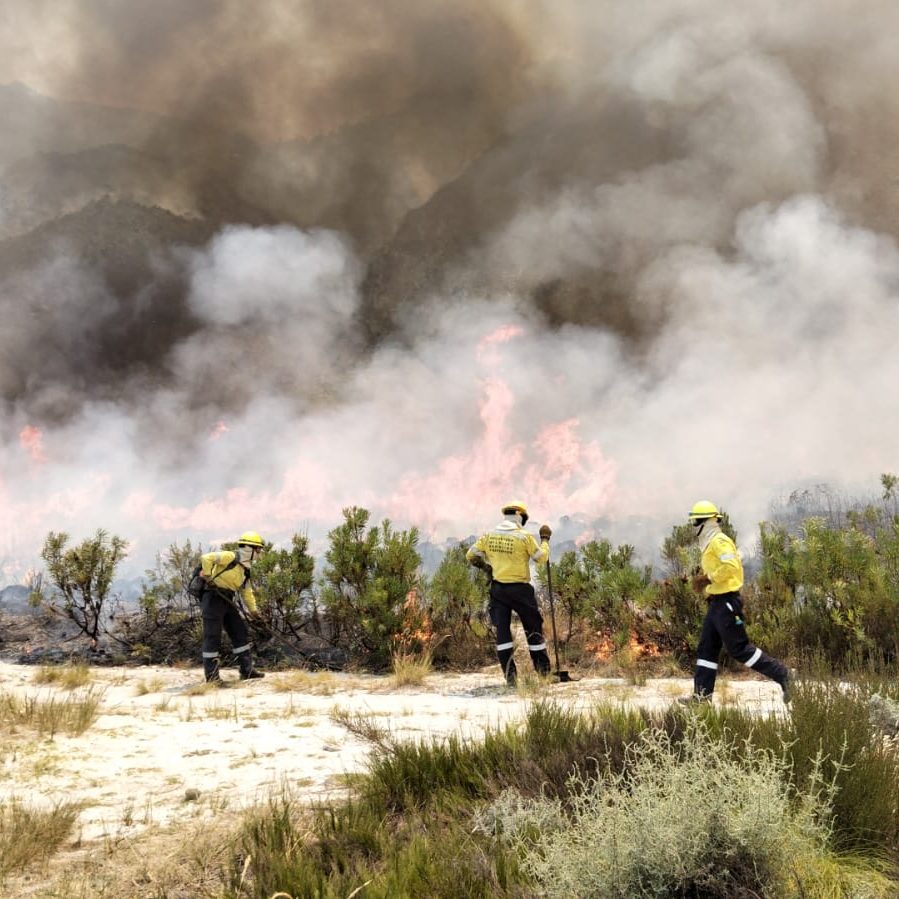
CapeNature has released a special series of its Green Noise podcast examining South Africa’s recent wildfire season, with particular focus on the devastating Cederberg Wilderness fire and shifting weather patterns.
The fire, which started on 22 December 2025 along Uitkyk Pass, burnt approximately 53 000 hectares before being contained on 5 January 2026. The blaze affected land managed by CapeNature and adjoining private properties, prompting extended closures of hiking trails, wild camping areas and sites within the affected zones.
The podcast series, released in April 2026, features firsthand accounts from aerial firefighting crews, conservation specialists and climate experts, offering listeners insight into wildfire response operations and the environmental challenges facing the region.
Season three of Green Noise was recently selected as a finalist at the International Tourism Film Festival Africa 2026, recognising the podcast’s contribution to raising awareness of nature, biodiversity, eco-tourism and sustainability.
The episodes examine the coordination between ground crews and aerial support, highlighting that helicopters alone cannot stop fires without ground teams completing critical containment and extinguishing work. The series also explores the physical and mental demands on firefighting teams and the economic impact on landscapes, biodiversity and livelihoods.
Monique Ruthenberg, conservation manager at CapeNature, said fire is a natural and essential part of fynbos ecosystems, but a clear shift in intensity and frequency is emerging.
“This is increasingly driven by human factors, including greater use of natural areas, expanding settlements, and development near protected areas,” she said.
ALSO READ: Cederberg wildfire spreads across 34 000 hectares as firefighting teams battle blaze
“Human negligence, along with gaps in effective fire mitigation, fuel load management, and coordinated response systems, is placing both ecosystems and communities at greater risk.”
Ruthenberg noted that floods in 2023 and 2024 led to rapid vegetation growth, which combined with extended hot and dry summer conditions created ideal circumstances for severe wildfires.
James Reeler, senior technical specialist in climate action at World Wildlife Fund South Africa, said climate change is altering fire regimes globally and locally.
ALSO READ: CapeNature calls for all hands on deck to prevent wildfires this season
“Warmer temperatures, prolonged dry spells and erratic weather patterns are increasing wildfire risk and extending the duration of fire seasons,” he said.
The series examines the impact on the Cederberg region, known for its unique biodiversity and cultural heritage, where fires have destroyed vegetation that can take years or decades to recover. Local livelihoods, including farming and small-scale harvesting, have also been affected.
The Green Noise emergency fire series is available on CapeNature’s website and major podcast platforms.
ALSO READ: Western Cape battles wave of early summer wildfires across multiple districts