WESTERN CAPE – The Department of Water and Sanitation (DWS) this week provided an update on the long-delayed Clanwilliam Dam raising project during a briefing to the Western Cape Provincial Government and members of the Council of Provinces today.
The mega construction project to raise the Clanwilliam Dam wall by 13 m at cost of almost R6 billion, which has been plagued by years of delays due to funding and administrative challenges, is now scheduled for completion in May 2029, more than 10 years after the work should have been completed.
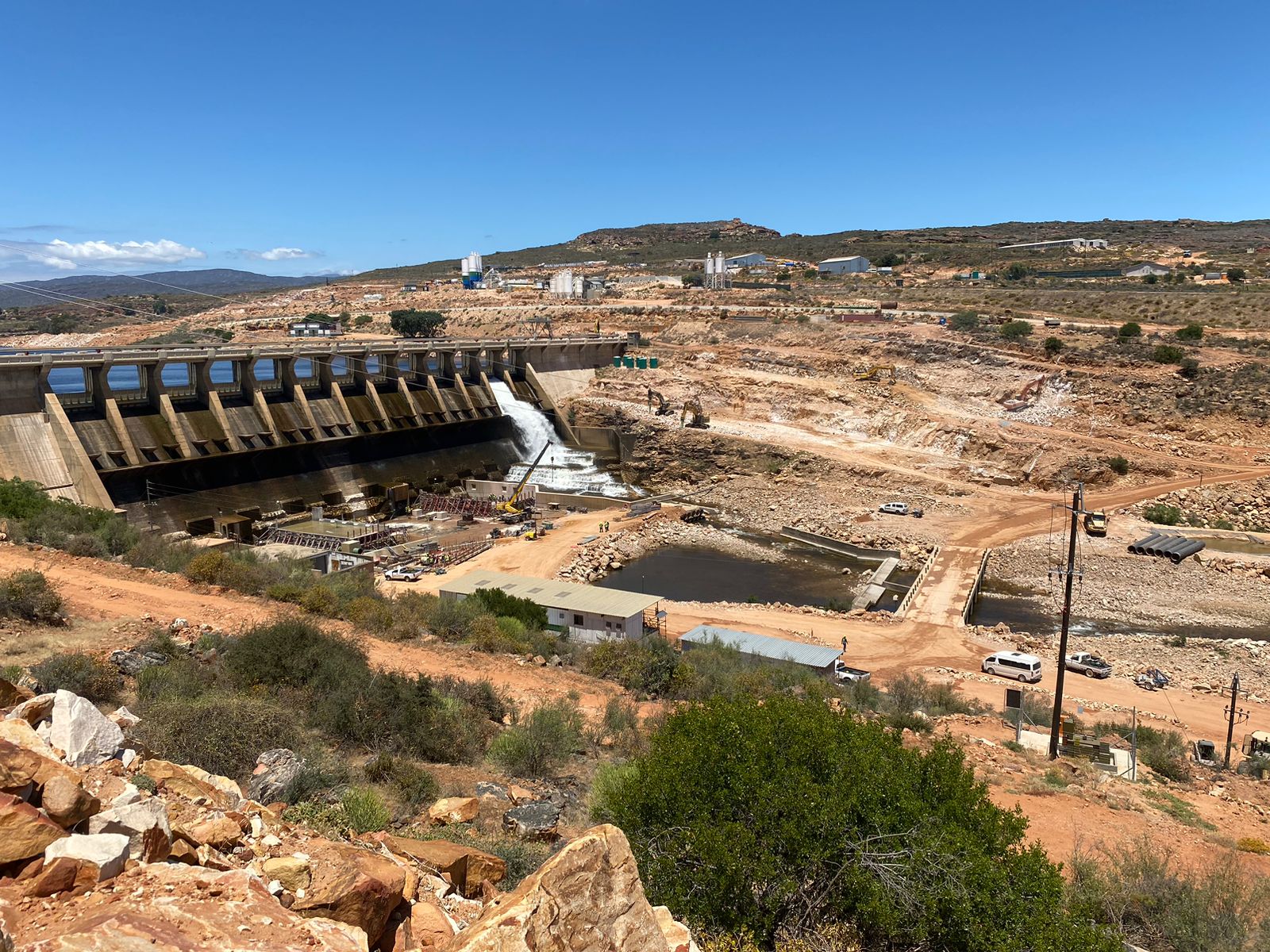
According to officials, the project has reached 26% overall completion, with current efforts focused on the intake coffer wall.
The expansion of the Clanwilliam Dam was planned about 15 years ago and the project was supposed to be completed by 2018. The cost of has risen from an initial R2.2-billion to R5.6-billion.
The Clanwilliam Dam, located on the Olifants River, was originally built in 1935 and the dam wall was last raised in the 1960s.
DWS Acting Deputy Director-General Livhuwani Mabuda led the briefing as part of what the department described as its “commitment to transparency and accountability.” The raising the the dam wall will nearly triple its water yield and is expected to bring significant economic benefits to the West Coast Region.
The primary beneficiaries will include local farmers, households, and emerging farmers, with substantial economic opportunities anticipated for regional entrepreneurs during the construction phase.
Recent progress and water release
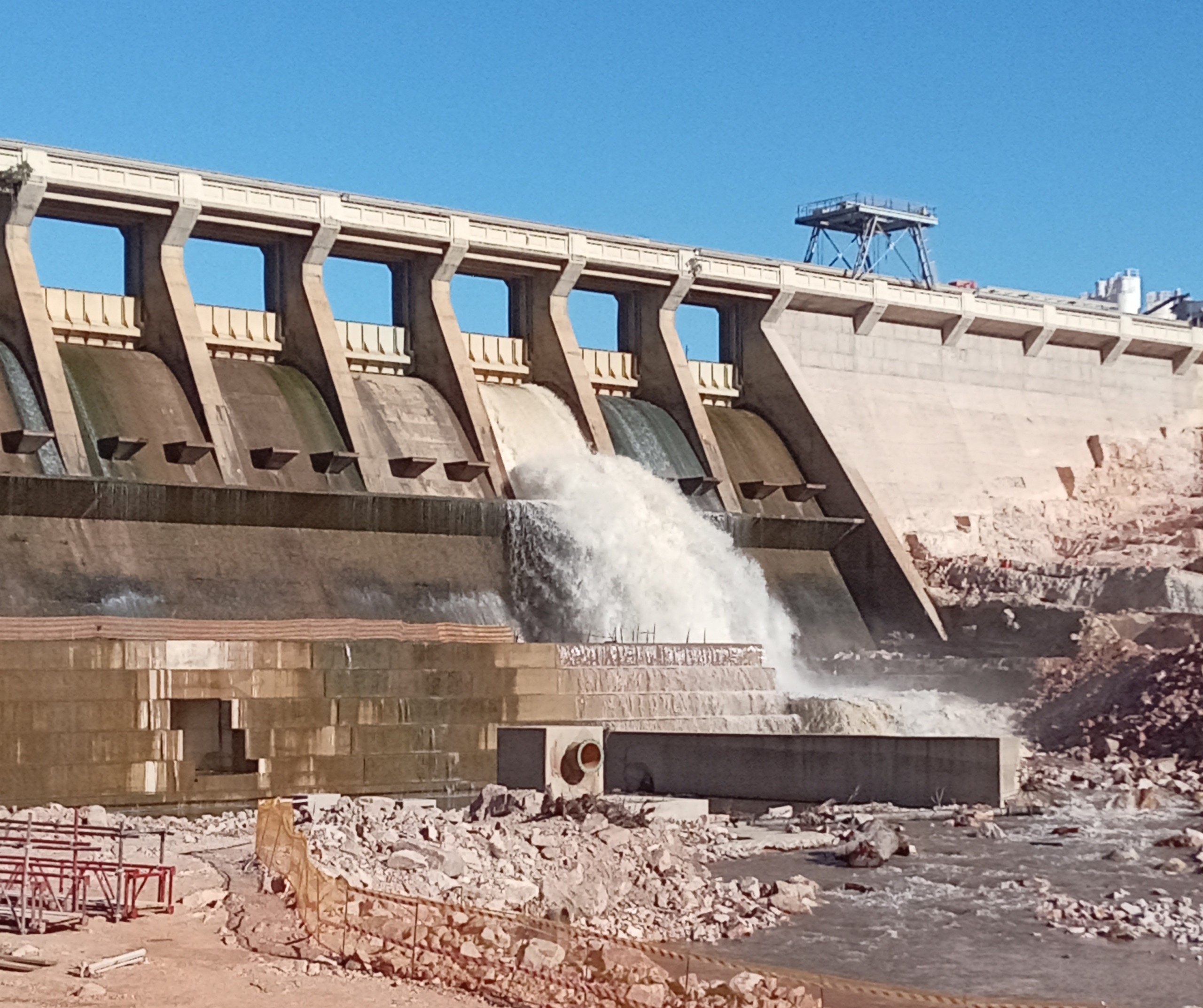
Officials provided updates on the recent controlled release of water that lowered the Clanwilliam Dam levels from 95% to 75%. This reduction was necessary to enable the construction of the coffer wall, which supports the erection of the 56-meter-high Intake Tower situated upstream of the dam wall.
“The Intake Tower is a critical component of the project and lies on its critical path. Its construction involves 18 months of excavation work, followed by 20 months of tower construction, totalling 38 months,” Mabuda explained.
The current dam level stands at 77%, with water release operations expected to be completed within the next 24 hours. Officials reported no disruptions to downstream water supply, no loss of life, and no property damage during the process. The coffer dam has dried, allowing construction activities to resume.
Project delays
Despite the recent progress, the Clanwilliam Dam upgrade has faced numerous setbacks since its initial conception. These delays have significantly increased the project cost and postponed the anticipated benefits for local communities and agriculture.
Western Cape MEC for Local Government, Anton Bredell, and other executive leadership expressed satisfaction with the current progress but urged the department to maintain consistent communication with stakeholders. Bredell encouraged the department to collaborate with all stakeholders regarding bulk water conveyance and advised exploring mechanisms to minimize the risk of illegal water use and evaporation.
The Clanwilliam Dam project remains a critical infrastructure development for the Western Cape’s water security and agricultural productivity, despite its troubled implementation history.