Business groups warn that record fuel prices will push up costs across the economy and are calling for urgent action to fix rail infrastructure and reduce dependence on diesel.
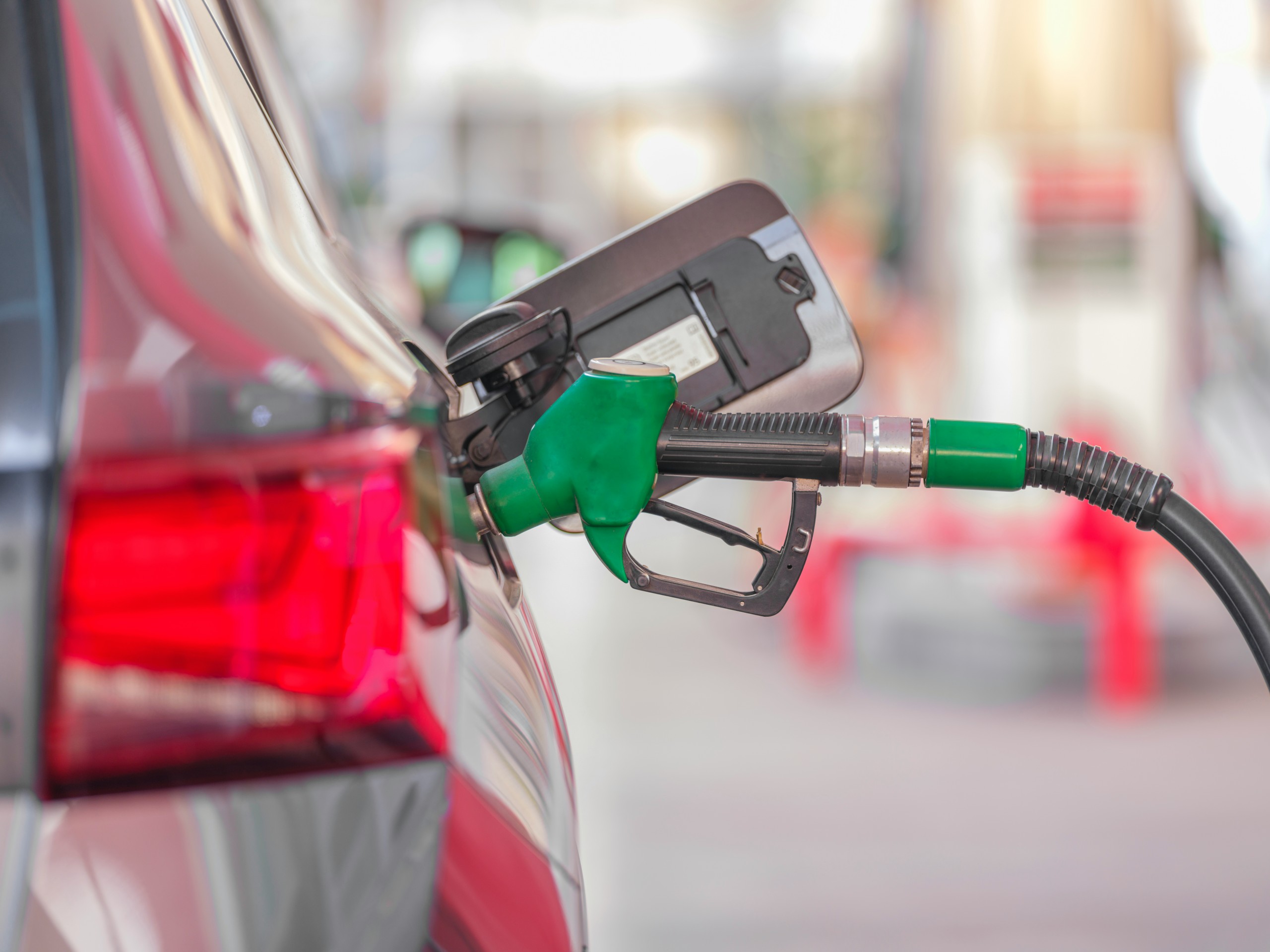
South Africa’s freight industry faces a major cost crisis as wholesale diesel prices climb above R32 per litre at the coast and R33.20 inland, the Cape Chamber of Commerce and Industry and the Road Freight Association, warned this week.
The price jump will hit commercial transport and agricultural supply chains immediately, with costs likely to spread across all economic sectors. Industry leaders warn the price may climb even higher before the end of the year.
Gavin Kelly, chief executive of the Road Freight Association, says the increases will force transport companies to change how they operate.
“Any transporter will look at fuel consumption, the only real method to cut fuel costs. This could result in various options being considered: different types of vehicles used, different operating hours, different routes, different loading and offloading scheduling, driver behaviour, and a move to battery electric vehicles,” Kelly says.
Export season hit at worst time
The timing creates particular problems for fruit exporters. Terry Gale, chairperson of the Cape Chamber’s Product Business Environment Portfolio Committee, says farmers face huge difficulties as the export season begins.
“As the deciduous fruit season starts within the next two months and the first grape exports begin within weeks, farmers face immense difficulty calculating cost-to-market in an ever-changing landscape,” Gale says.
“In the current economic context, the increase in diesel prices will have a huge, negative impact on industry and will ultimately affect all our pockets as the majority of goods are moved by road in South Africa.”
Transporters now add fuel surcharges that can push up base rates by 50% or more, with these charges changing every month.
Gale points out that South Africa currently has no active refineries to absorb cost increases, leaving the country exposed to international supply shocks even though it sources fuel from markets outside the Middle East.
Rail infrastructure urged as solution
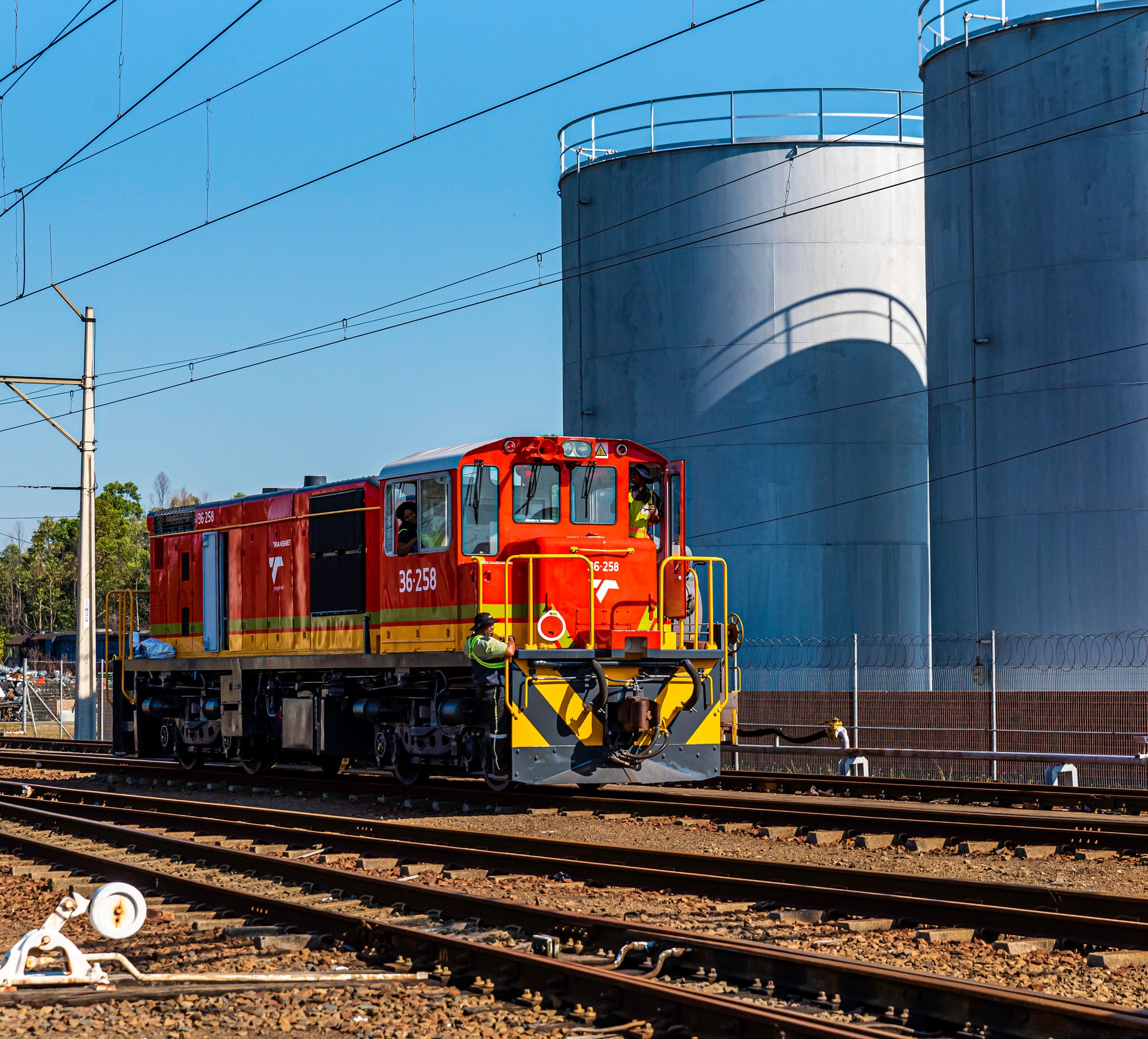
The supply chain pressure shows why the Department of Transport wants to restore rail infrastructure connecting key industrial areas and freight routes, including Durban, Ngqura, and Cape Town directly to Gauteng, Gale says.
Cape Chamber chief executive John Lawson says the fuel crisis should push government to find solutions for road freight.
“Because rail is not working, it means we have more trucks on the road than we need to have to transport goods. The increased fuel cost means that all our input costs will increase, and it also adds a cost in terms of road maintenance,” Lawson says.
“What this all means, however, is that we need to focus on solutions. Rather than wait for the next increase, we need to become more resilient and less dependent on particularly diesel.”
Further increases possible
Kelly warns that supply chain pressure will likely get worse.
“Unfortunately, it is difficult to completely rule out further fuel price increases. Already there are indicators that South Africa is heading towards further fuel price increases in November, should the tensions in the Middle East not be resolved,” Kelly says.
“The ongoing geopolitical tension and the surge in risk, coupled with the supply and demand factor, adaptability will continue to be vital for South Africa’s freight sector.”
Transport companies will continue trying to limit fuel use, improve efficiency, and prepare for an unstable operating environment, he says.
“One thing is certain: In a country that is dependent on road freight, such as South Africa, every adjustment in the price of diesel has consequences extending past the petrol pump. It goes deep into the transport systems that keep the country running.”
Kelly notes that the freight sector also worries about illegal fuel blending and dirty diesel entering commercial supply chains to undercut legitimate operators.
ALSO READ: Another fuel price shock as Middle East tensions drive oil costs higher
Poorest hit hardest
Dr Adrian Strydom, executive director of the South African Oil & Gas Alliance and Cape Chamber Council member, says the impact will reach far beyond transport companies.
“Energy security is an important issue for South Africa, as an escalation in the fuel price will have a far-reaching effect on our economy. Transportation and manufacturing costs are particularly vulnerable, and everyone will feel the pinch,” Strydom says.
“A sharp rise in fuel costs hits the poorest of the poor hardest through higher food prices and potential job losses. This underscores why South Africa must explore local oil and gas resources rather than spending billions annually on foreign imports while missing out on domestic employment creation.”
Business groups have called on government to consider measures to cushion economic sectors from international price shocks while speeding up rail and energy infrastructure reforms to maintain national supply chain viability.
ALSO READ: Road Accident Fund’s R400 billion crisis sparks fuel levy debate