

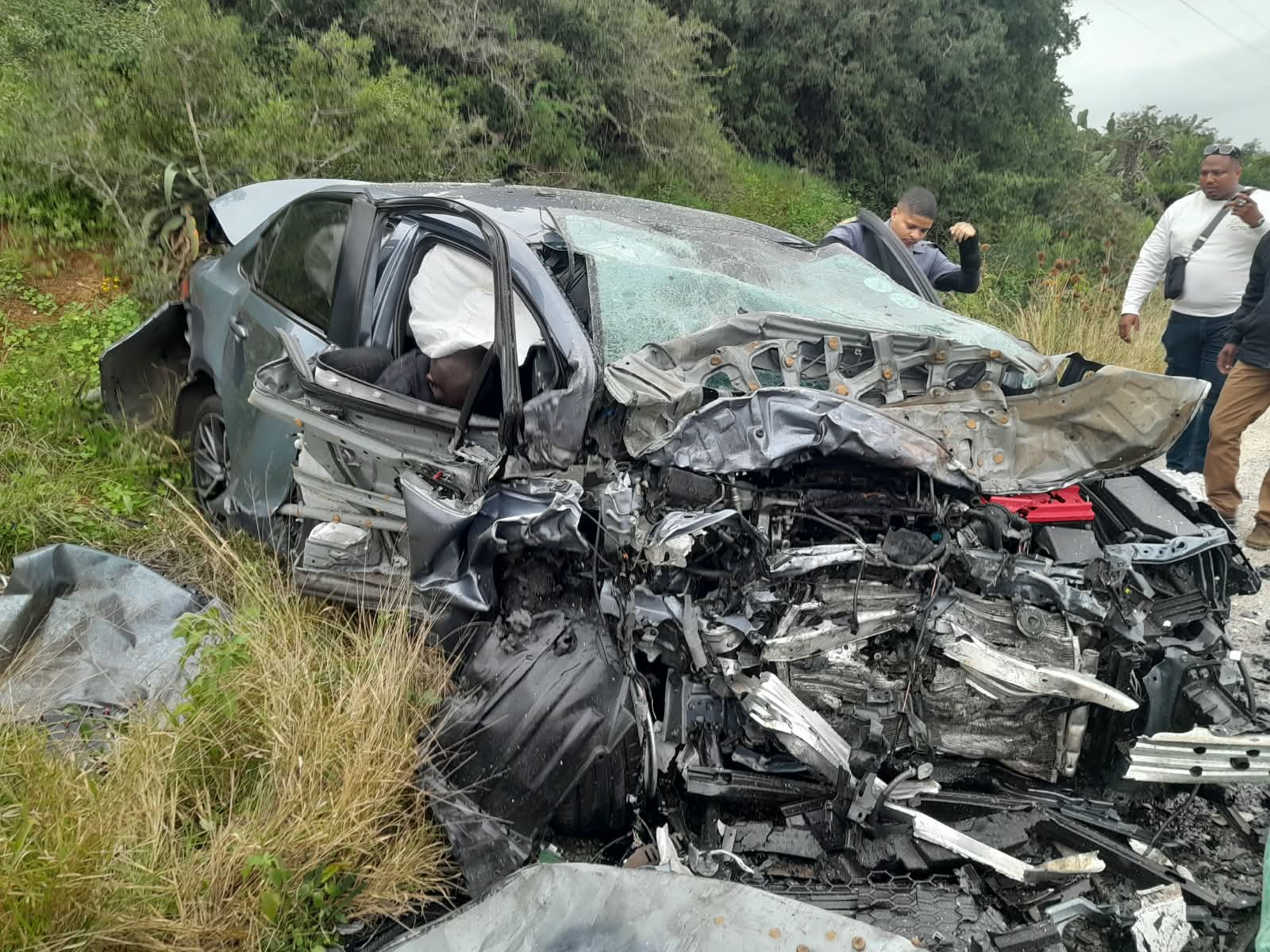
The Road Accident Fund (RAF) continues to face severe insolvency challenges, with total liabilities exceeding R400 billion, while calls grow louder to re-evaluate or scrap the R2.18 per litre fuel levy that funds the troubled entity.
The Portfolio Committee on Transport recently highlighted the severe liquidity pressures facing the RAF, noting that while the fund receives approximately R4 billion per month in fuel levy revenue, its annual payouts and accumulating claims backlog continue to outpace its operational income.
Committee chairperson Donald Selamolela said the committee noted the department’s assurance that it was exploring alternative, sustainable funding models for the RAF.
“We appreciate the progress, and we strongly believe that the appointment of a new permanent CEO will assist the RAF. We hope the entity will transition and become financially stable,” Selamolela said.
Fund technically insolvent for years
The RAF has been technically insolvent for years, with its liabilities consistently exceeding its assets. By the 2024/25 financial year, the fund reported an annual deficit of R2.3 billion, pushing its accumulated deficit to R27.8 billion.
Liabilities are projected to remain well above R400 billion, while growth in fuel levy revenue remains insufficient to cover mounting long-term obligations.
Transport Minister Barbara Creecy led a departmental delegation – including representatives from SANRAL, the RAF, and ACSA – to brief the committee on annual performance plans and audit outcomes as part of parliament’s budget review process.
Over 400 000 claims in backlog
The committee heard that the RAF’s constrained financial position continues to result in significant payment delays for claimants. As of 28 June, the RAF had 37,622 finalised claims awaiting payment, valued at R21.76 billion.
A significant proportion of the RAF’s total open claims – which stood at approximately 422,000 in the 2025/26 financial year – are heavily aged, with 59% older than five years.
Creecy noted that the RAF needs to reduce its long-term reliance on the fuel levy, particularly as the adoption of electric vehicles increases. She emphasized that the department is focusing on transitioning toward a no-fault benefit scheme to eliminate expensive and drawn-out litigation.
Governance and legal costs
The RAF has long been plagued by allegations of administrative inefficiencies, duplicate payments, fraudulent claims, and high legal fees.
The Special Investigating Unit (SIU) has been conducting an extensive probe into maladministration at the fund. To date, the SIU has recovered over R317 million in duplicate payments made to law firms and has investigated more than 100 legal practices involved in duplicate billing.
The fund has also faced intense criticism over its litigation management strategy. Default judgments issued against the RAF for outstanding claims, legal fees, and costs reached an estimated R15.7 billion over a four-year period.
Calls to scrap fuel levy
Opposition parties, including the DA, have renewed calls to scrap the RAF fuel levy as fuel prices fluctuate, proposing instead that the RAF be replaced with compulsory third-party insurance paired with a restructured public safety net.
Critics argue that road users should not carry the burden of funding an entity facing structural insolvency. Furthermore, the rise of electric vehicles presents a long-term revenue threat: as EV adoption grows, petrol and diesel consumption will decline, eroding the primary revenue base of the current RAF model.
ALSO READ: Disbarred attorney faces court over RAF-related fraud charges worth millions
The RAF fuel levy was maintained at R2.18 per litre in this years budget, while adjustments were made to the general fuel levy.
Committee walks journey with RAF
Selamolela expressed concern over past irregular expenditure but affirmed the committee’s commitment to oversight and support.
“We are going to support the entity and walk this journey together, especially as it addresses the challenges it faces. Importantly, we note that the RAF Board has decided to revert to the government-wide accepted GRAP 19 accounting standard and that the entity has withdrawn from costly litigation against the Auditor-General’s office,” he said.
The committee was informed that several turnaround interventions are currently under way, with the RAF expecting measurable operational improvements in the coming financial years.
ALSO READ: DA proposes scrapping Road Accident Fund levy to cut fuel prices permanently

