

ROBERTSON – A new indigenous plant nursery that combines conservation efforts with community development has entered its operational phase near Robertson, marking a significant milestone in the Western Cape’s fight against illegal plant poaching.
The CapeNature Vrolijkheid Nursery Project is designed to serve as both a rehabilitation center for rescued plants and a training facility for local residents, addressing the mounting threat posed by the illicit trade of South Africa’s native flora.
The Western Cape, which hosts two of the world’s major biodiversity hotspots, loses thousands of endangered and protected plants annually to illegal harvesting and habitat destruction. The new facility represents a community-based approach to tackling this growing environmental crisis.
“The illegal trade in our indigenous flora poses one of the greatest threats to the Western Cape’s natural heritage,” said Dave Bryant, the Democratic Alliance’s Western Cape spokesperson on Environmental Affairs and Development Planning. “CapeNature’s Vrolijkheid Nursery Project proves that conservation can also be a force for community empowerment.”
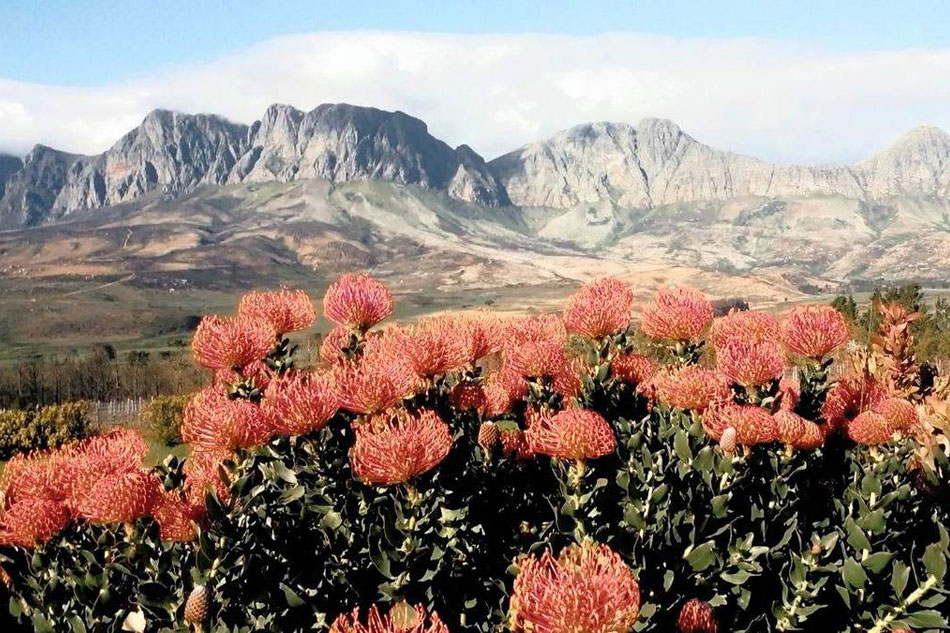
The nursery will operate as more than a simple plant propagation facility. In partnership with the South African National Biodiversity Institute (SANBI), community representatives, and local organizations, the project will offer educational programs for schools and create small-scale enterprise opportunities through monthly market days.
Local residents will receive training in plant propagation techniques and sustainable resource management, skills that could provide alternative livelihoods to activities that harm the environment.
The Western Cape’s unique position as home to two biodiversity hotspots makes it particularly vulnerable to the impacts of plant poaching. The region’s endemic species, many found nowhere else on Earth, face increasing pressure from both legal and illegal collection for domestic and international markets.
Rural communities, often struggling economically, can become unwitting participants in the illegal plant trade when presented with few alternative income sources. The Vrolijkheid project addresses this challenge by creating legitimate economic opportunities tied to conservation goals.
ALSO READ: Endangered plant poaching crisis threatens Western Cape’s biodiversity heritage
The nursery will serve as a sanctuary for plants rescued from illegal trade operations, providing them with appropriate care before potential reintroduction to their natural habitats. This approach not only saves individual specimens but also helps maintain genetic diversity within threatened populations.
Beyond its conservation and economic objectives, the facility will function as an educational hub. School programs will introduce young people to indigenous plant species and conservation principles, potentially inspiring the next generation of environmental stewards.
The project’s community-focused approach acknowledges that long-term conservation success depends on local buy-in and participation. By providing tangible benefits to surrounding communities, the nursery aims to transform residents from potential threats to active conservation partners.
Monthly market days will allow community members to sell propagated plants and related products, creating a direct economic link between conservation activities and personal income. This model could serve as a template for similar initiatives across the province and beyond.
ALSO READ: Western Cape cracks down on biodiversity crime as protected species face growing threat


You must be logged in to post a comment.