Capetonians and surrounding neighbours are in for a celestial treat this September, with two significant astronomical events set to illuminate the Mother City’s skies. From a dramatic total lunar eclipse to the official arrival of spring, September promises to be a month that reminds us of our place in the cosmos.
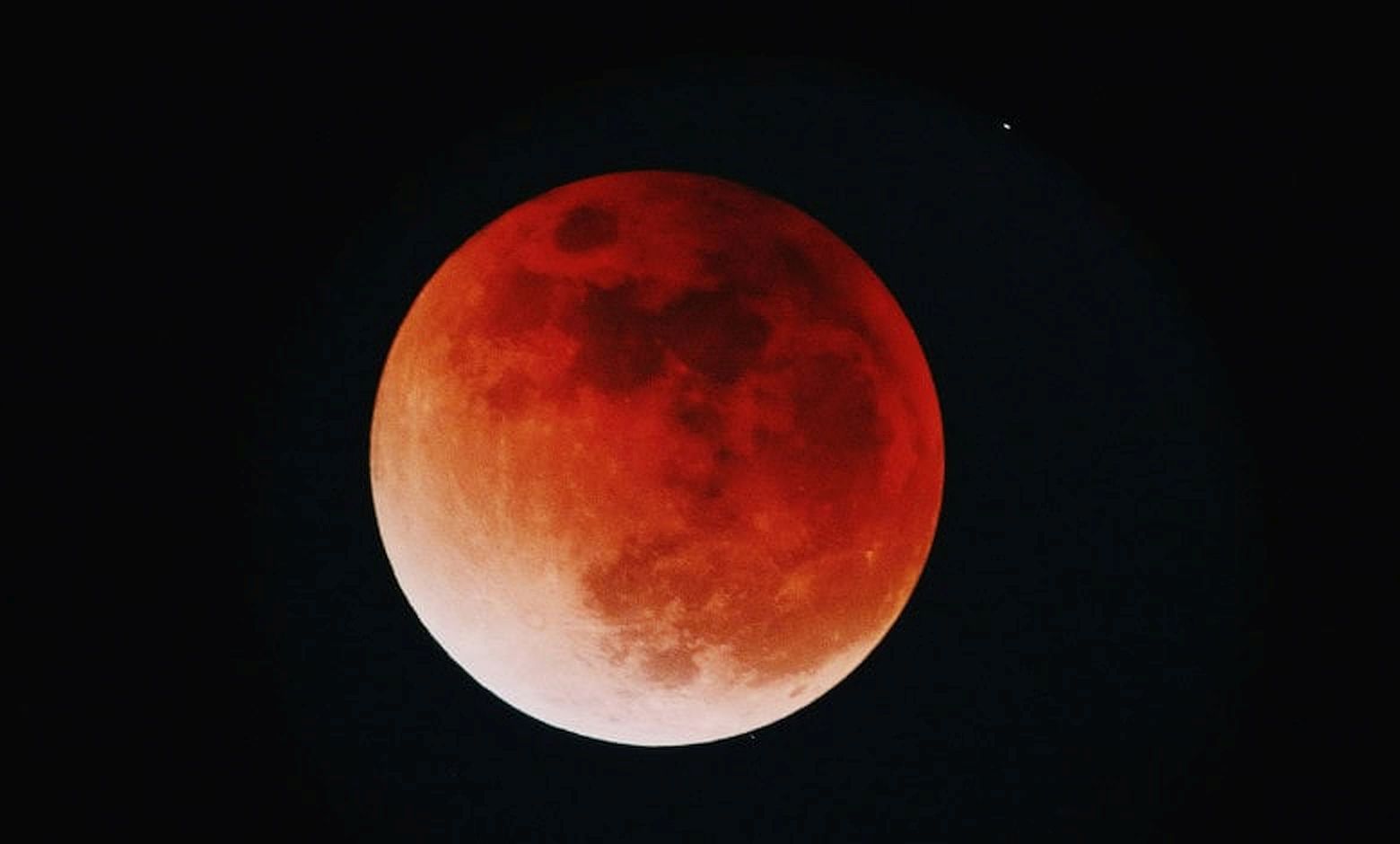
The centrepiece of this month’s astronomical calendar is undoubtedly the total lunar eclipse on Sunday, 7 September. Often called a “blood moon” due to its striking reddish appearance, this celestial phenomenon will reach its spectacular peak at 20:11.
Unlike solar eclipses that require special protective eyewear, lunar eclipses are completely safe to observe with the naked eye. As Earth positions itself directly between the Sun and Moon, our planet’s shadow will gradually engulf the lunar surface, transforming the familiar silver orb into a haunting copper-red sphere.
The eclipse’s main phase runs from 19:30 to 20:52, offering a generous viewing window that accommodates both early observers and those who prefer to arrive fashionably late to the cosmic party.
The dramatic red colouring occurs due to a phenomenon called Rayleigh scattering – the same process that creates red sunsets. As sunlight passes through Earth’s atmosphere, blue light waves are scattered away while longer red wavelengths bend around our planet, casting an eerie reddish glow onto the Moon’s surface.
Cape Town’s diverse topography offers numerous excellent vantage points for the eclipse. The key is finding a location with an unobstructed eastern horizon, as the Moon will rise in that direction:
Signal Hill – Perfect for groups and picnics, with ample parking and stunning city views as a backdrop.
Sea Point Promenade – Ideal for a relaxed seaside experience.
Bloubergstrand – Offers the iconic Table Mountain silhouette for dramatic photography compositions.
Lion’s Head – Elevated views and 360-degree panoramas reward those willing to make the modest climb.
Kloof Corner – Another elevated option providing wide vistas without the crowds of more popular peaks.
Adding to September’s astronomical appeal is the September equinox on Monday, 22 September, at 20:19. This marks the official beginning of spring in the Southern Hemisphere – a moment when day and night are nearly equal in length worldwide.
September in Cape Town typically offers excellent astronomical viewing conditions, with an average of 18 clear nights in the month. However, weather can be unpredictable, so having backup indoor viewing locations or live streams ready is advisable.
This eclipse will be visible across much of Asia, Australia, eastern Africa, and parts of Europe, making it one of the most widely observable total lunar eclipses in recent years. Approximately 85% of the world’s population will have the opportunity to witness at least part of this cosmic spectacle.
Lunar eclipses have fascinated humanity for millennia. Ancient civilizations often viewed them with a mixture of fear and wonder, creating elaborate myths to explain the Moon’s temporary transformation.