

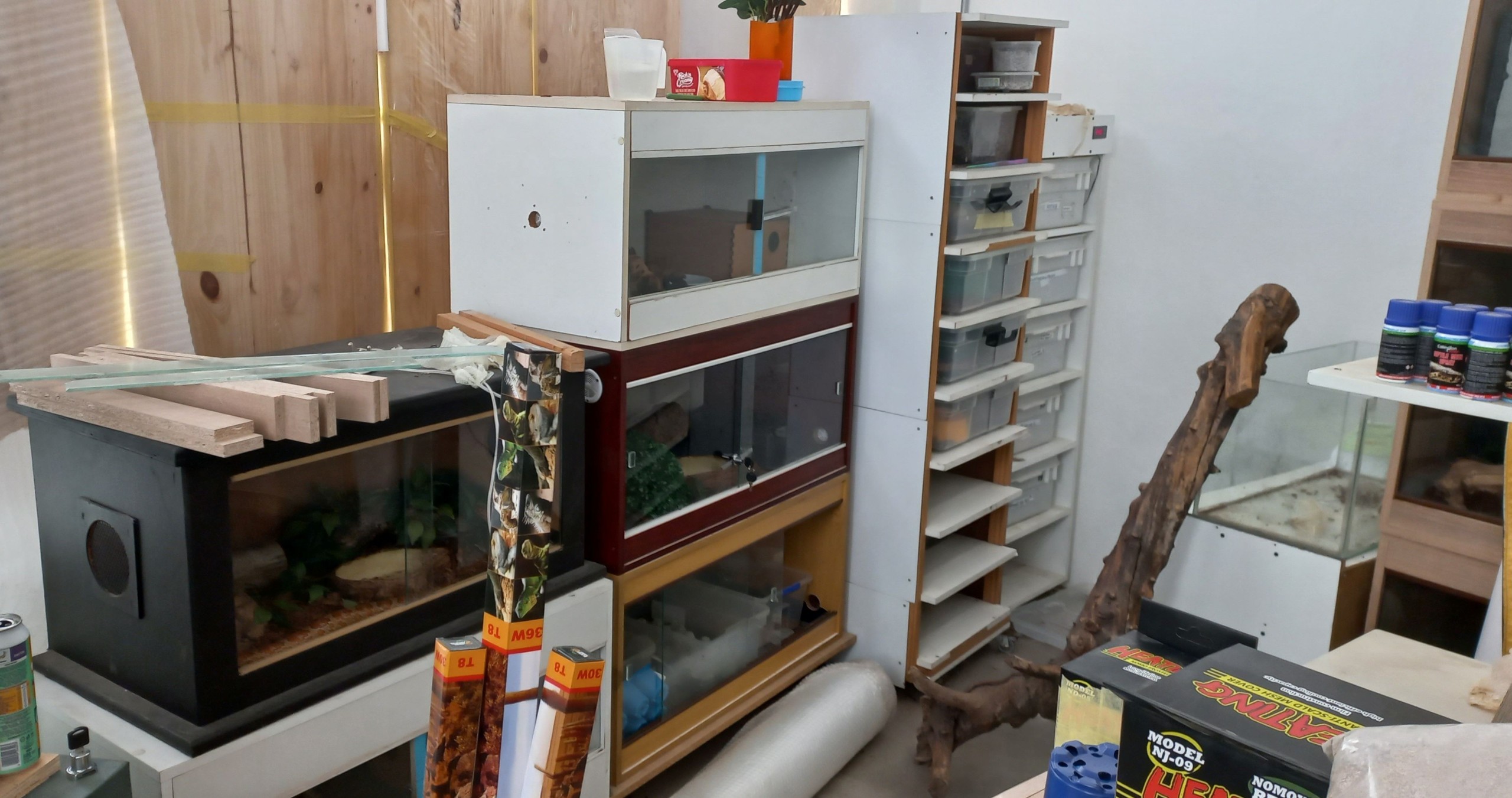
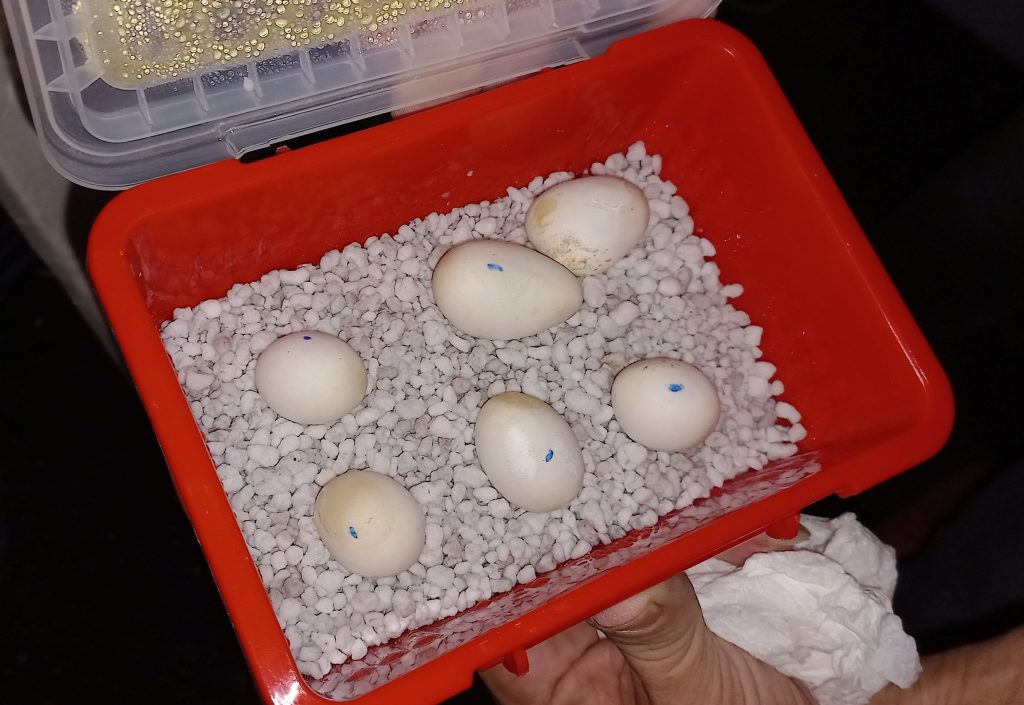
A Cape Town woman has been sentenced after being convicted for unlawfully keeping 145 reptiles captive, including protected and endangered species.
Mbulelo Jacobs, CapeNature’s acting chief executive officer, says this conviction sends a clear message that wildlife crime carries serious consequences
“Permit requirements are essential safeguards for our biodiversity, helping to regulate trade and prevent ecological harm. We commend the investigators and prosecutors whose work secured this outcome and urge the public to support our efforts to protect the Western Cape’s biodiversity.”
ALSO READ: Nine rare plant species poached to extinction in Western Cape since 2020
Jacqueline Hewett of Woodstock was convicted on all six charges relating to the unlawful acquisition, possession and keeping in captivity of the reptiles, which included snakes, geckos and lizards. CapeNature revealed that the animals were kept at a shop in Lower Main Road, Observatory, and at her residence in Woodstock in March 2023.
The Cape Town Regional Court sentenced Hewett last Thursday (22 October) to a fine of R250 000 or four years’ imprisonment, with an additional two years’ imprisonment wholly suspended for five years on condition that she is not found guilty of an offence relating to wild animals during that period.
The court also disqualified her for five years from obtaining any authorisation, licence or permit to acquire, possess or keep wild animals in captivity in the Western Cape.
CapeNature, whose mandate it is to promote and ensure biodiversity conservation in the Western Cape, welcomed the conviction in a press release issued on Tuesday (27 October), while warning that the unlawful trade and keeping of reptiles can have far-reaching consequences for indigenous wildlife and the province’s biodiversity.
“The unlawful trade and keeping of reptiles can deplete wild populations and introduce diseases and parasites to indigenous wildlife. Escaped or deliberately released alien reptiles may establish invasive populations, prey on indigenous species and compete for food and habitat. These risks threaten the Western Cape’s unique biodiversity, including its endemic and threatened reptiles and amphibians,” said the public institution in a statement.
ALSO READ: Poacher convicted for stealing plants from Bracken Nature Reserve
Furthermore, CapeNature commended the South African Police Services’ Kuilsrivier Stock Theft and Endangered Species Unit and the National Prosecuting Authority for their collaboration in securing the conviction.
The authority stressed that anyone wishing to acquire, trade in, possess or keep wild animals in captivity must first obtain a valid CapeNature permit. Prohibited species remain subject to the applicable legal prohibitions.
The public is urged to report suspected unlawful wildlife poaching, trade, possession and keeping in captivity to the police or the relevant conservation authority. The case serves as a reminder that keeping wild animals is subject to legal requirements intended to protect wildlife and prevent ecological harm.
Biodiversity crime in the Western Cape can be reported to the nearest police station, as well as:
– CapeNature on 087 087 9262 or info@capenature.co.za
* Crime Stop Tip-Offline on 08600 10 111
* The National Environmental Crime Hotline on 0800 205 005 or envirocrime@dffe.gov.za.



You must be logged in to post a comment.