
Cape Town is setting its sights on more than 200 000 tourism-related jobs by 2030, alongside billions in visitor spending and a sharp rise in international arrivals, the City’s Mayco member for economic growth and tourism, announced yesterday.
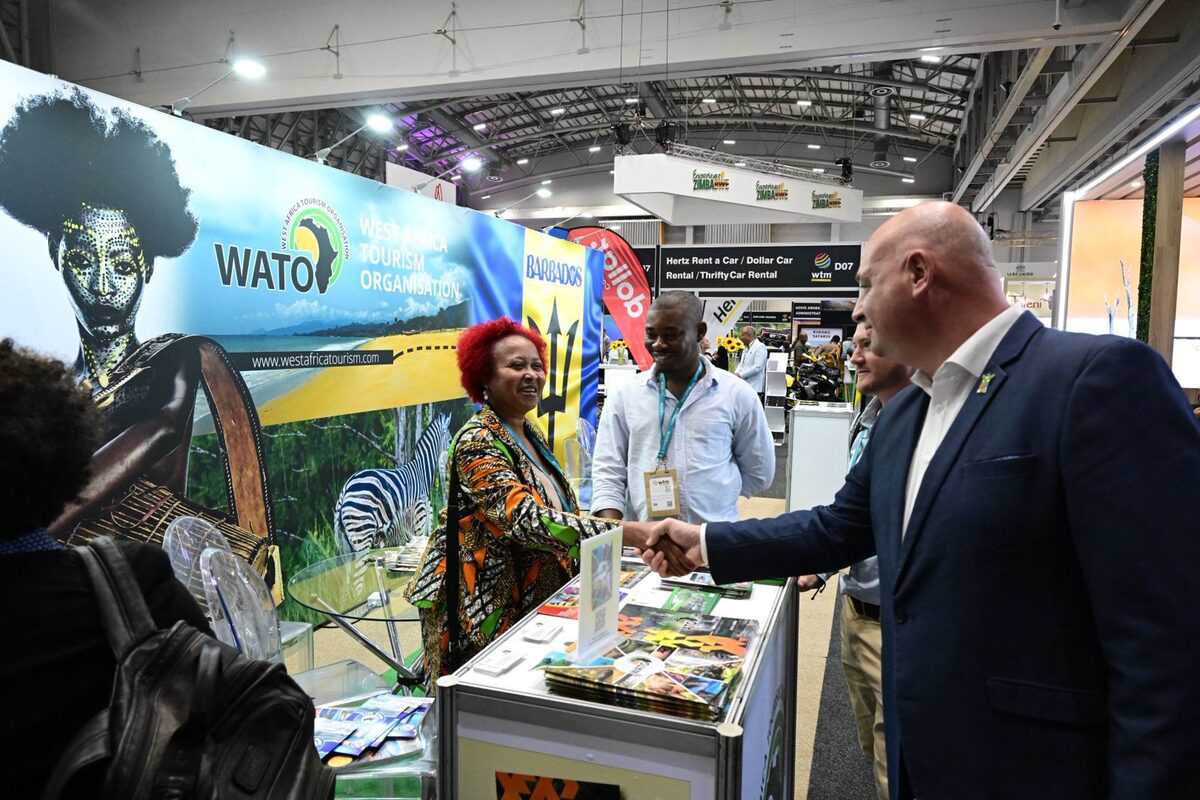
Unveiling the City’s tourism ambitions at the opening of World Travel Market (WTM) Africa 2026 in Cape Town, Vos positioned the City’s upcoming Tourism Framework as a “game-changer” that will define Cape Town’s next phase of growth.
The plan, currently being finalised, sets out three major targets for 2030 being 3.4 million international arrivals; R34 billion in visitor spending and a doubling of tourism jobs to over 200 000.
Momentum set
These goals, Vos indicated, are not aspirational alone, but built on strong momentum already achieved.
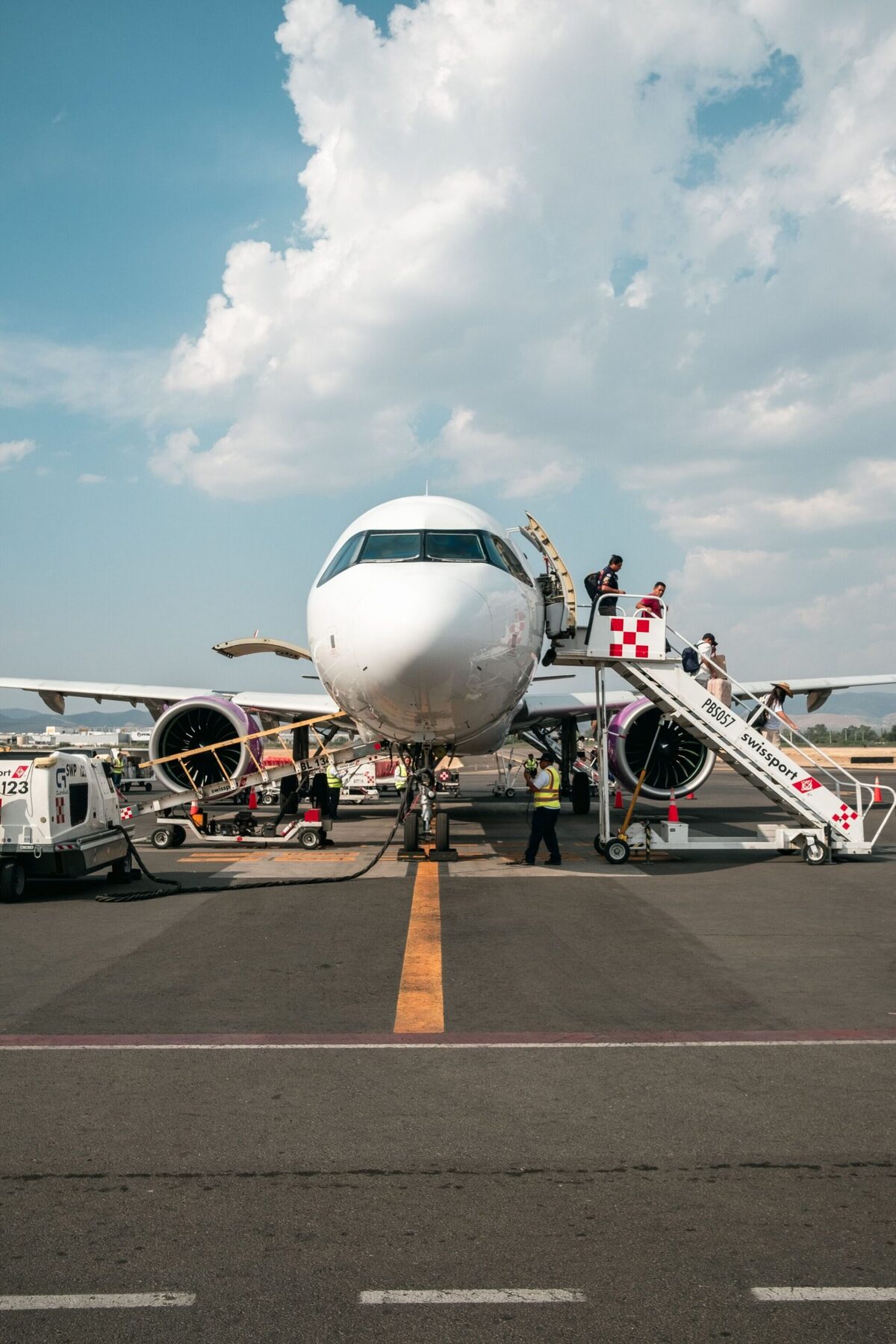
Since 2022, Cape Town has significantly expanded its global connectivity, growing from 184 to more than 230 international flights per week during peak season. This has supported a steady rise in tourism employment, from just over 89 000 jobs in 2022 to more than 106 000 in 2024, now accounting for close to 7% of the city’s workforce.
Addressing a global audience of tourism professionals, Vos stressed that tourism must be understood as a core economic sector.
“Behind every arrival is an economic opportunity, for a business, for a worker, and for a community,” he said, reinforcing the link between visitor growth and job creation.
He also highlighted the City’s aggressive destination marketing strategy, including the “This is Cape Town” campaign, which has taken the city’s brand to 55 cities across six continents. With a strong focus on conversion rather than awareness alone, the campaign has contributed to record passenger numbers, with Cape Town International Airport surpassing 11 million two-way passengers in the past year.
READ ALSO: Vos outlines Cape Town’s tourism strategy ahead of global campaign launch
Multi-year deal secured
Vos further emphasised the strategic importance of hosting WTM Africa, confirming that Cape Town has secured the event through a multi-year agreement.
With more than 100 countries represented and 8 000 trade professionals actively doing business, he described the event as a direct investment into the city’s future tourism pipeline, driving bookings, partnerships, and long-term demand.
But it was the 2030 outlook that defined the tone of the address. Vos made it clear that the next phase of tourism growth will focus not only on scale, but on impact, ensuring that more communities benefit from the visitor economy.
The forthcoming Tourism Framework, he said, will prioritise inclusion, resilience, and sustainability, while accelerating growth across key source markets and strengthening Cape Town’s position as a leading global destination.