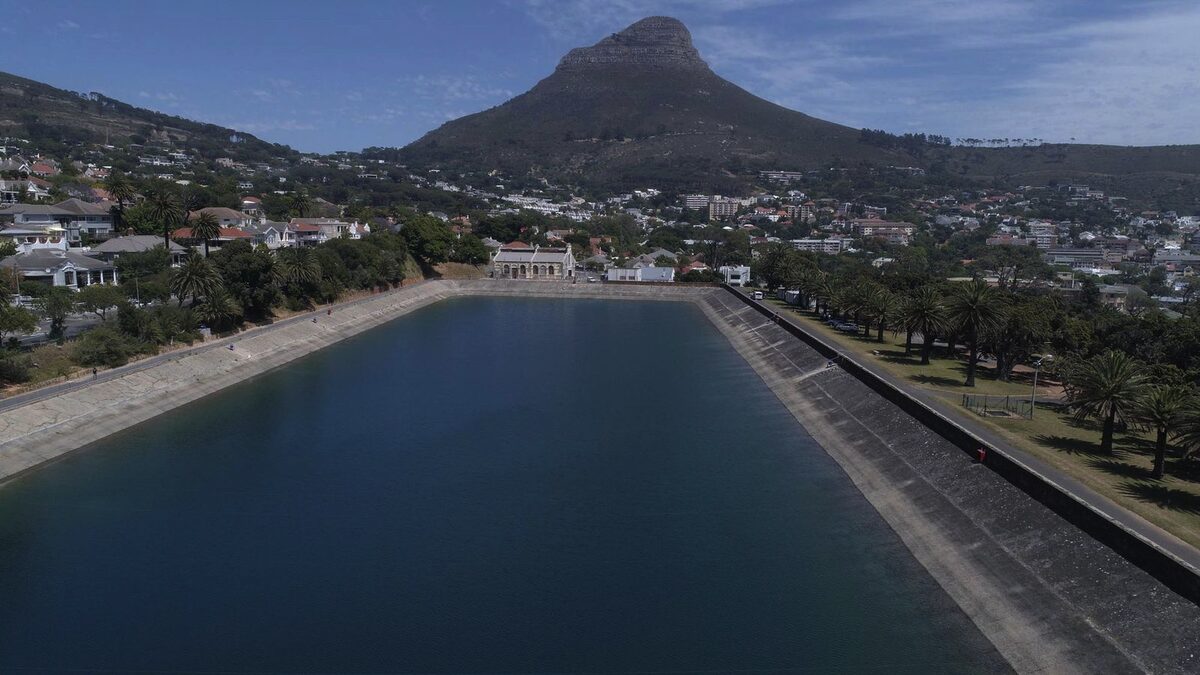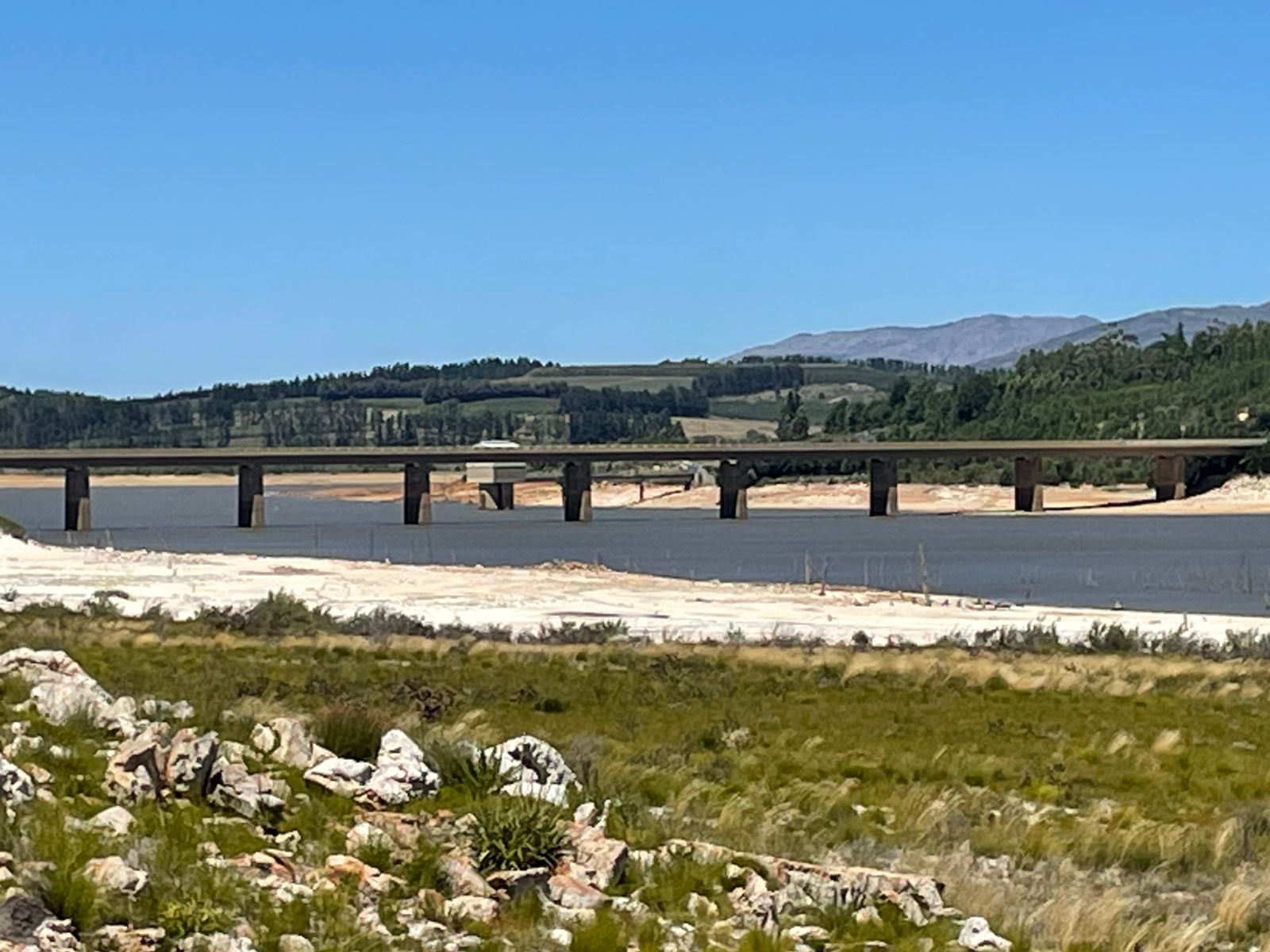
CAPE TOWN – The recent rain has not pushed Cape Town out of the drought danger zone.
The City of Cape Town has said water consumption has decreased following conservation efforts, but it remains above the targeted 975 megalitres per day (MLD). Officials have urged residents to maintain water-saving practices through the summer months.
With dam levels sitting 20% lower compared to the same period last year and unpredictable rainfall patterns continuing, the City of Cape Town is calling for sustained water-wise behaviour to help manage supply until winter.
“It’s good to see the usage figures come down. Thank you for being water wise. Let’s continue to do so, so we can get below the target,” said Zahid Badroodien, Mayco member for water and sanitation.
“It takes all hands on deck to bring down our water usage, which has been way over the target of 975 MLD. This target has been set to help us collectively manage our supply until winter.”
No immediate concern but vigilance required
While Badroodien emphasised that there is no immediate cause for concern about water security in Cape Town, he cautioned against complacency. “With dam levels being 20% lower compared to last year, and unpredictable rainfall, we have to use water responsibly and be water wise at all times, especially this summer,” he said.
ALSO READ: Western Cape water levels drop: DWS urges residents to conserve water
“While there is no immediate cause for concern about water security in Cape Town, let us not be complacent and take our current supply for granted. All of us use water, so we all have to save where we can.”
Water-saving measures
The City has outlined several practical steps residents can take to reduce consumption.
- Find and fix leaks: Dripping taps, leaking toilets and faulty plumbing can waste significant amounts of water if left undetected.
- Monitor usage: With 70% of the city’s water used in homes, household conservation is critical. Water gardens at night to prevent evaporation and avoid unnecessarily topping up swimming pools.
- Report municipal pipe bursts: Residents can report leaks or burst pipes by calling 086 010 3089 (option 2), SMS to 31373, WhatsApp to 060 018 1505, or email water@capetown.gov.za. The City requests exact locations and reference numbers for all reports.
- The City also promotes treated effluent re-use for industrial irrigation and construction purposes, supplying this alternative to large water users including industry, sports clubs, golf clubs, developments and schools.
More water-saving tips are available at www.capetown.gov.za/savewater, along with the City’s action plan for building Cape Town’s water-secure future.
- Western Cape State of Dams: 51,20% (69,80% 2025)
- Theewaterskloof Dam (the largest in the Western Cape) 53,40% (75,80% 2025)
- Steenbras Dam (upper): 69% (94,70% 2025)
- Steenbras Dam (lower): 50% (65,80% 2025)
- Berg River Dam: 53,45% (75,90% 2025)
- Wemmershoek Dam: 67,50% (69,30% 2025)
ALSO READ: Government declares drought a national disaster as water resources dwindle across multiple provinces