


The dressing room atmosphere said it all. Pakistan’s players sat in stunned silence, another India defeat carved into their World Cup history, this one particularly brutal, particularly painful. A 61-run hammering that head coach Mike Hesson admitted left his squad “hurting” after arch-rivals India delivered a masterclass in Colombo on Sunday.
For Hesson, it is becoming an unwanted pattern. Four consecutive defeats to India, following three at last year’s Asia Cup, and now this crushing loss in the T20 World Cup Group A clash at the R. Premadasa Stadium. The statistics tell a damning story: Pakistan’s World Cup record against India now stands at a woeful 1-8.
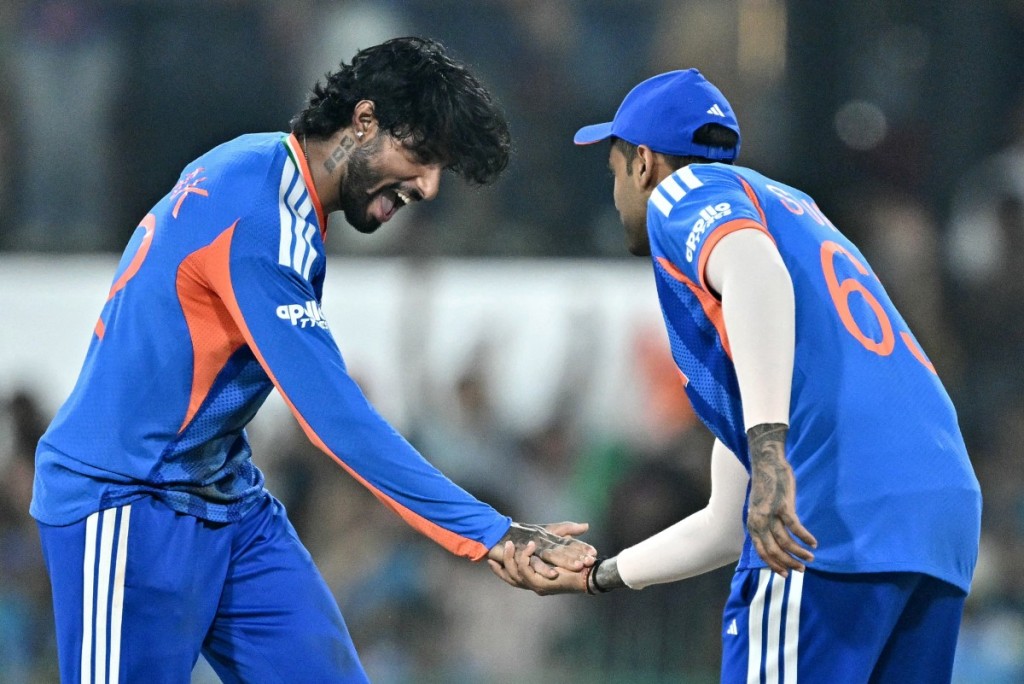
“There’s a pretty disappointed dressing room in there at the moment, because they know how much it means to Pakistan,” Hesson confessed after watching his side capitulate for 114 in response to India’s fighting 175/7.
“We know that it’s a huge event, Pakistan against India.”
The match itself, which remained in doubt until days before when the Pakistan government finally cleared the team to play, showcased exactly why India are the defending champions. After being sent in to bat on a challenging, tacky surface, the men in blue demonstrated resilience and firepower in equal measure.
ALSO READ: Bennett and Muzarabani inspire monumental Zimbabwe victory
Ishan Kishan proved the architect of Pakistan’s downfall with a brilliant 77 that rescued India from the early dismissal of explosive opener Abhishek Sharma in the first over. The left-hander seized control, manipulating the strike and dispatching Pakistan’s bowlers with clinical precision. Suryakumar Yadav chipped in with a typically inventive 32, whilst Shivam Dube’s muscular 27 provided the late impetus to push India past 175.
“The way Kishan played, he took the game away from us,” Hesson acknowledged, defending his controversial decision to bowl first despite three previous matches at the venue being won by teams batting first.
“I think the ball was spinning quite a lot initially and we started off well.”
Whatever confidence Pakistan harboured from their five-match winning streak evaporated under the Colombo lights. The chase descended into chaos almost immediately as Jasprit Bumrah, India’s death-bowling specialist, produced a devastating second over that ripped the heart from Pakistan’s batting order.
Saim Ayub departed for six, then skipper Salman Agha followed for four, leaving Pakistan in trouble at 13/3. The top-order collapse proved fatal. Despite Usman Khan’s defiant 44, Pakistan never recovered, bundled out in just 18 overs for their third-lowest total against India in T20 cricket.
“Today we got outplayed,” Hesson admitted with refreshing honesty.
No excuses, no deflection, just the brutal acknowledgement that Pakistan were second-best in every department.
India’s third consecutive victory propelled them into the Super Eights stage with a game to spare, their clinical efficiency a stark contrast to Pakistan’s mounting pressure. Hesson’s side now face a must-win scenario against Namibia on Wednesday, with the coach attempting to rally his troops after the psychological blow.
“We have to pick ourselves up and make sure that we’re very good in two or three days,” said Hesson, clinging to the memory of Pakistan’s pre-tournament form.
“We have played some good cricket in the lead-up to this World Cup so we’re confident to do well in the tournament.”
Yet confidence is a fragile commodity when India are the opposition. The head-to-head record speaks volumes about Pakistan’s mental block against their greatest rivals. Eight consecutive World Cup defeats to India, across both formats, suggests this runs deeper than form or tactics.
The India-Pakistan rivalry delivers drama like no other sporting contest, but for Pakistani cricket fans, Sunday’s result felt horribly familiar, another painful chapter in a World Cup story that refuses to change its ending.




You must be logged in to post a comment.