

The City of Cape Town says the Metro Police Strategic Surveillance Unit (SSU), now in its 25th year, manages nearly 1 200 CCTV cameras across the metropole. This Cape Town camera technology plays a crucial role in crime detection.
In its latest report, the City said that between 1 July 2024 and 30 June this year, the CCTV system detected 59 526 incidents. This was a 35% increase compared with the previous financial year, showing the effectiveness of Cape Town’s approach to the camera technology in crime detection.
Of those incidents, the City said 27 059 were criminal incidents, which it said resulted in 458 arrests.
The City reported that the arrests included 75 for driving under the influence linked to accidents. There were also 27 arrests for theft out of motor vehicles. Additionally, there were 23 arrests for cable theft and 154 for possession or dealing in drugs.
“In recent years, we have managed to grow the City’s CCTV footprint, reduce camera outages, and increase the number of incidents detected,” said JP Smith, Mayoral Committee Member for Safety and Security. “While these cameras are often viewed as tools in the fight against crime, they do much more. They trigger emergency responses where victims cannot call for help, identify threats before incidents occur, and deter anti-social behaviour.”

The SSU is overseeing the installation of cameras and related infrastructure valued at nearly R14,4 million. This is during the current financial year. The City said communities expected to benefit include Langa, Beacon Valley, Brown’s Farm, Macassar, Morningstar, Durbanville, Electric City and Malibu Village. These areas will benefit from enhanced crime detection due to advancements in Cape Town camera technology.
The City also said it has expanded aerial monitoring, including drones, to support enforcement operations. Cape Town’s innovative approach to camera technology and crime detection includes aerial surveillance for enhanced effectiveness.
“In one of our most viewed clips earlier this year, a drone followed a suspect hiding alongside the R300 and led officers directly to him and the illegal firearm he had in his possession,” said Smith.
Body Worn and In-Vehicle Cameras
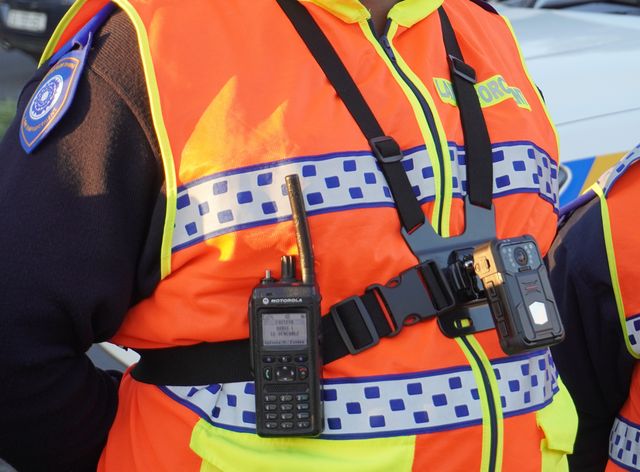
The City said more than 300 in-vehicle cameras are currently in use, mainly by Traffic Services. Two years ago, the Directorate began rolling out Body Worn Cameras (BWCs). During the first phase, 1 250 devices were distributed to enforcement staff. An additional 1 000 cameras are being deployed this year, the City said. This increase reflects Cape Town’s investment in camera technology for improved crime detection.
A standard operating procedure sets out training requirements and how footage is to be handled. The City said footage is stored using a Digital Evidence Management Solution. It may only be accessed by authorised personnel to preserve the chain of custody.
“Video footage can help identify suspects, support prosecutions, and provide an impartial account of interactions between officers and the public,” added Alderman Smith. “It protects both the public and our staff, and offers valuable insight into enforcement challenges and public education.”
The City said the increased use of camera technology in Cape Town forms part of its broader approach. The aim is to improve visibility and enhance accountability. Moreover, it seeks to improve rapid response times through this camera technology framework, crucial for effective crime detection in Cape Town.
Residents can report crime or suspicious activity to the City’s Public Emergency Communication Centre. Use 021 480 7700 from a cellphone or 107 from a landline.



You must be logged in to post a comment.