LONDON – Descendants of some of Britain’s most prominent families who profited from slavery are supporting calls for reparations, adding their voices to a growing Caribbean campaign seeking recognition and redress for the lasting impact of the slave trade.
Members of the Gladstone, Lascelles and Trevelyan families, whose ancestors accumulated wealth through plantations in the Caribbean and South America, have joined efforts to support what campaigners describe as reparative justice.
Laura Trevelyan, a former BBC journalist, said she was unaware of her family’s links to slavery until she discovered archival records showing that members of the Trevelyan family had received compensation after Britain abolished slavery in 1833.
“I was clueless,” she told AFP, describing how she found records of compensation claims relating to plantations on the Caribbean island of Grenada.
The discovery prompted Trevelyan to publicly apologise in Grenada in 2023 and co-found the Heirs of Slavery group, which supports efforts to address the legacy of slavery.
Families contribute towards reparations
Trevelyan and members of her family have contributed about £100,000 in voluntary personal reparations, earmarked for educational projects.
She said people she met during her efforts had encouraged her to apologise and make financial contributions.
Charlie Gladstone, a co-founder of the group and a descendant of former British prime minister William Gladstone, also apologised publicly in Guyana in 2023.
His ancestor, John Gladstone, was among the major slave owners in the British West Indies.
Another member of the group is David Lascelles, the Earl of Harewood, whose family has longstanding connections to Britain’s royal circles and accumulated wealth through Caribbean sugar plantations.
The debate has also drawn attention to the historical links between plantation owners and the descendants of enslaved people. A portrait of actor David Harewood hangs at Harewood House in northern England, after research established that his ancestors had worked on plantations owned by the Lascelles family in Barbados.
Caribbean nations continue to demand action
The British government reiterated its opposition to calls for slavery reparations in September.
While members of the modern royal family have expressed remorse over slavery and colonialism, no official apology has been issued.
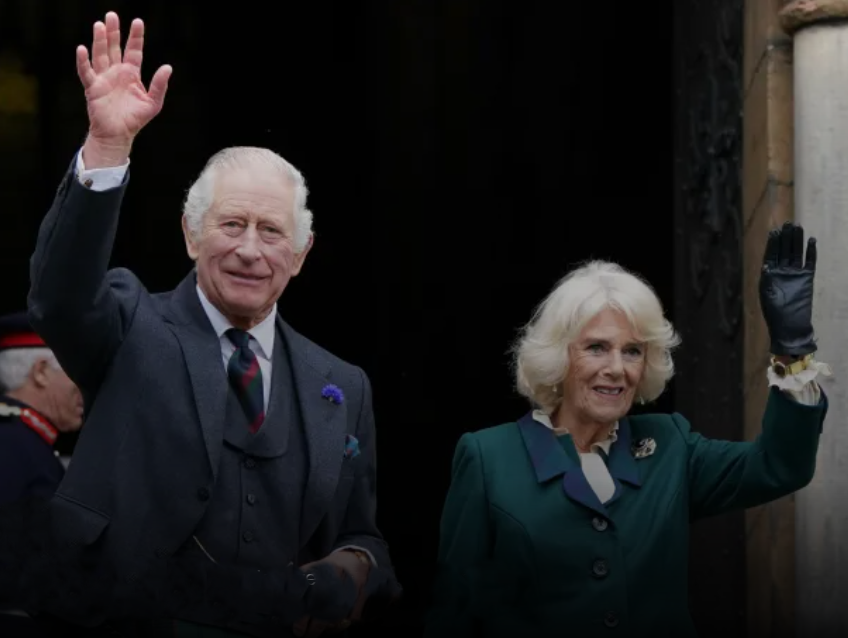
The issue is expected to feature during King Charles III’s Caribbean tour, which begins on Tuesday and includes visits to the Bahamas, Guyana and Antigua and Barbuda, where he is due to address the Commonwealth Heads of Government meeting.
Buckingham Palace has indicated that the King will acknowledge the “darkest days” of colonial rule and slavery during the visit.
Guyana’s President Irfaan Ali has said his country will continue to advocate for reparations, describing slavery as “the worst indignity to humankind”.
Ali has called for a mature discussion on apologies and reparations, pointing to possible measures including debt relief, funding for education and healthcare, and support for climate adaptation.
The Caribbean Community’s Reparations Commission has also called for monetary compensation, debt cancellation and a full apology as part of its Ten-Point Plan.
Meanwhile, Jamaica has filed a petition that is due to be heard by Britain’s Privy Council next year. The case asks whether the capture, transportation and enslavement of Africans in Jamaica were legal under English law and whether the United Kingdom owes Jamaicans a reparatory remedy.
Not all descendants support reparations
Despite growing support from some descendants of slave-owning families, the issue remains contested.
Richard Drax, a former Conservative Party lawmaker and British landowner whose ancestors established Drax Hall Estate in Barbados in the 17th century, has opposed reparations.
Hilary Beckles, chair of the Caricom Reparations Commission, has highlighted the Drax family’s historical links to plantations in Barbados and Jamaica. He has estimated that as many as 30,000 enslaved people died on plantations associated with the family over two centuries.
Drax has described his ancestors’ role in the slave trade as “deeply, deeply regrettable”, but has argued that people living today cannot be held responsible for events that occurred hundreds of years ago.
Paul Lashmar, author of Drax of Drax Hall: How One British Family Got Rich (and Stayed Rich) from Sugar and Slavery, said the family was unusual because it still owned a plantation established during the early period of British colonial slavery.
Lashmar argued that the debate over reparations would remain difficult to resolve while wealth accumulated through slavery continued to benefit descendants.
As Caribbean governments pursue legal and diplomatic avenues for reparations, the involvement of some British descendants of slave-owning families has added another dimension to a debate over historical responsibility, financial redress and the enduring consequences of slavery.
ALSO READ: The prickly issue of financial compensation for slavery