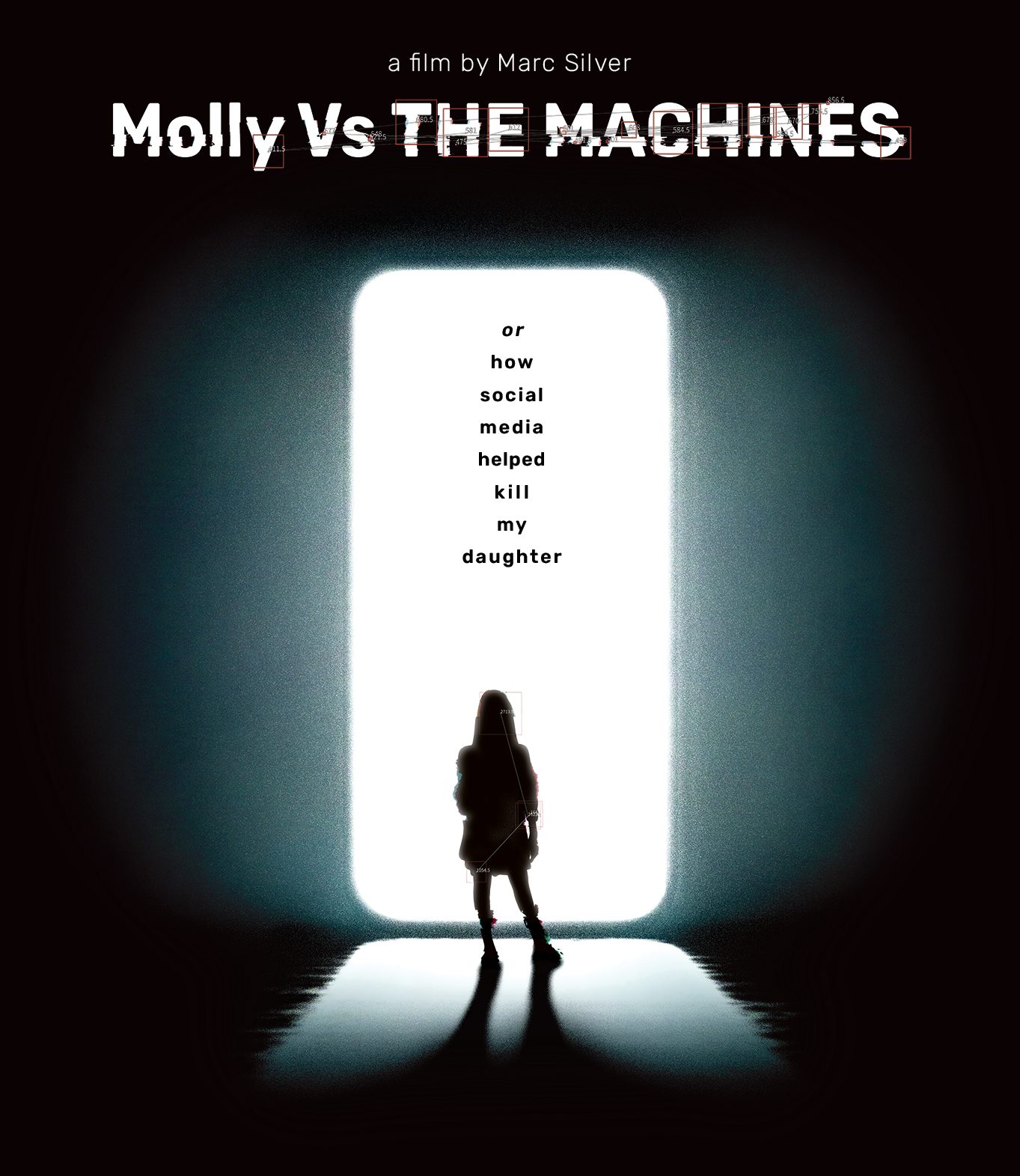
LONDON, England – The father of a British teenager who took her own life after viewing pro-suicide content online hopes a new documentary about her death will inspire legislative change to hold big tech companies accountable.
Ian Russell’s 14-year-old daughter Molly died in 2017, with a coroner concluding five years later that she had died from an act of self-harm while suffering from the “negative effects of online content”.
The documentary “Molly vs the Machines” premiered in British cinemas on 1 March, recounting Russell’s quest to hold “digital systems designed for profit” accountable for his loss.
Harmful algorithms targeted vulnerable teen
The inquest into Molly’s death heard that of the 16 300 posts she saved, shared or liked on Instagram in the six months before her death, 2 100 related to depression, self-harm or suicide.
Her engagement with pro-suicide content increased towards the end of her life, until “this intelligent, caring, beautiful person had been persuaded she was worthless”, her father said.
“How Molly of all people could ever have been convinced of that, for those of us lucky enough to have known her, is just baffling,” Russell added.
Widespread exposure to harmful content
Research published in October by the Molly Rose Foundation, a suicide prevention charity founded by Russell, showed 37 percent of children aged 13-17 had seen at least one type of high-risk content relating to suicide, self-harm, depression or eating disorders during the week they were surveyed.
According to the data, 27 percent of those children said they had viewed such content at least 10 times that week.
Legislative progress welcomed but insufficient
The foundation has welcomed legislation by UK Prime Minister Keir Starmer’s government, calling a decision to ban AI chatbots from generating illegal or harmful content a “welcome downpayment”.
However, it said the Online Safety Act, which legally obliges tech companies to better safeguard children and adults online, could go further by requiring greater transparency from platforms and using separate age limits for different tools such as AI chatbots.
Education over bans
Russell favours digital education and platform reform over social media bans for children, arguing that Australia’s under-16s block only covers 10 platforms and might push minors to more dangerous fringe sites.
ALSO READ: Expert, parents back social media ban for SA’s under-16s
The foundation advocates for “fundamentally repurposed” algorithms that promote healthy content from trusted sources instead of “harmful and toxic material”, and better digital education at schools.
Hope for accountability
Russell sees hope in recent developments, including Meta CEO Mark Zuckerberg addressing platform safety before a jury in a California social media addiction trial, and Britain’s media regulator Ofcom opening a probe into X for failing to meet safety obligations.
ALSO READ: Mark Zuckerberg grilled over underage users at social media trial
“If leaders are brave enough to stand up and lock antlers with the barons of big tech, then change will happen,” Russell said.