
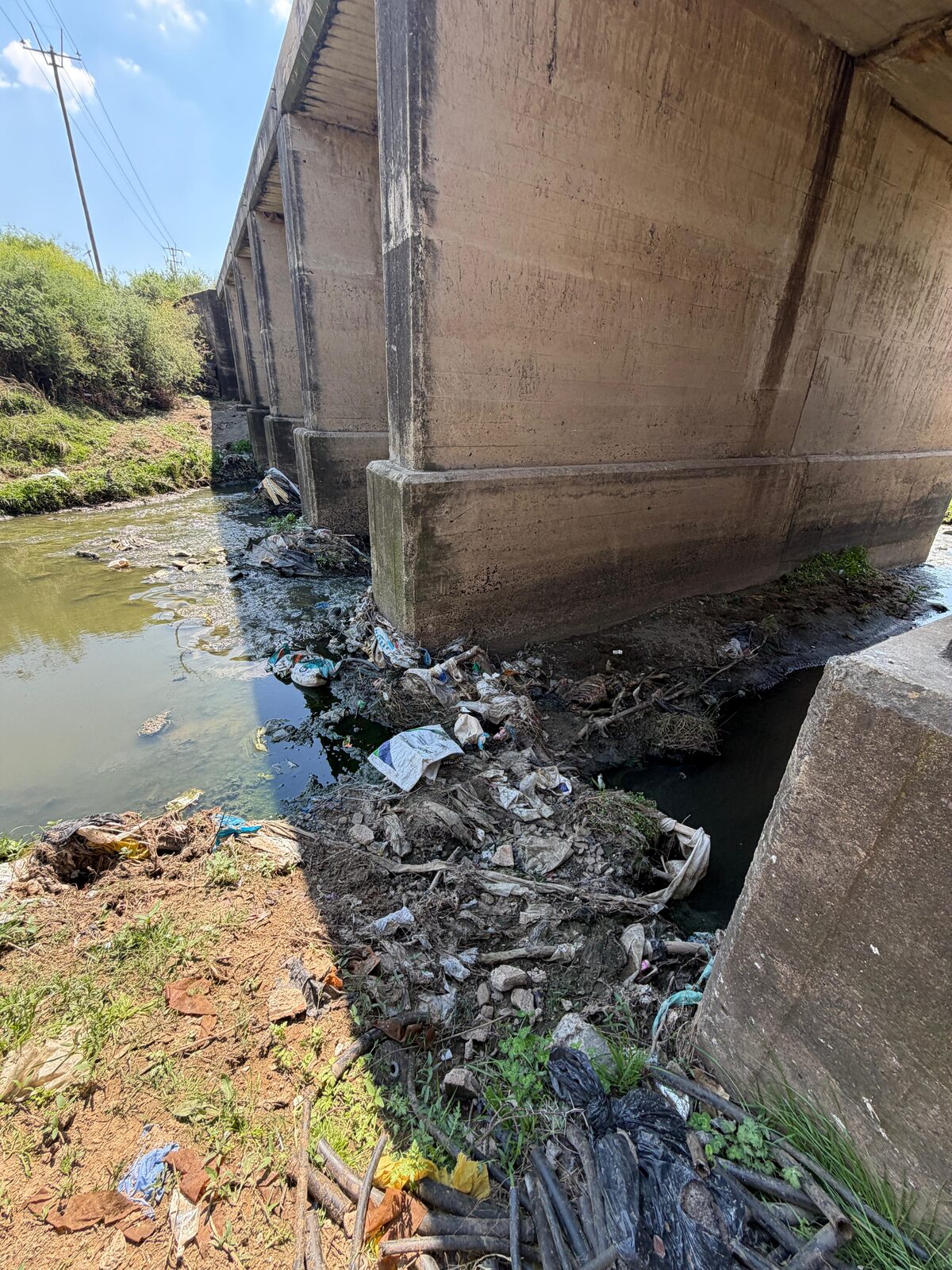
Armed security is vital to protect vandalised and poorly maintained sewage plants in Mangaung which should be refurbished to ensure untreated sewage stops polluting local rivers.
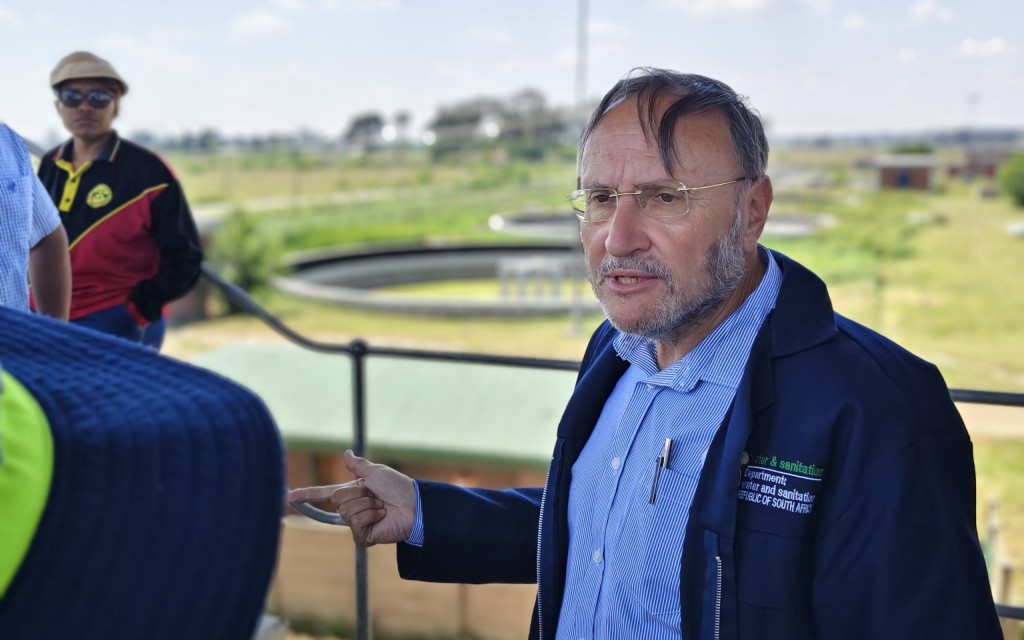
This was the opinion of Deputy Minister of Water and Sanitation Dr Jack Bloom during onsite visits to two of the dilapidated water treatment plants in Mangaung on Monday 12 October.
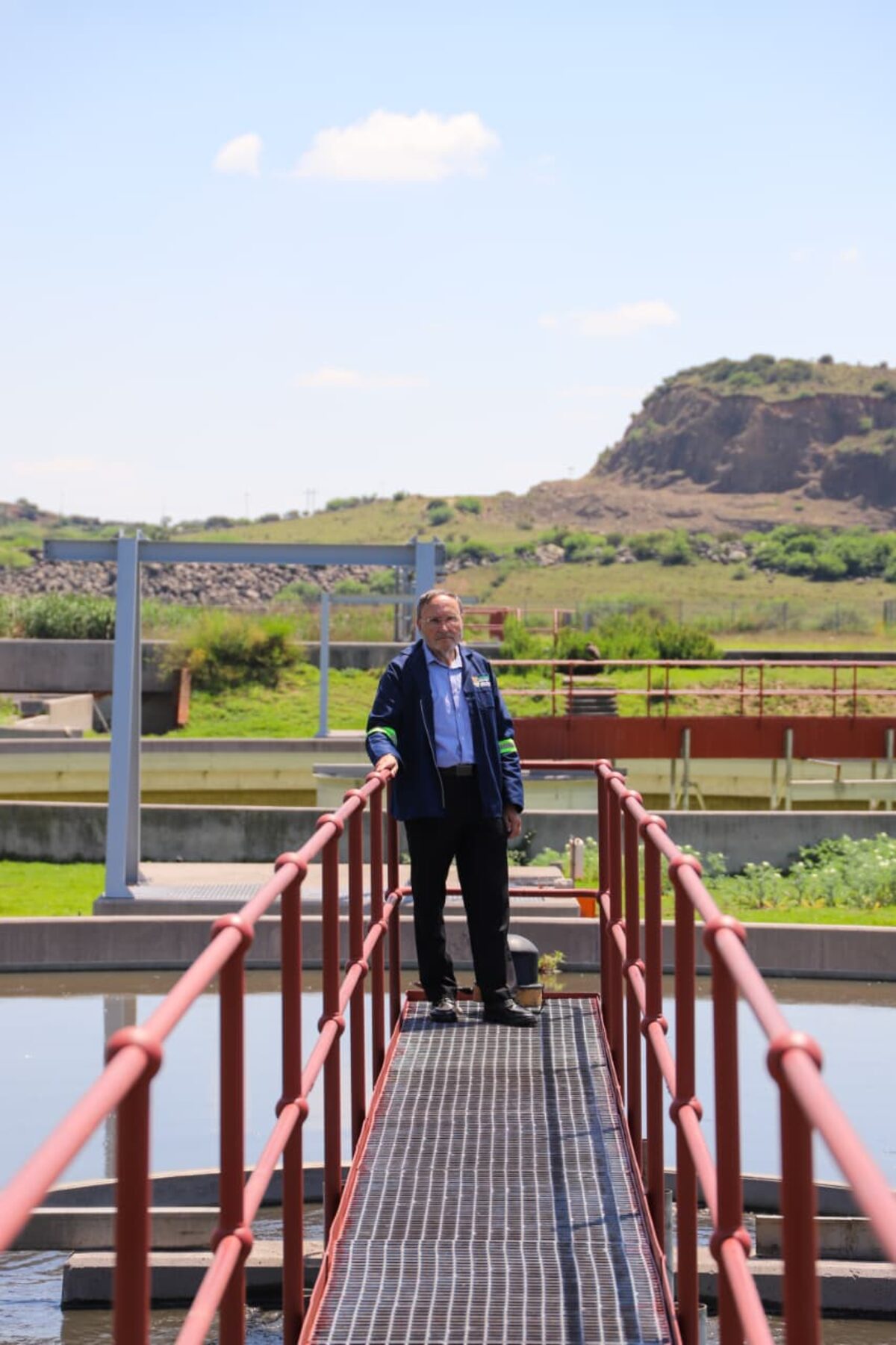
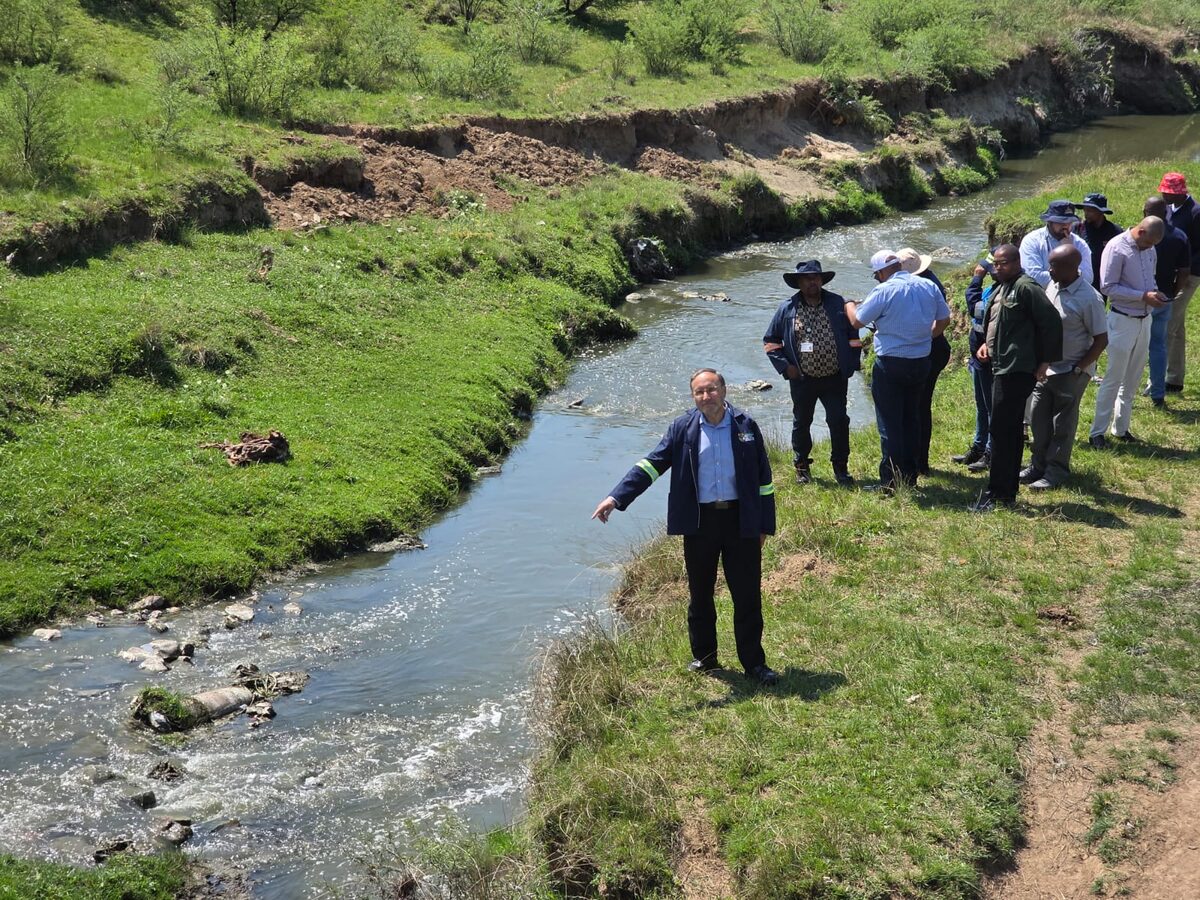
Botshabelo Waste Water Treatment Plant. PHOTO: Supplied
The Botshabelo Wastewater Treatment Works (WWTW) is non-functional due to stolen cables and vandalised pump stations.
Sewage flows through the plant and ends up in the Klein Modder River. Bloom heard repairs costing R16,5 million are supposed to be completed by the end of December, but full operation is likely only attainable by March next year.
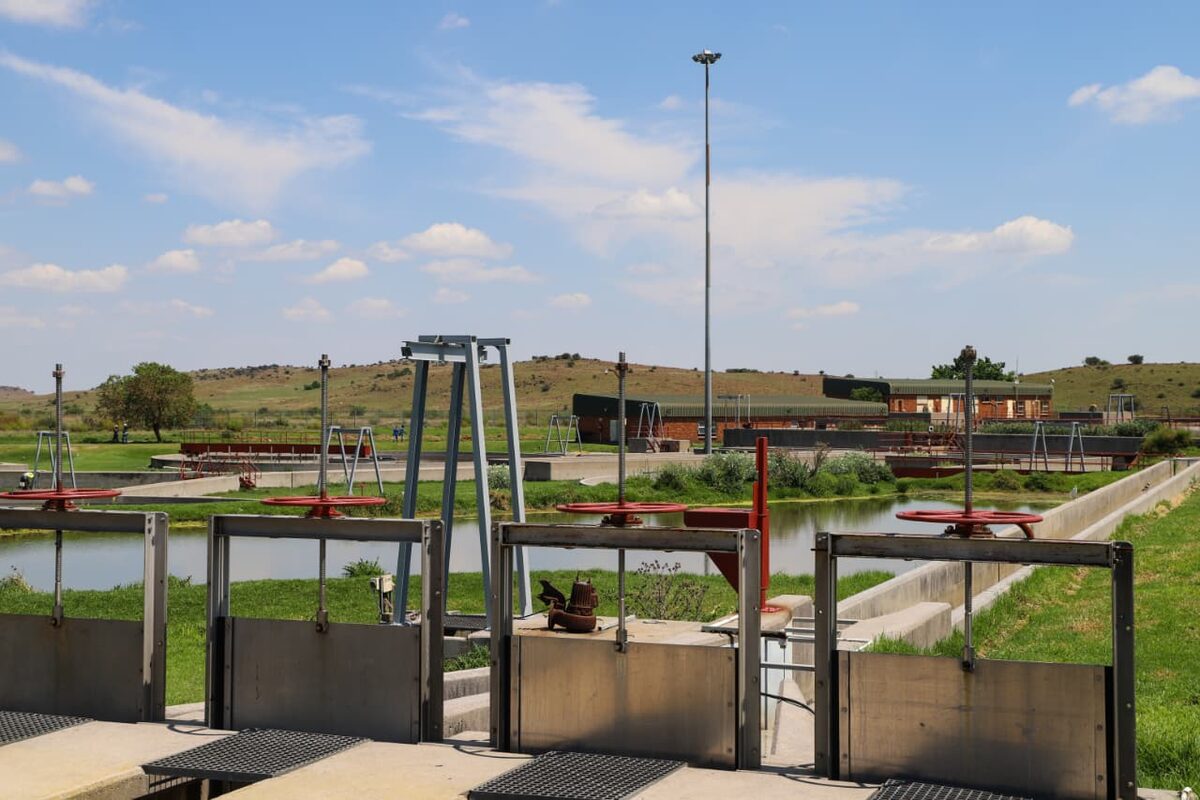
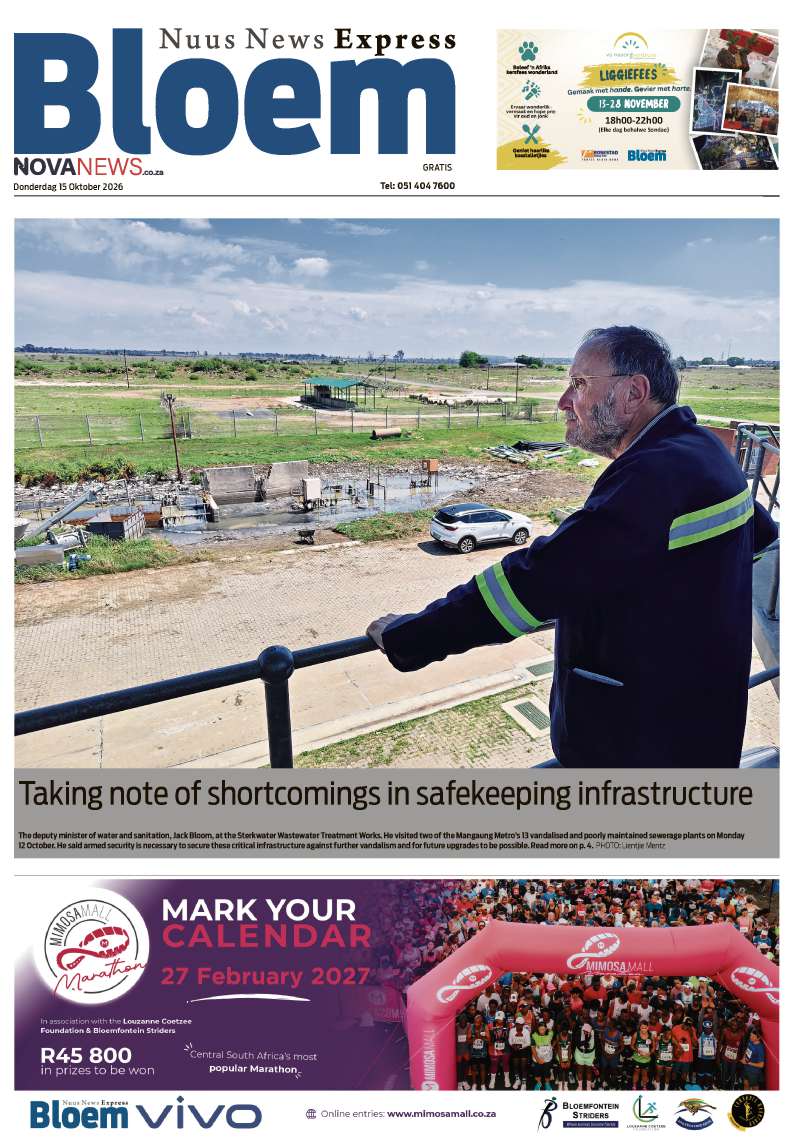
Bloom was shocked to learn that the Sterkwater Wastewater Plant is also non-functional with sewage that bypasses into the environment due to malfunctioning screw lift pumps at the inlet.
Repairs costing R25 million will restore its ability to treat 20 million litres of wastewater a day by early next year, but it needs to be upgraded to treat 35 million litres a day. Bloom heard from officials the pumps will continue to break frequently as they cannot cope with the extra volume of wastewater.
A new plant was constructed at Sterkwater 10 years ago, but never completed. The concrete structure was completed, the screws were never installed and the dams were never put into operation.
Plant needs around R600 million for full capacity
Solomzi Henge, sanitation manager of the Mangaung Metro, says reparations to restore the old plant, will be done by January.
In answer to a question by Bloom, Henge says if the money is available, the new plant can be up and running in around 18 months, with some of the equipment still required to be ordered.
ALSO READ: Bloom shocked at Bloem’s dysfunctional waste water plants
Henge said around R2 billion is needed to get the metro’s 13 water treatment plants fully operational. He said the Sterkwater plant requires around R600 million to get to the point where it is working at full capacity.
Bloom said his department laid criminal charges for pollution against the Botshabelo and Sterkwater works in April and May of 2025 after compliance directives were ignored. Water tests show alarmingly highlevels of E. coli and ammonia.
Vacancy rate a cause for concern
Further weaknesses include a vacancy rate of 44% for Sterkwater and 65% for Botshabelo.
“These vacancies need to be filled urgently to ensure these plants work at full capacity. Overall, 11 of the metro’s 13 wastewater treatment works are in a poor or critical condition. There is also a severe shortage of fleet, with only one technical maintenance team responsible for all the works plus 19 sewer pump stations,” Bloom said.
He added that he is encouraged that water and sanitation is being set up as a separate business unit in terms of the National Treasury’s Metro Trading Services Reform – this means that revenue will be ring-fenced to ensure it is reinvested back into water and sanitation instead of being spent elsewhere.
He also said he will closely monitor implementation, as further funding will be performance-based and linked to strict, independently verified operational and financial milestones.
“I am also advocating partnerships with private companies to produce biogas and fertiliser from sewage sludge.”