CAPE TOWN – The City of Cape Town has welcomed the official declaration of the Battle of Muizenberg site as a Provincial Heritage Site (PHS), describing the move as a significant step towards preserving the metro’s rich and layered past.
The site in Muizenberg was formally gazetted on Friday 27 March this year by Heritage Western Cape (HWC), following a nomination submitted by the City’s Environmental Management Department in 2024.
The application was made under Section 27(3) of the National Heritage Resources Act, with approval granted by the HWC Council in June last year.
Muizenberg site declared
The declaration formally recognises the cultural, historical and archaeological importance of the site, which spans centuries of human activity.
According to the City, the area represents a complex cultural landscape that reflects both early indigenous presence and later colonial conflict.
Eddie Andrews, Deputy Mayor and mayco member for spatial planning and environment, described the proclamation as a milestone in safeguarding Cape Town’s heritage.
Evidence found along the False Bay coastline, including shell midden material, indicates that indigenous communities used the area long before Dutch settlement in the mid-17th century.
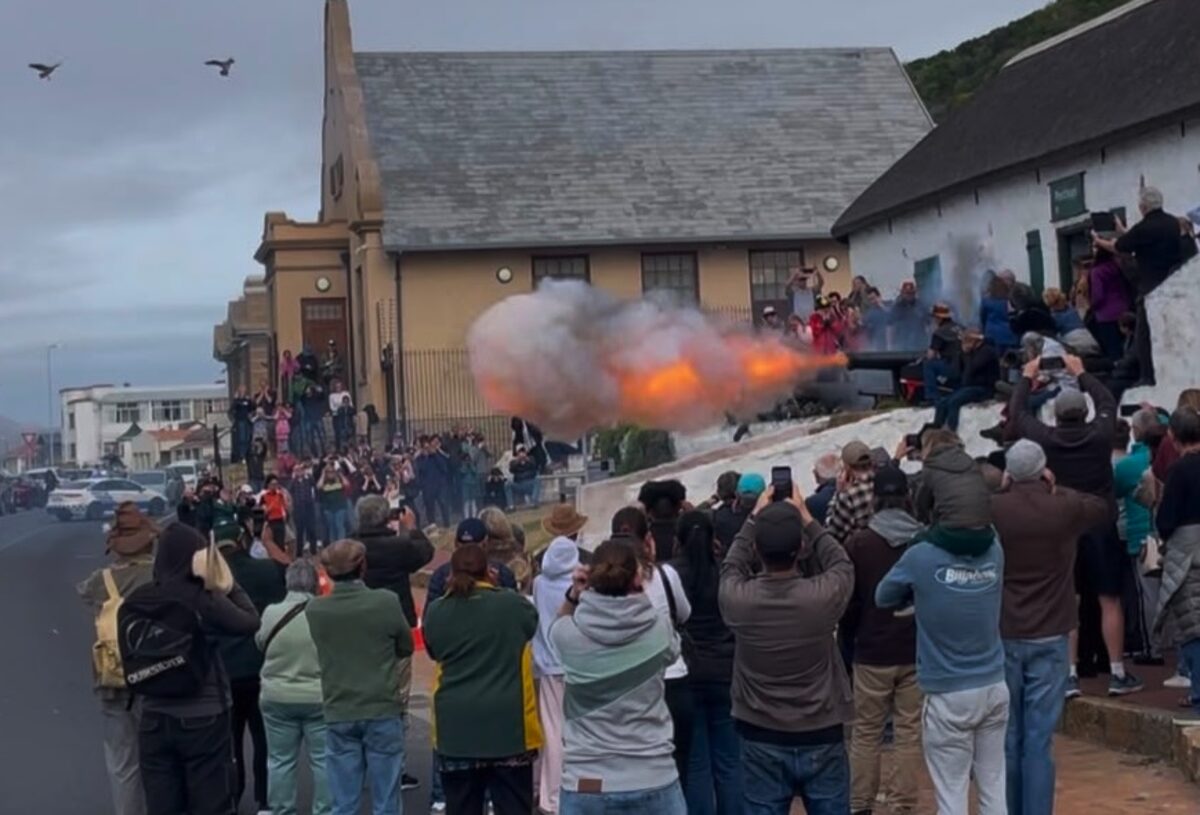
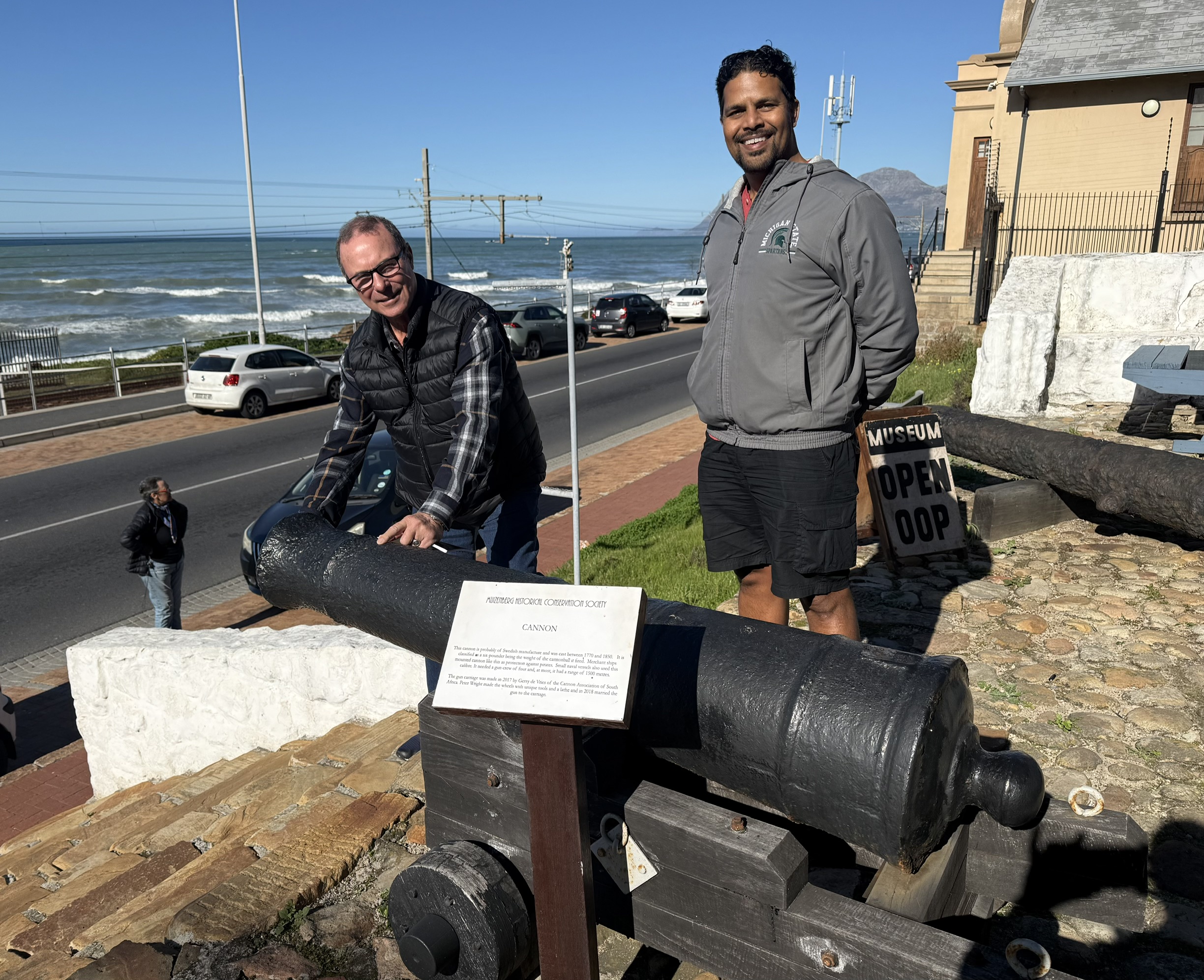
The heritage designation also protects key remnants of the 1795 Battle of Muizenberg, a conflict between Dutch and British forces that led to the first British occupation of the Cape.
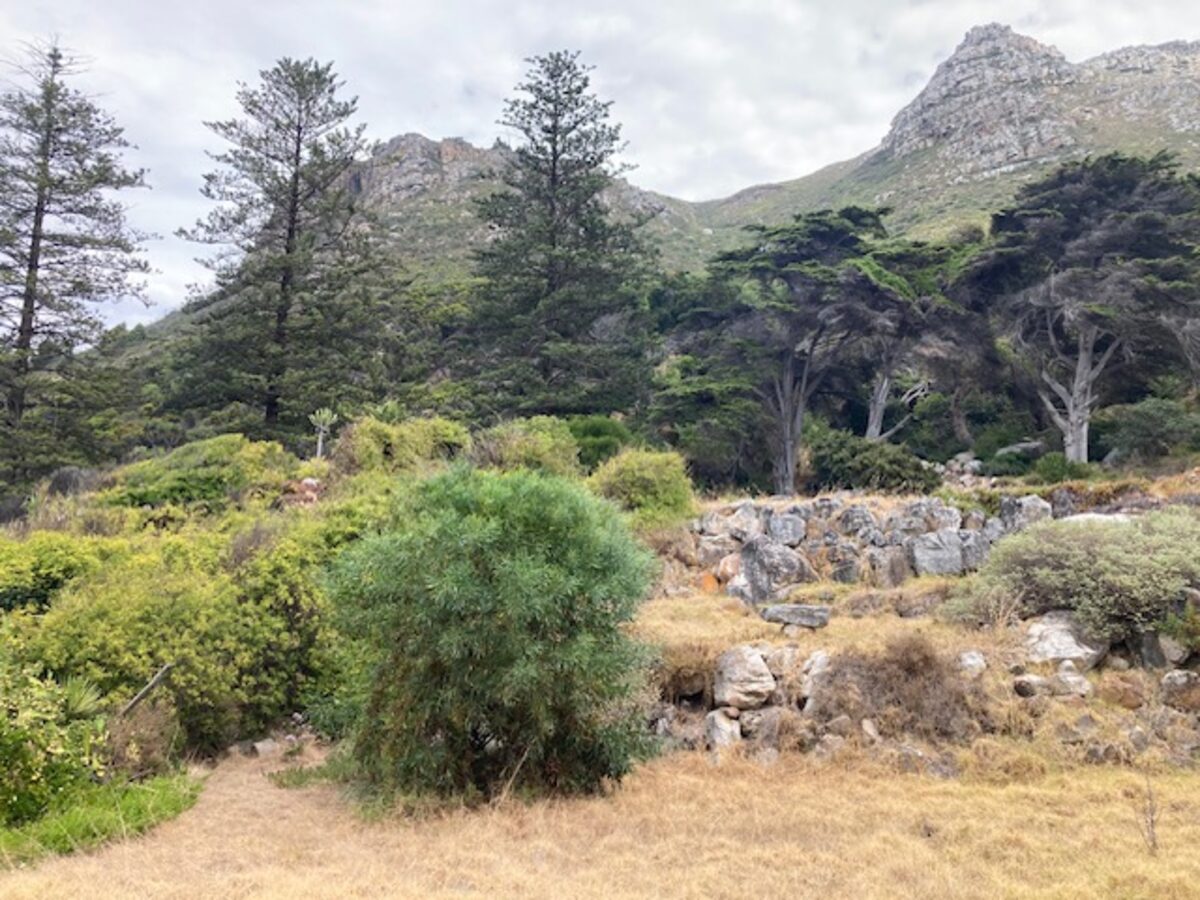
Surviving features such as stone walls, redoubts and breastworks form part of the protected landscape, offering insight into the military history of the time.
These fortifications were overseen by Louis Michel Thibault, a military engineer who later became a prominent architect in Cape Town.
The site also acknowledges the role of the Corps Pandoeren, a regiment drawn largely from the Cape coloured community, including members from the Genadendal Moravian Mission, who played a significant part in the battle.
The declaration covers a range of features, including archaeological sites, natural elements, structures and unmarked burial areas located across several erven along Muizenberg’s Main Road.
Layers of history
This comprehensive protection ensures that the site’s diverse historical layers are preserved.
In the same week, HWC also gazetted another culturally significant landmark, the Javia Mosque, as a Provincial Heritage Site.
Situated in Strand, the mosque is the oldest surviving place of worship in the area and holds deep meaning for the local Muslim community.
Constructed between 1850 and 1870 by freed slaves, the mosque stands as a symbol of resilience and faith.
Historically, it played a central role in establishing and growing Islam in the area once known as Mosterd’s Bay.
Over time, it has hosted daily prayers, Friday services, religious festivals and community gatherings, contributing to social cohesion.
Beyond its religious function, the mosque also served as an important centre for education, particularly in Quranic learning and religious instruction.
Despite facing challenges such as forced removals during the apartheid era and periods of neglect, the structure has endured as a powerful reminder of the community’s history and perseverance.
Architecturally, the building is notable as a rare example of 19th-century clay brick construction, reflecting the craftsmanship of its builders and adding to its heritage significance.
The City has commended both its Environmental Management teams and members of the public who contributed to the nomination processes for both sites. Officials emphasised that collaboration between government and communities is essential in ensuring that important cultural landmarks are preserved.
Heritage sites protected
Mark Bell from the City’s Environmental and Heritage Management branch highlighted the broader role of the department, noting that environmental and heritage management is guided by legislation, policies and active community engagement.
Lorraine Gerrans, Director of Environmental Management, stressed the importance of a shared responsibility in protecting heritage and the environment.
“We are serious about following an holistic approach to sustainability and about managing our environment in a way that enhances economic opportunities and social well-being. It is, however, not only the responsibility of the City and its partners to protect and conserve this wonderful place we call home.
Our department’s vision is to enhance, protect and manage Cape Town’s natural and cultural resources for long term prosperity; in a way that optimises economic opportunities and promotes access and social well-being.”
City officials say the recognition of sites such as the Battle of Muizenberg and the Javia Mosque reflects an ongoing commitment to honouring the past while building an inclusive future.
As Cape Town continues to grow, safeguarding these spaces is seen as vital not only for preserving history, but also for fostering a shared sense of identity and belonging.
With formal heritage status now in place, both sites will benefit from legal protection, ensuring that their historical, cultural and social significance is preserved for generations to come.
READ ALSO: Oldest local mosque in Strand defaced