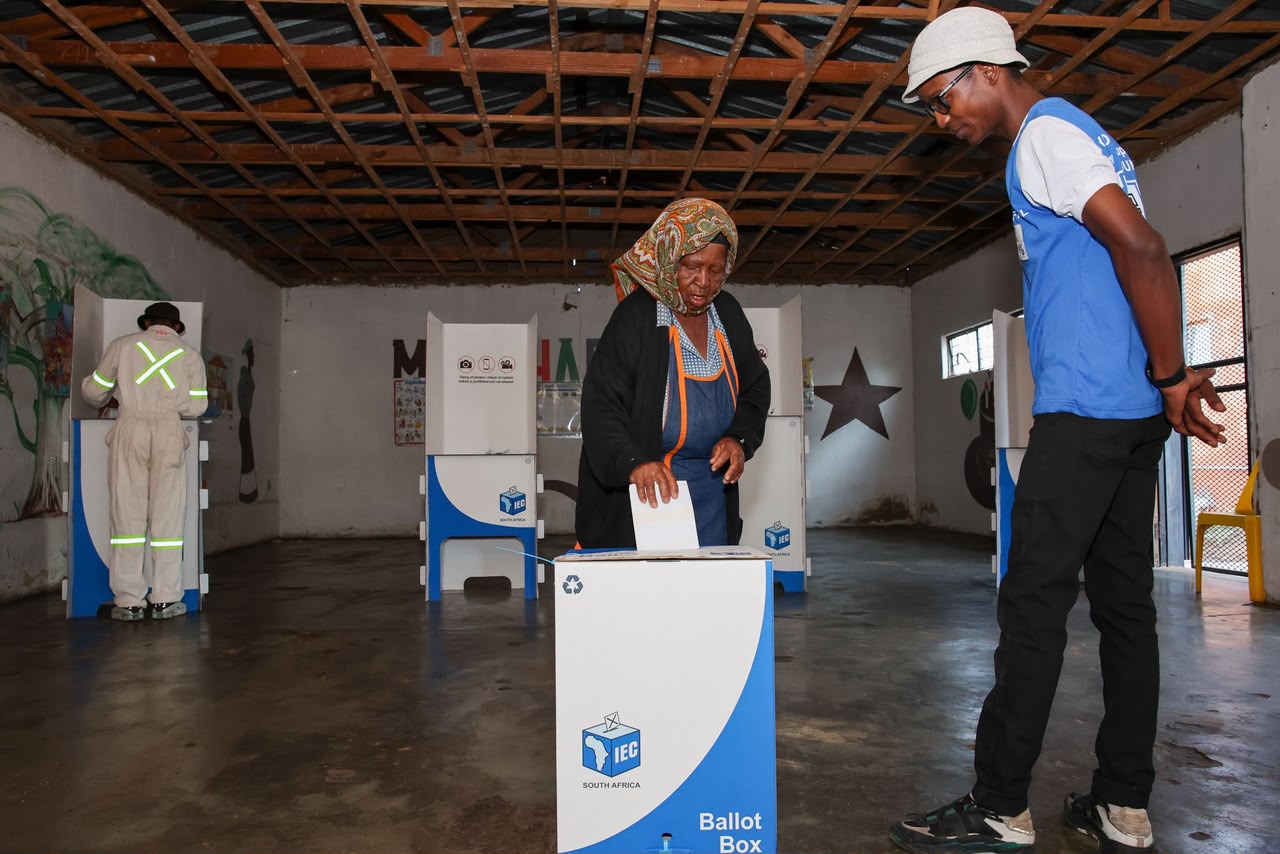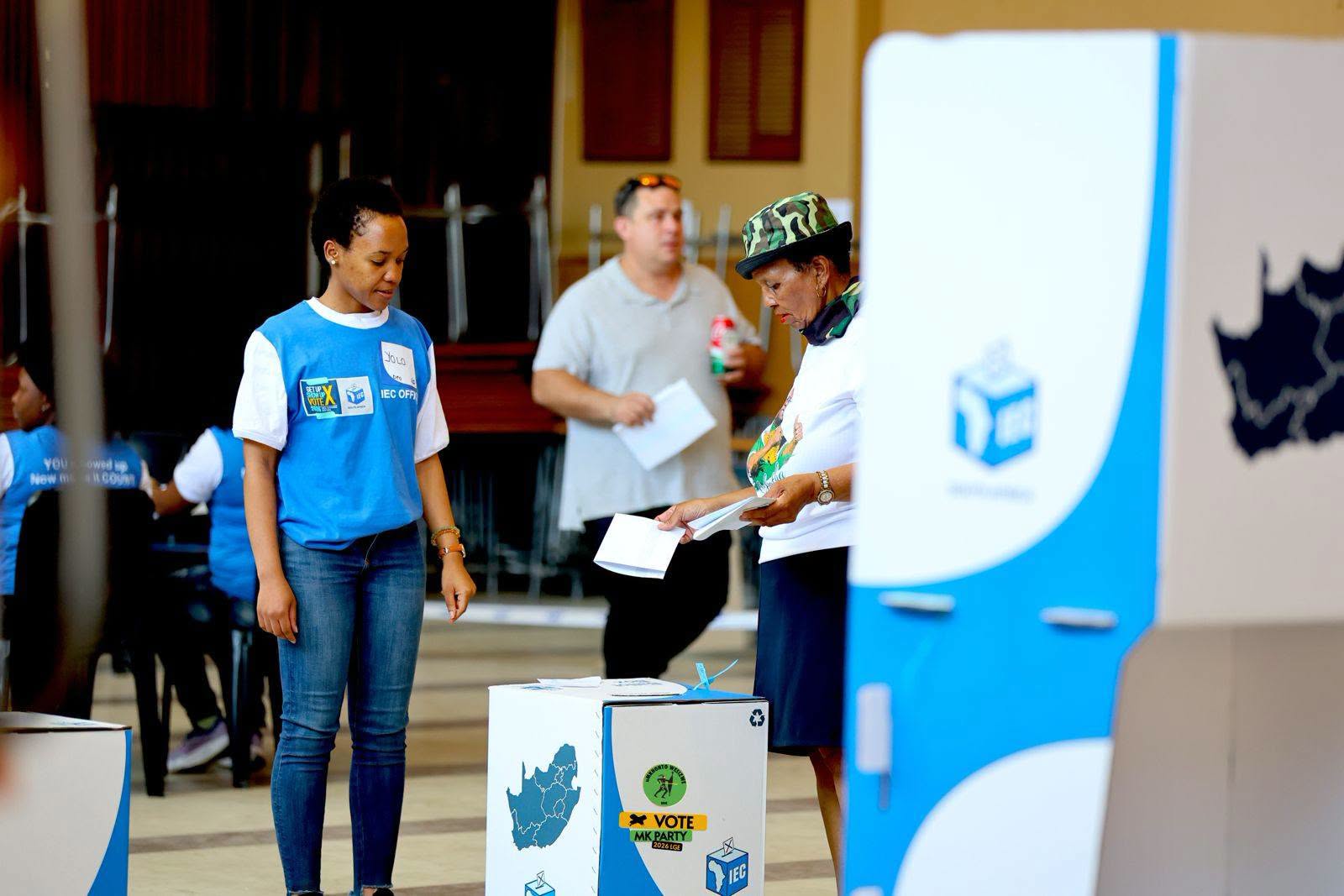
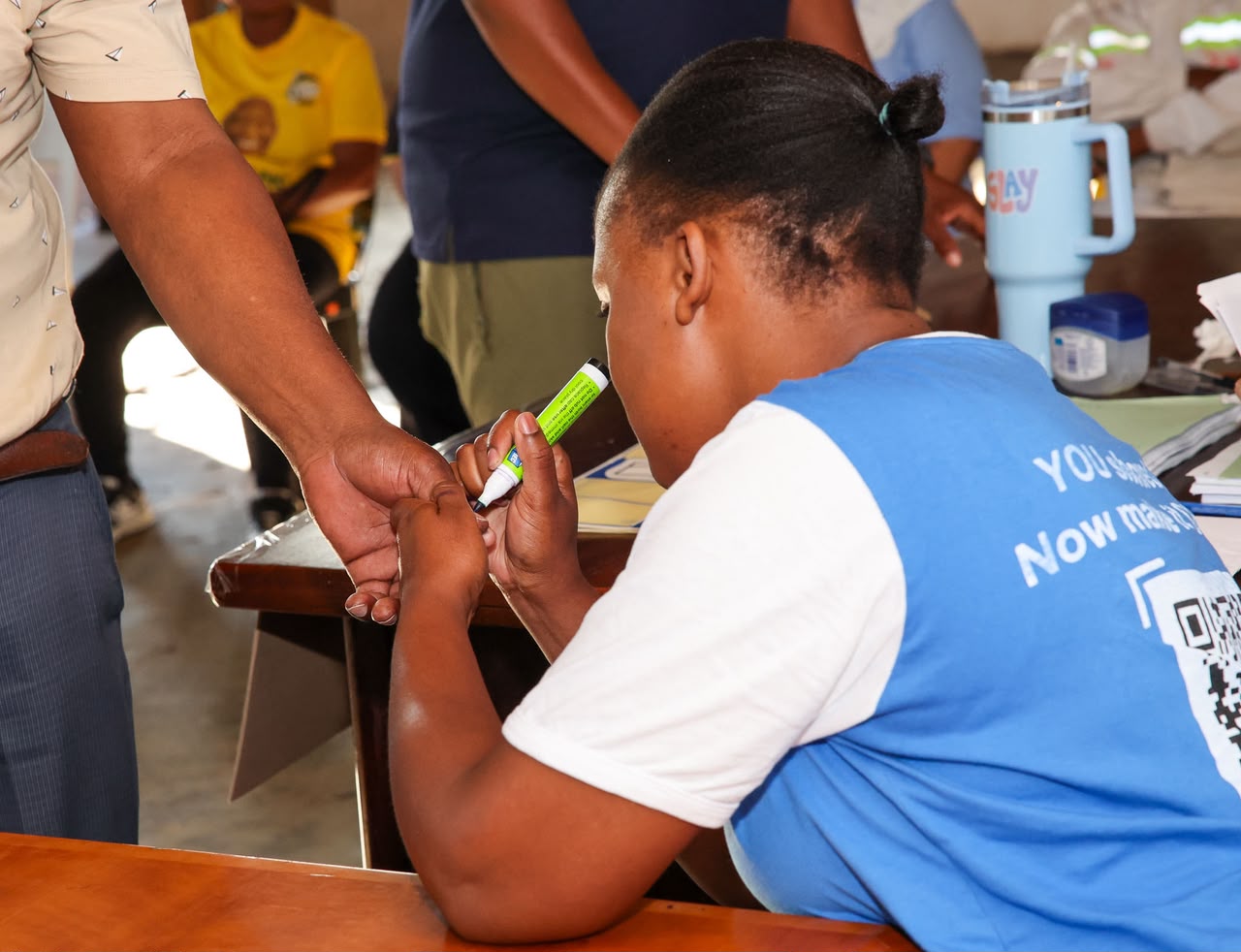
South Africans cast their votes on Wednesday in local government elections where anger over dry taps and power cuts threatens to push the ruling ANC into further decline.
The vote for 257 councils will test the political mood ahead of national elections in 2029, with control of major cities hanging in the balance.
By 10am, more than 3.5 million of the country’s 29.2 million registered voters had cast their ballots, the election authority reported.
Moses Mashaba (27), a street vendor from Johannesburg’s Soweto township, said he voted because “things have been horrible”.
“Sometimes we don’t have water or electricity. There is also a high unemployment rate, which has been frustrating,” he told AFP.
More than three decades after the first all-race election thrust the ANC into power, South Africans face crumbling infrastructure, dry taps, persistent inequality and unemployment above 30%.
Voters stay home amid frustration
Ntando Sithole (24), who makes a living washing cars, chose to stay away from the polls because “there won’t be any changes” and “most of these political parties are led by old people”.
“The streetlights in my area are just for decoration because they don’t work. It gets very dark at night, making it unsafe to even walk home,” he said.
Polling stations were set to close at 9pm (1900 GMT), with counting starting immediately and final results due by Sunday.
Some 2.6 million people were allowed to vote early on Monday and Tuesday but only 1.4 million did so.
President defends democracy
President Cyril Ramaphosa declared after voting that “our democracy is alive”, a reference to the first all-race elections in 1994 at the end of white-minority rule.
“We as government are determined to rebuild our local government structure to ensure that what was promised becomes a reality,” said Ramaphosa, who is also the ANC leader.
“My life has improved since we were allowed to vote as black people,” nursing aid Phumla Zikhali (55) told AFP in the east coast city of Gqeberha.
“Things were tough before then. My vote is for more change,” she said.
ANC faces further losses
The ANC, which installed Nelson Mandela as the first black president, remains projected to emerge as the largest party nationally but polls point to further erosion of its support.
Once the dominant force in South African politics, it fell below 50% of the vote for the first time in the 2021 municipal elections.
It suffered further losses at the 2024 national vote, securing just over 40% and was forced into a power-sharing government with nine other parties.
The liberal Democratic Alliance (DA), the second-largest party, is likely to maintain its control of Cape Town and has also set its sights on Johannesburg, an ANC bastion.
Here and in many other centres, no party is expected to win an outright majority, forcing complex negotiations to form coalition councils.
“We will talk to everyone but I don’t like to get into coalition negotiations before the votes have been counted,” DA leader Geordin Hill-Lewis told AFP.
The breakaway opposition uMkhonto weSizwe (MK) party led by former president Jacob Zuma has mounted a strong challenge for the east coast port city of Durban in a campaign focused on Zulu identity.
“We are going to start by taking back our country here,” Zuma said at the weekend.
Voters are likely to be influenced by “bread and butter issues” such as water, electricity, roads and sewage rather than political loyalties, political analyst Kingsley Makhubela said.
“People are not going to vote on sentiments,” the former diplomat told AFP.
The expansion of coalition governments could foster political tolerance in an increasingly fragmented political landscape where, for years, “the language has been political enemies”.
ALSO READ: No electricity, no vote: service chaos tests South Africa’s ANC