

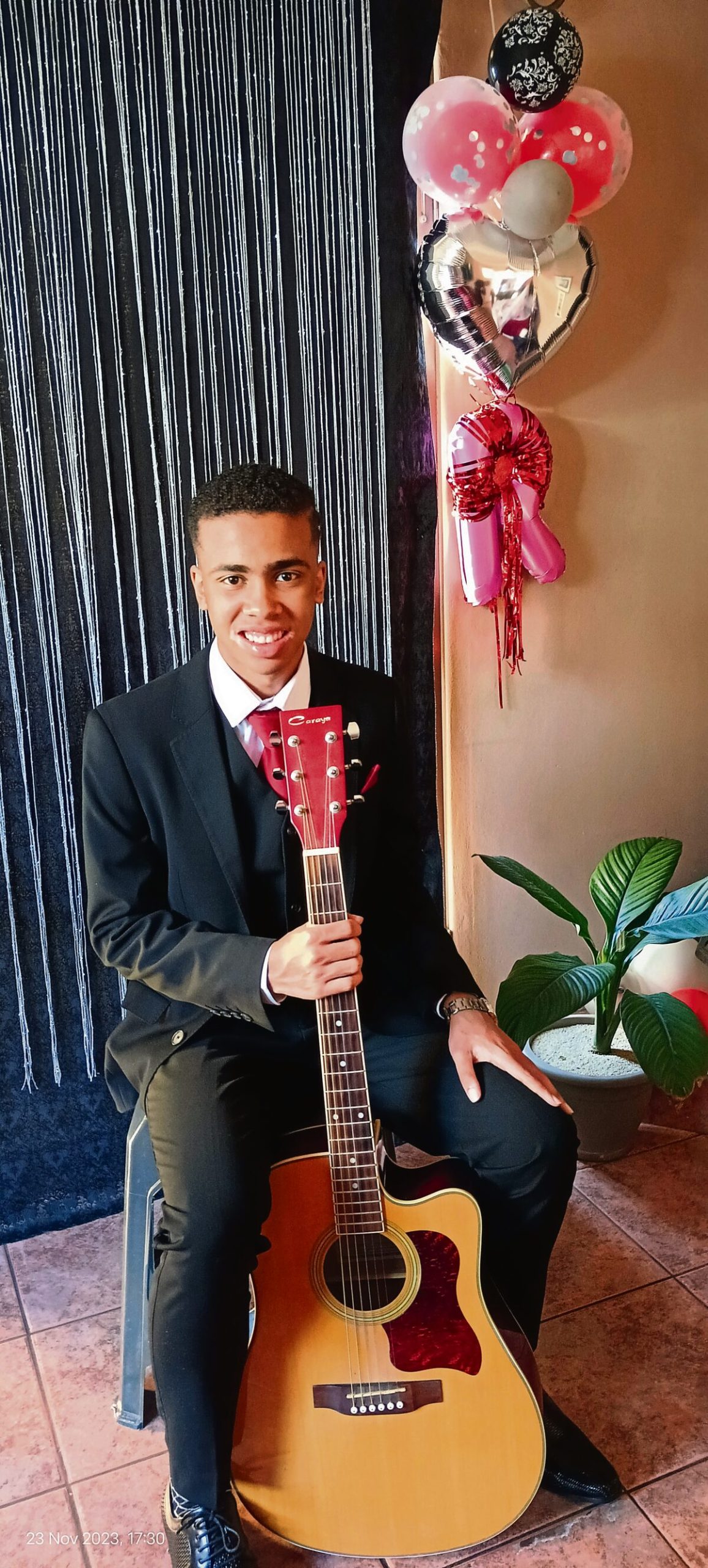
Health authorities call for community support as World Autism Awareness Day highlights different ways of thinking, learning and engaging with the world
As World Autism Awareness Day is observed today (2 April), the Western Cape Department of Health and Wellness is encouraging communities to move beyond traditional perceptions of autism and instead celebrate the unique strengths and abilities that autistic children bring to society.
Rather than viewing autism as a deficit, health professionals are promoting understanding of it as a different way of experiencing and engaging with the world, one that often comes with remarkable abilities including deep insight, creative problem-solving skills, exceptional attention to detail and strong logical thinking.
“Autism invites us to look beyond traditional expectations of development and to appreciate different ways of thinking, learning and engaging with the world,” explains Dr Zakira Mukuddem-Sablay, head of adolescent services at Groote Schuur Hospital. “When children are supported in environments that understand and respect these differences, they are more likely to build confidence and participate meaningfully in their communities.”
A mother’s journey of discovery
For Valerie Maarman, a mother from Kuils River, the path to understanding began with subtle observations about her son, Robert’s, responses, play patterns and sensitivity to his environment.
“At first I reassured myself that every child develops differently,” she recalls. “But deep down, I knew something was different.”
Following assessments and early interventions, Robert (20) was diagnosed with autism at age 3. While the diagnosis brought clarity, it also presented new challenges for the entire family.
“The diagnosis was difficult to accept,” Maarman shared. “It was overwhelming not just for me, but our entire family. We had to learn, adapt and grow in ways we never expected.”
Through therapy, guidance and constant support the family created a nurturing environment for Robert. “Through patience, consistency and support we started to see changes, small moments of connection that meant everything to us.”
Today, Robert is a confident young adult who expresses himself through art, enjoys music and continues developing his independence.
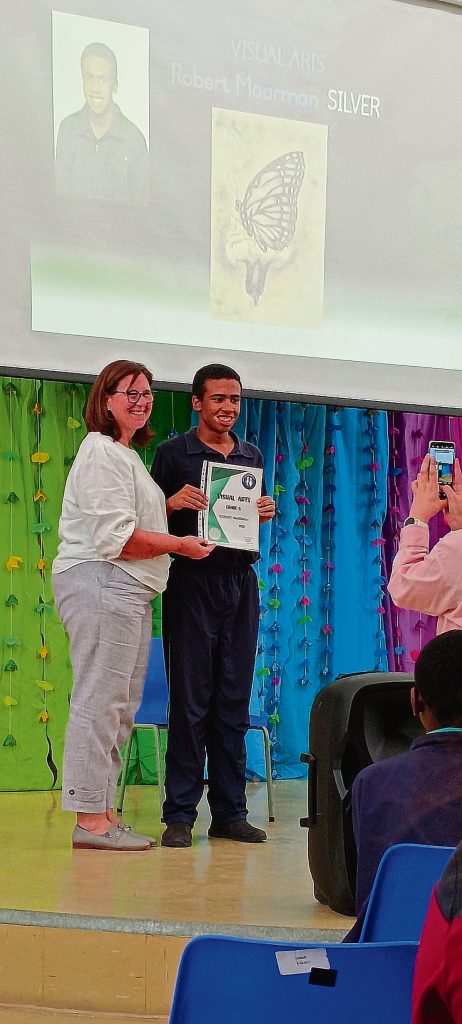
“As a parent, one realises that autism is not the end of the journey; it is a different path. One that teaches strength, resilience and unconditional love,” Maarman said.
“Ask for help, accept support and believe in your child. With the right support, they can thrive.”
Early intervention
For many families, the journey may feel uncertain, but early identification and intervention are key to positive outcomes.
When developmental concerns are recognised early, children can be referred to appropriate educational settings and access essential services such as occupational therapy, speech and language therapy, and mental-health support.
Parents and caregivers are encouraged to seek assistance if they have concerns about their child’s development. Consulting a health-care professional is an important first step in accessing appropriate care.
Comprehensive support
The Neurodevelopmental Clinic at Tygerberg Hospital provides specialised assessment and diagnosis for children with autism spectrum disorder up to age 6, while older children are referred to the psychiatry department for continued support.
The clinic follows a family-centred approach, with partnerships including Autism Western Cape strengthening support through weekly attendance and monthly parent workshops on behaviour, sensory needs and daily routines.
Services include the World Health Organization’s Caregiver Skills Training Programme and outreach initiatives with Special Olympics South Africa, providing multidisciplinary screening days at special-needs schools at no cost.
Beyond clinical services
Support extends beyond medical care, with families receiving assistance accessing dependency grants, housing support and guidance on claiming eligible expenses. Close collaboration with the Western Cape Education Department ensures children are placed in appropriate learning environments.
“Children with autism spectrum disorder can learn and thrive, provided they are supported in the right way,” says Dr Angeline Thomas, subspecialist consultant in neurodevelopment and paediatrics at Tygerberg Hospital. “With the right support systems in place, we can unlock each child’s potential and support their development in meaningful ways.”
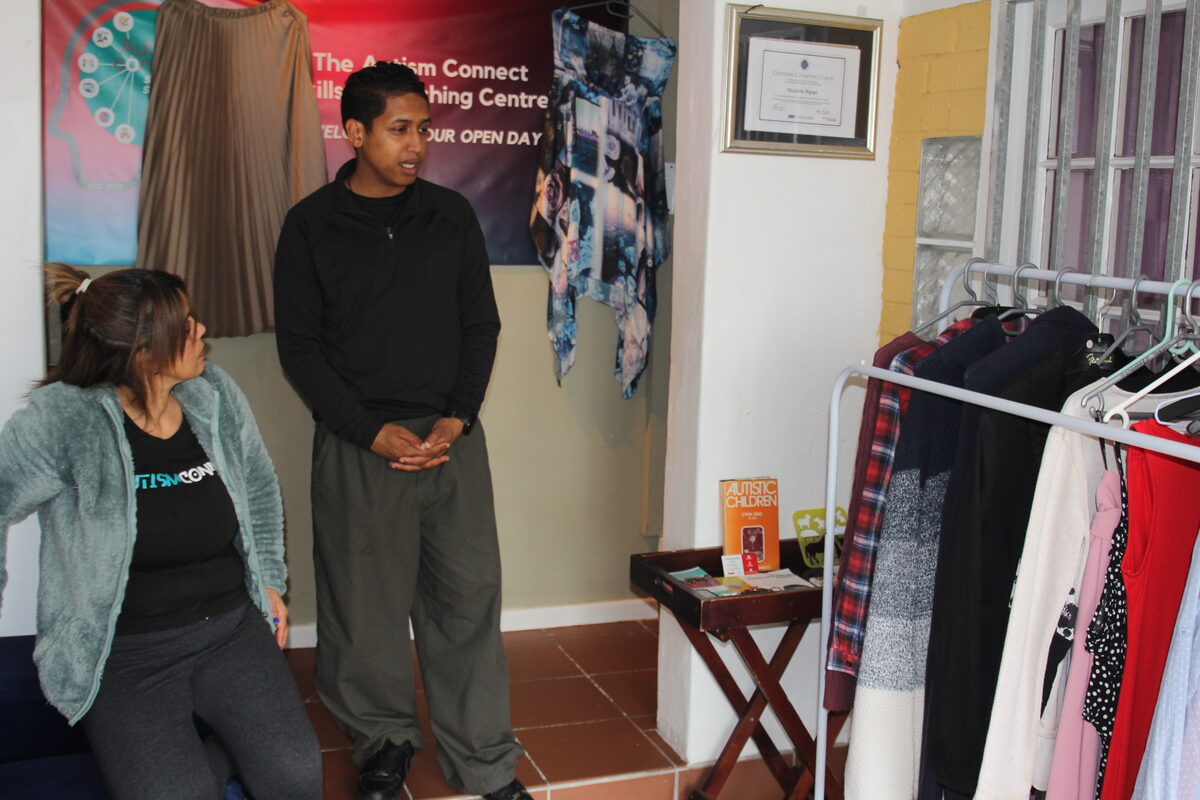
ALSO READ: Autism Connect expands vision to meet neurodivergent communities’ needs
Through continued collaboration between families, health-care providers, teachers and communities, the Western Cape Department of Health and Wellness aims to promote inclusive, holistic care supporting children with autism and their families.
Many individuals with autism develop focused interests that can evolve into areas of expertise and innovation, particularly in science, technology, engineering and mathematics fields, highlighting the potential contributions these children can make to society when properly supported.


You must be logged in to post a comment.