


PADANG, Indonesia – The death toll from devastating flooding and landslides across Asia climbed past 1 000 on Monday as the hardest-hit nations, Sri Lanka and Indonesia, deployed military personnel to assist survivors of the region’s worst natural disaster in years.
Separate weather systems brought torrential, prolonged rainfall to the entire island of Sri Lanka and large portions of Indonesia’s Sumatra, southern Thailand, and northern Malaysia last week. The relentless rains left residents clinging to rooftops awaiting rescue by boat or helicopter and completely cut off entire villages from assistance.
Indonesia responds to crisis
Arriving in North Sumatra on Monday, Indonesian President Prabowo Subianto declared that “the worst has passed, hopefully”. The government’s “priority now is how to immediately send the necessary aid,” with particular focus on several isolated areas, he added.
Prabowo faces mounting pressure to declare a national emergency in response to flooding and landslides that have killed at least 502 people, with more than 500 still missing. Unlike his Sri Lankan counterpart, he has not publicly called for international assistance.
The death toll represents the deadliest natural disaster in Indonesia since a massive 2018 earthquake and subsequent tsunami killed more than 2,000 people in Sulawesi.
The government has deployed three warships carrying aid and two hospital ships to some of the worst-affected areas, where many roads remain impassable.
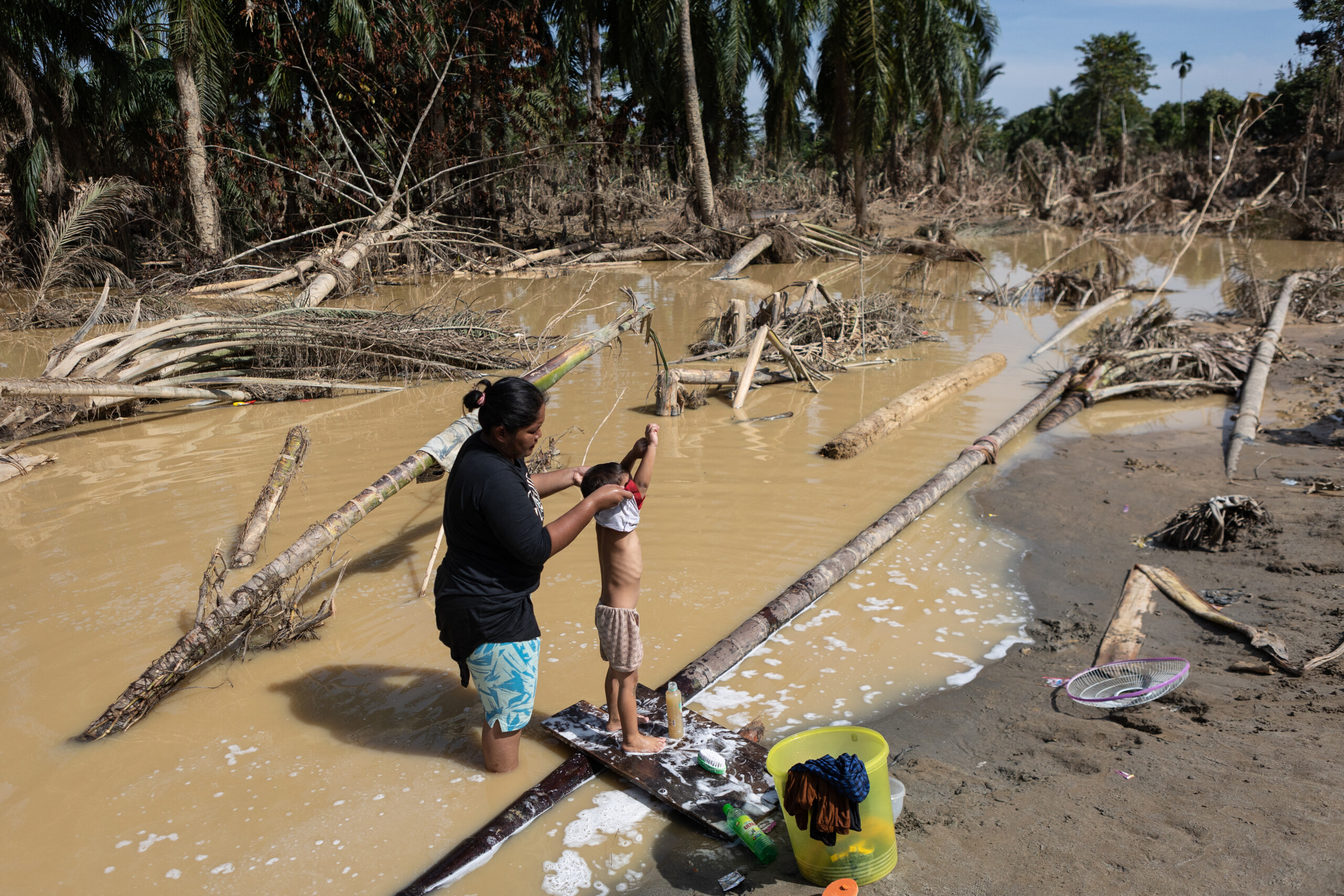
At an evacuation center in North Aceh, 28-year-old Misbahul Munir described walking through neck-deep water to reach his parents.
“Everything in the house was destroyed because it was submerged,” he told AFP. “I have only the clothes I am wearing,” he said, dissolving into tears.
Sri Lanka seeks international aid
Meanwhile, in Sri Lanka, the government has called for international aid and deployed military helicopters to reach people stranded by flooding and landslides triggered by Cyclone Ditwah.
At least 340 people have been killed, Sri Lankan officials reported on Monday, with many more still missing.
Floodwaters in the capital Colombo peaked overnight, and with rain now stopped, there were hopes that waters would begin receding. Some shops and offices began to reopen.
Officials said the full extent of damage in the worst-affected central region was only just being revealed as relief workers cleared roads blocked by fallen trees and mudslides.
In Ma Oya, just north of the capital, Hasitha Wijewardena said he was struggling to clean up after the floods.
“The water has gone down, but the house is now full of mud,” he told local reporters, appealing for military help with cleanup efforts.
President Anura Kumara Dissanayake, who declared a state of emergency to deal with the disaster, vowed to rebuild.
“We are facing the largest and most challenging natural disaster in our history,” he said in an address to the nation. “Certainly, we will build a better nation than what existed before.”
The losses and damage represent the worst in Sri Lanka since the devastating 2004 Asian tsunami that killed around 31,000 people there and left more than a million homeless.
Regional impact and climate concerns
By Sunday afternoon, rain had subsided across Sri Lanka, but low-lying areas of the capital remained flooded as authorities braced for a major relief operation. Military helicopters have been deployed to airlift stranded residents and deliver food, though one crashed just north of Colombo on Sunday evening.
In southern Thailand, flooding killed at least 176 people, authorities said Monday, marking one of the deadliest flood incidents in the country in a decade. The government has rolled out relief measures, but growing public criticism of the flood response has led to the suspension of two local officials over their alleged failures.
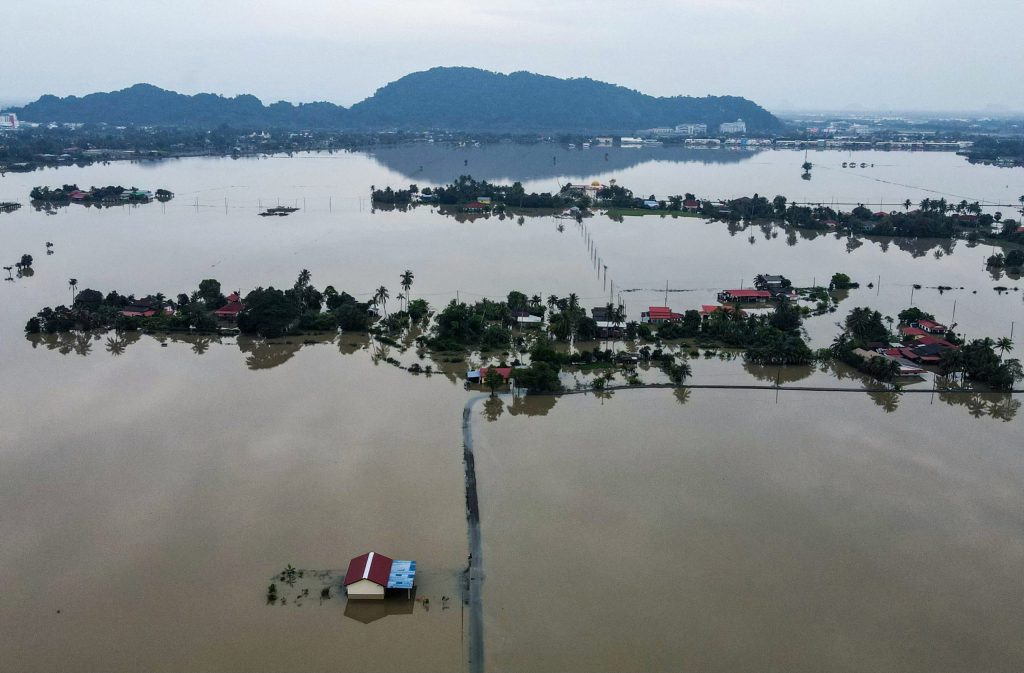
Across the border in Malaysia, heavy rains also inundated large stretches of land in Perlis state, killing two people.
Much of Asia is currently experiencing its annual monsoon season, which often brings heavy rain, triggering landslides and flash floods. However, the flooding that hit Indonesia, Thailand, and Malaysia was exacerbated by a rare tropical storm that dumped particularly heavy rain on Sumatra island.
Climate change has increased the intensity of storms and produced more heavy rain events because a warmer atmosphere holds more moisture, experts say.


You must be logged in to post a comment.