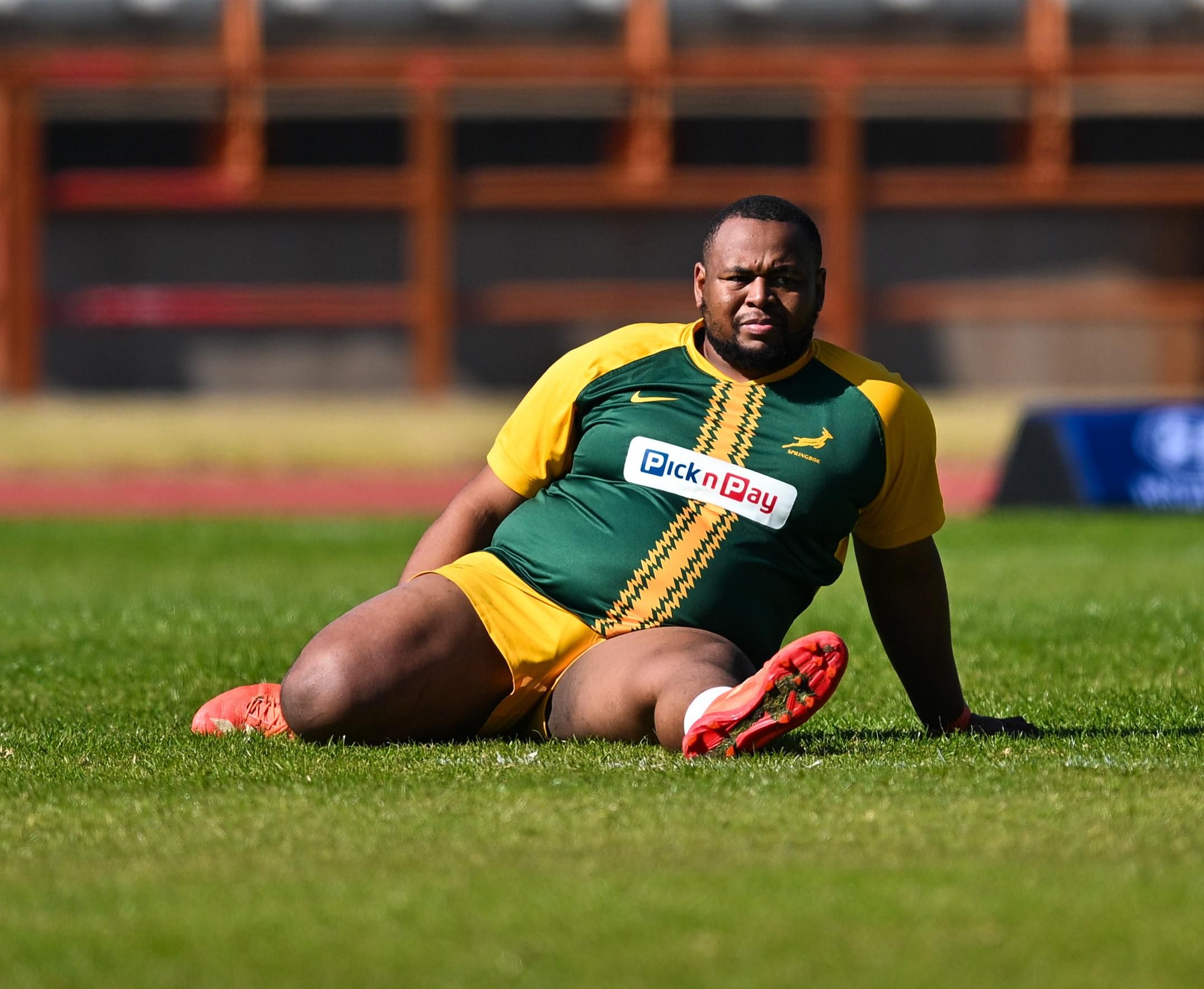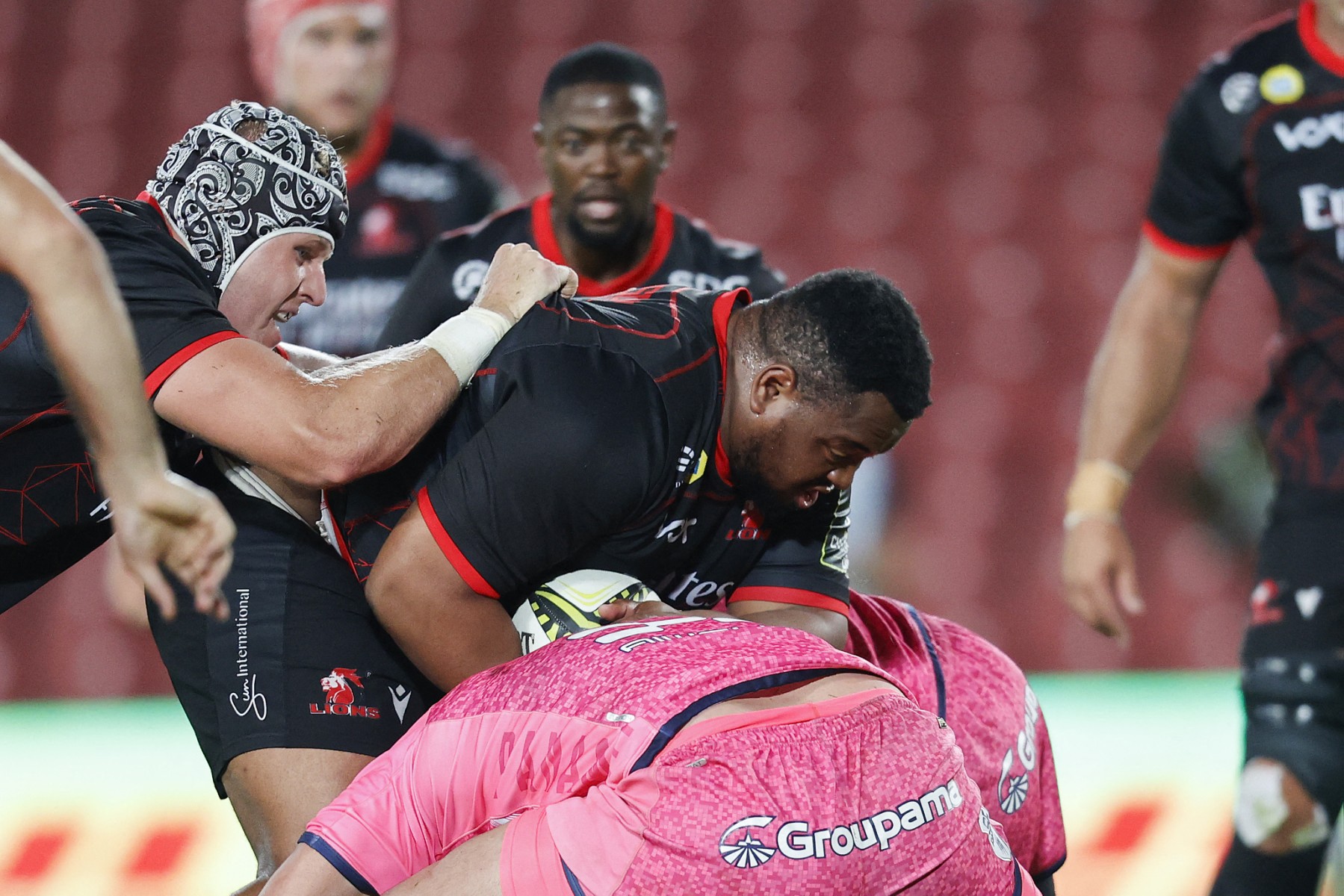
The Lions will be without Springbok prop Asenathi Ntlabakanye for the next 18 months after the South African Institute for Drug-Free Sport handed down a suspension that’s reignited the complex debate around prescribed medication, medical protocols, and anti-doping regulations in professional rugby.
The sanction, confirmed by both SAIDS and the Lions on Thursday, stems from the presence and use of Anastrozole and the self-declared use of DHEA, a prohibited anabolic steroid, despite Ntlabakanye’s insistence that all substances were medically prescribed and taken with full transparency under proper supervision.
The ban commenced on 13 May 2026, immediately ruling Ntlabakanye out of this weekend’s Round 18 United Rugby Championship fixture against Munster and casting serious doubt over his immediate playing future with both the Lions and the Springboks.
The substances and the sanction
SAIDS confirmed that Ntlabakanye tested positive for Anastrozole whilst also self-declaring the use of DHEA, a prohibited anabolic steroid that falls under the World Anti-Doping Code’s banned substances list.
Crucially, SAIDS classified the substances as “specified substances” under South African Anti-Doping Rules.
“In terms of the South African Anti-Doping Rules, this substance is classified as a ‘specified substance’ and does not warrant a mandatory suspension,” SAIDS’ statement confirmed.
The “specified substance” classification typically applies to substances that are more likely to have been consumed for legitimate medical purposes rather than as performance-enhancing drugs. It’s the anti-doping world’s acknowledgment that not every positive test represents deliberate cheating.
Ntlabakanye was formally charged on 9 September 2025 for the presence and use of Anastrozole and the use of DHEA, following an adverse analytical finding during random testing in August 2025.
The timeline is significant, the substances were allegedly prescribed in early 2025, testing occurred in August 2025, formal charges followed in September 2025, and the 18-month ban only commenced in May 2026, highlighting the lengthy administrative process that follows anti-doping violations.
The medical defence
From the outset, Ntlabakanye and his representatives have maintained that this wasn’t a case of deliberate doping but rather a medical protocol that didn’t align perfectly with anti-doping requirements.
When the adverse analytical finding first emerged in August 2025, SA Rugby issued a robust defence of the player’s conduct and intentions.
“It was prescribed by a specialist physician early in 2025 for medical reasons and taken with the approval and the supervision of a medical doctor specifically appointed to manage the medical affairs of professional rugby players,” SA Rugby stated at the time.
The governing body emphasised that Ntlabakanye had been transparent throughout, acted in good faith, and followed prescribed medical processes.
“Ntlabakanye was transparent in his declarations, acted in good faith and at all times followed the medical due process as prescribed by the industry,” SA Rugby insisted. “He relied on the relevant professional medical advice and at no time did he seek to obtain an unfair advantage, nor did he take any medical substance without prior medical authorisation.”
It’s a defence that paints a picture of a player caught in the administrative complexity of modern anti-doping regulations rather than a deliberate cheat seeking performance enhancement.
Lions’ measured response
The Lions’ official statement struck a carefully calibrated tone, acknowledging the sanction whilst committing to ongoing support for their player.
“Lions Rugby Company confirms that it has received communication from the South African Institute for Drug-Free Sport (SAIDS) regarding the decision to sanction Lions prop Asenathi Ntlabakanye for a period of 18 months following an anti-doping rule violation,” the franchise stated.
The Lions confirmed they would work with MyPlayers – The Rugby Players’ Organisation – to “deliberate on the appropriate next steps,” suggesting potential appeal options remain on the table.
“During this time, the Lions Rugby Company will continue to support Ntlabakanye as he navigates the process ahead,” the statement emphasised, making clear the franchise isn’t abandoning their player despite the ban.
The Lions also imposed a media blackout on further comment until the process regarding next steps has been concluded – a standard move when legal or administrative options remain under consideration.
Career implications
The 18-month suspension represents a devastating blow to Ntlabakanye’s career trajectory at a crucial stage. Professional rugby careers are short, and 18 months on the sidelines can fundamentally alter a player’s prospects.
For the Lions, losing a Springbok-calibre prop for that duration creates immediate squad depth challenges and disrupts team continuity heading into the business end of the United Rugby Championship season.
The Springbok implications are equally significant. Ntlabakanye won’t be available for international selection during the ban period, potentially costing him crucial Test opportunities and allowing competitors to stake claims for his position.
The reputational damage, even with the mitigating circumstances of medical prescription and transparency, will follow him throughout his career. Fair or not, “banned for doping” becomes part of an athlete’s narrative regardless of context.