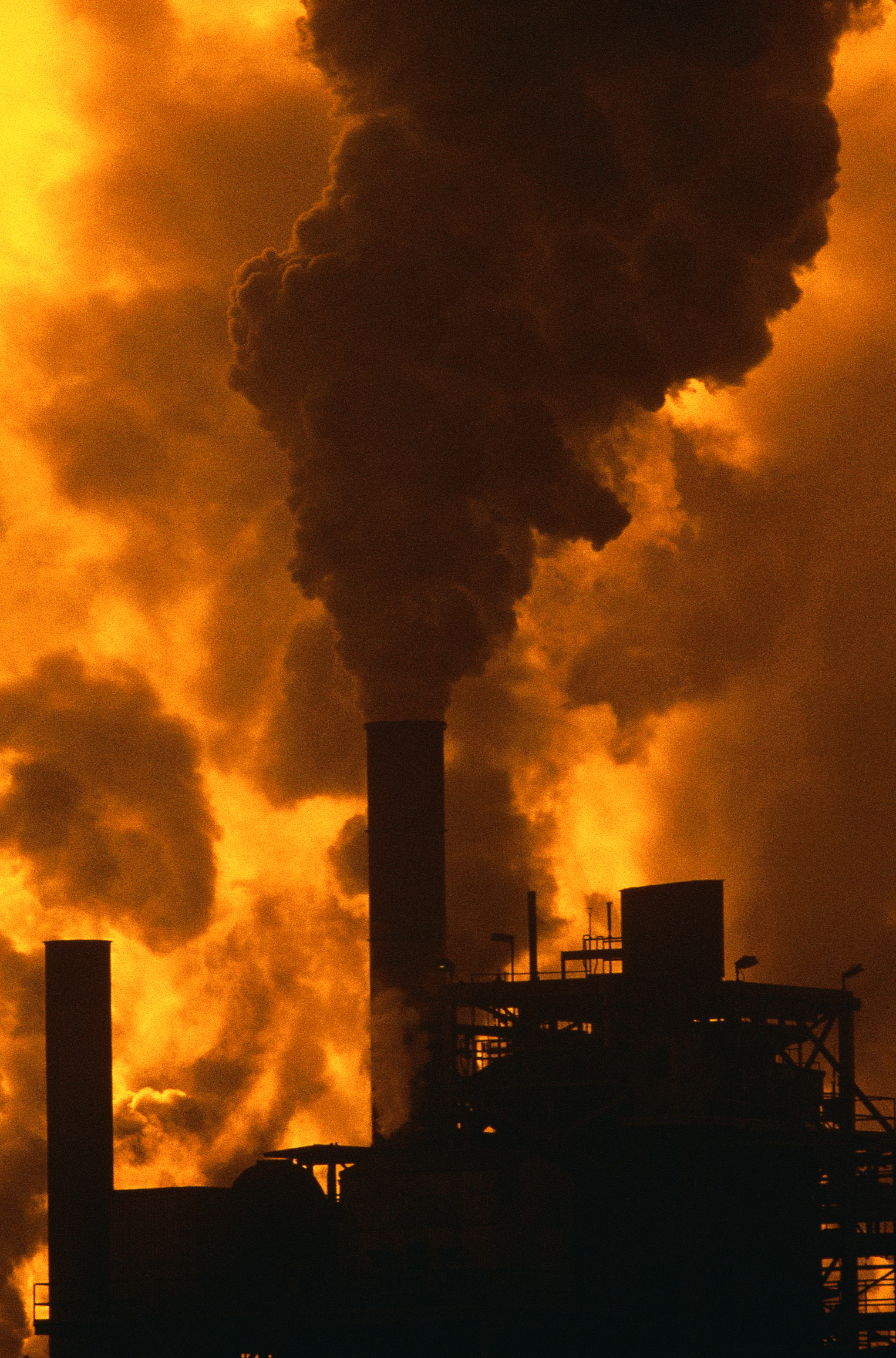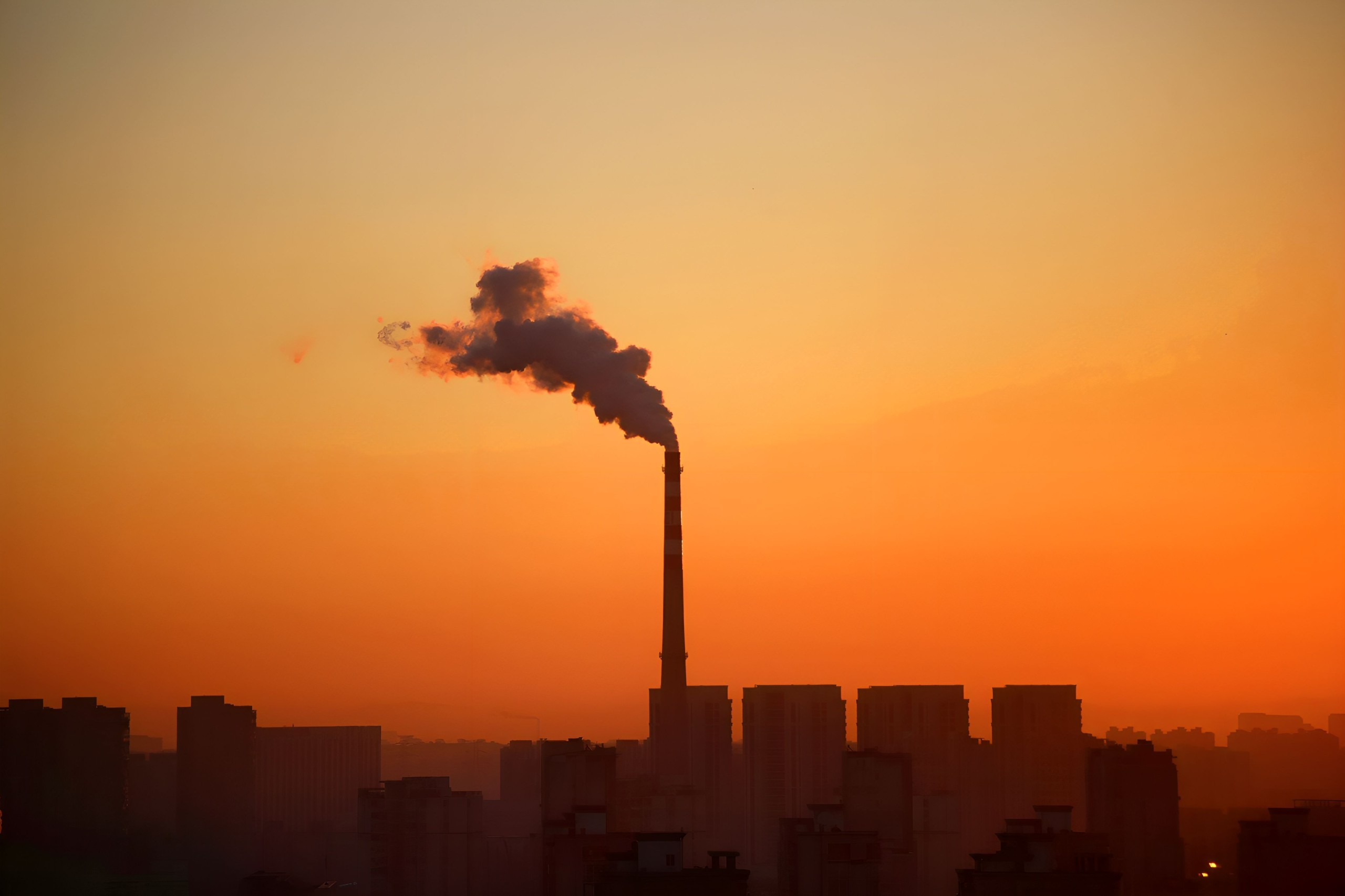
Air pollution could be doing more than damaging the lungs, with new research showing that polluted air can increase the risk of serious bacterial infections – and that the timing and severity of that risk can depend on the specific strain of bacteria a person carries.
The findings come from a study involving South Africa’s National Institute for Communicable Diseases (NICD), the Wellcome Sanger Institute, the Barcelona Supercomputing Center and collaborators. Researchers found that exposure to air pollution, together with the subtype of Streptococcus pneumoniae bacteria in a person’s respiratory system, can influence the risk of invasive disease.
Pneumococcal diseases a problem in SA
The study, published in Nature Microbiology on 14 September, also found that young children and older adults are particularly vulnerable during periods of high air pollution.
Streptococcus pneumoniae can live harmlessly in the nose and throat, but when it reaches the lower respiratory tract or bloodstream, it can cause invasive pneumococcal disease (IPD), including pneumonia, sepsis and meningitis.
In South Africa, between 40% and 60% of children carry the bacteria. Researchers analysed about 59 000 cases of IPD recorded over 19 years through the country’s national GERMS-SA surveillance programme.
The study found that not all bacterial subtypes respond to air pollution in the same way. While the highest overall risk occurred roughly two weeks after exposure to air pollution, some strains were associated with an increase in disease risk within the same week.
Professor Anne von Gottberg, co-senior author at the NICD, said the findings reinforce the importance of improving air quality.
“Invasive pneumococcal diseases are a significant public health issue in South Africa and globally. This research adds to the ongoing evidence that air quality greatly impacts our health and shows that it has different effects depending on the strain of bacteria that is found in an area. We need to focus on monitoring and improving air quality in areas with high disease risk to prevent or reduce some of these infections.”
ALSO READ: Cape Town air pollution study shows 40% of residents at high risk
Researchers also took temperature, humidity and population density into account. High temperatures were linked to an immediate increase in disease risk, while cold temperatures were associated with a delayed rise in cases.
Professor Rachel Lowe, co-senior author at the Barcelona Supercomputing Center and the Catalan Institution for Research & Advanced Studies, said changing environmental conditions are influencing infectious disease risks.
“Climate change and rapid urbanisation are fundamentally altering the environmental conditions that influence risk of infectious disease. By linking long-term climate and air quality monitoring with health outcomes, this work highlights how shifting environmental patterns can amplify public health risks. Protecting communities most at risk will require cross-sector collaboration and adaptive health strategies that can keep pace with a changing environment.”
Dr Sophie Belman, the study’s first author, said the findings show why environmental exposure does not affect everyone in the same way.
“While we found that temperature and air pollution generally increase the risk of invasive pneumococcal diseases, such as bacterial meningitis, our research also suggests that it is the bacterial subtypes a person is carrying that modulate infection rates. The strain of bacteria impacts the timing of disease and who might be more at risk depending on their respiratory microbiome, meaning that the risk is not the same in every situation or for every person.”
Surveillance can help with predictions
The researchers say combining environmental monitoring with surveillance of bacterial strains could help predict infection spikes, inform vaccination strategies and help healthcare providers prepare during periods of poor air quality.
They also say reducing air pollution could help prevent infectious diseases, particularly in areas with high levels of exposure such as cities.