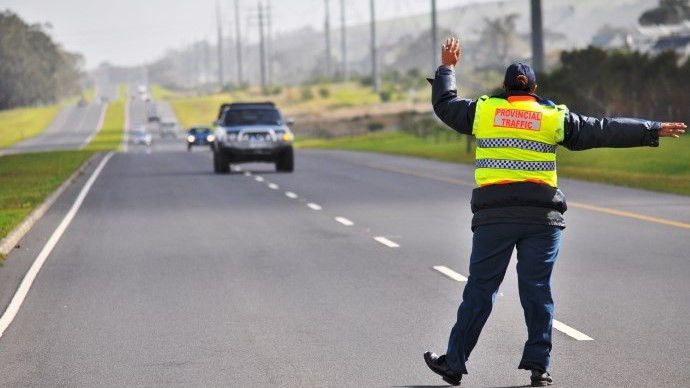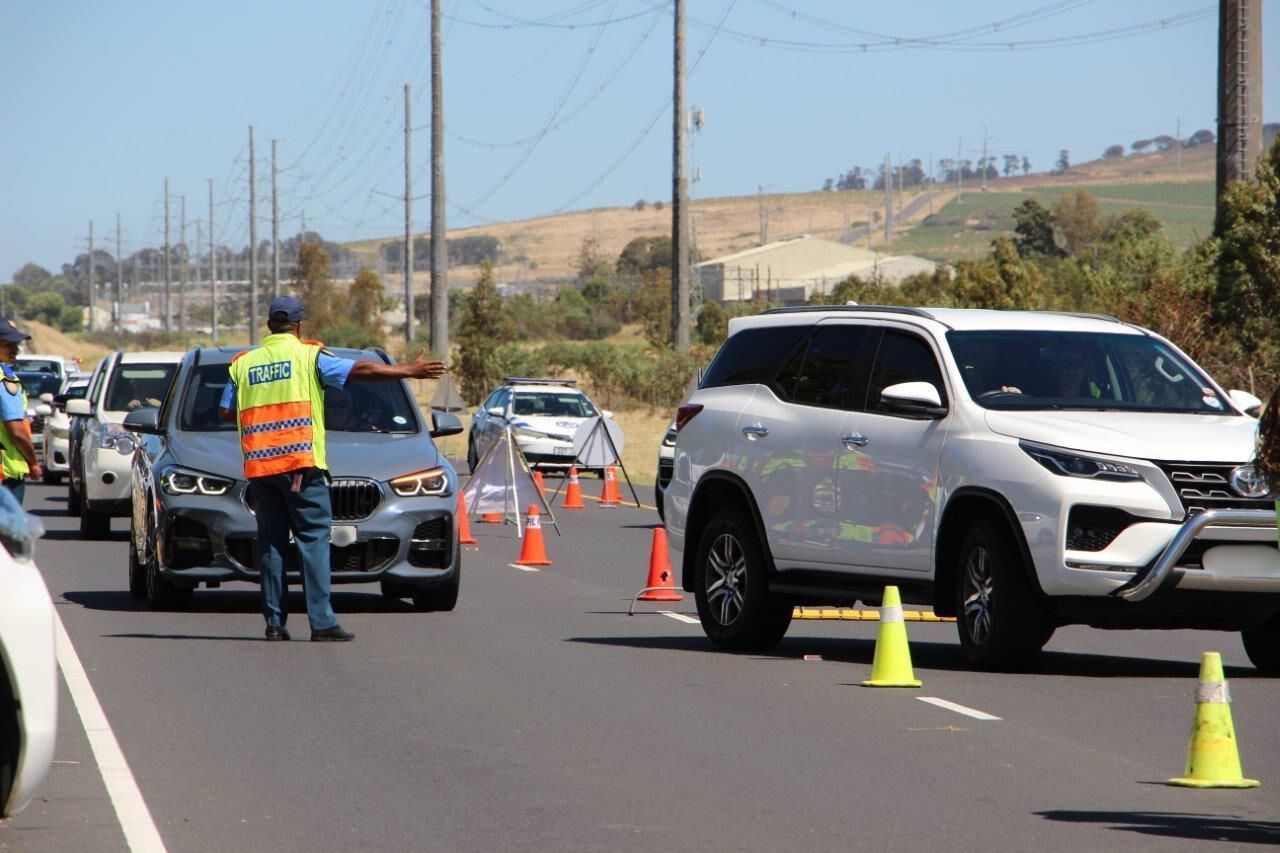
The controversial traffic fine system known as Aarto has begun its countrywide rollout on schedule, despite objections from municipalities who say the country is not ready.
The Road Traffic Infringement Authority confirmed that Phase 2 of the Administrative Adjudication of Road Traffic Offences Act started on 1 July, covering 62 local and metropolitan municipalities across South Africa.
This comes after the Gauteng High Court in Pretoria rejected an urgent application by the South African Local Government Association (Salga) to halt the implementation.
Salga had asked the court to stop the rollout, citing concerns about whether municipalities have the right equipment, adequate funding and proper systems in place.
The organisation argued that many areas lack the infrastructure needed to make the system work properly, and questioned whether the financial arrangements between national government and municipalities are fair.
However, the court struck the application from the roll on Tuesday, finding that SALGA had failed to prove urgency and could not demonstrate that it had authority to speak for all municipalities.
The court noted that Salga had known about the 1 July implementation date since November 2025 but only brought the application at the last minute.
Judge’s reasoning questioned Salga’s authority to represent municipalities without proper council resolutions from affected areas.
The traffic authority says it is ready for the nationwide expansion, building on pilot programmes already running in Johannesburg and Tshwane.
According to officials, 283 sites across the 62 municipalities are involved in the rollout, with 75% properly equipped and staff trained to operate the new system.
Aarto introduces a points-based system for traffic violations, similar to those used in other countries. Drivers accumulate points for offences, and too many points can lead to licence suspension.
The system aims to improve road safety by creating consistent consequences for traffic violations across the country, rather than the current mix of different approaches in different areas.
ALSO READ: Municipalities seek court order to stop Aarto’s phase two
SALGA expressed disappointment at the court ruling but said it would continue pursuing the matter.
“The court’s decision on lack of urgency only means the merits of the case will have to be argued at a later stage,” the organisation said.
The municipal body maintains that the funding model underlying the act remains problematic and could burden municipalities with costs they cannot afford.
Motorists are advised to familiarise themselves with the new system through official RTIA channels and resources as the rollout continues across participating municipalities.
The phased approach means not all areas will switch to the new system immediately, with implementation continuing over the coming months.
ALSO READ: Don’t fall for fake traffic fines: Aarto warns of email and SMS scams