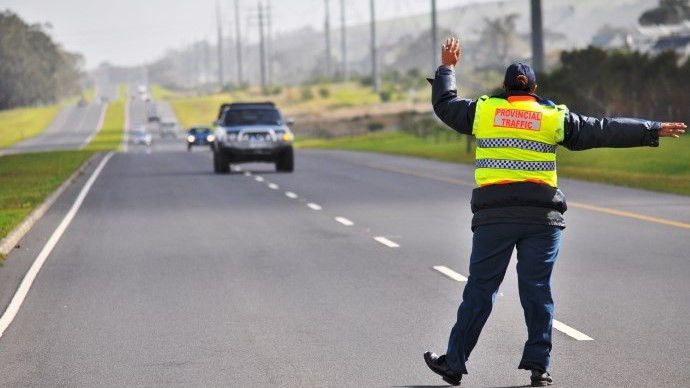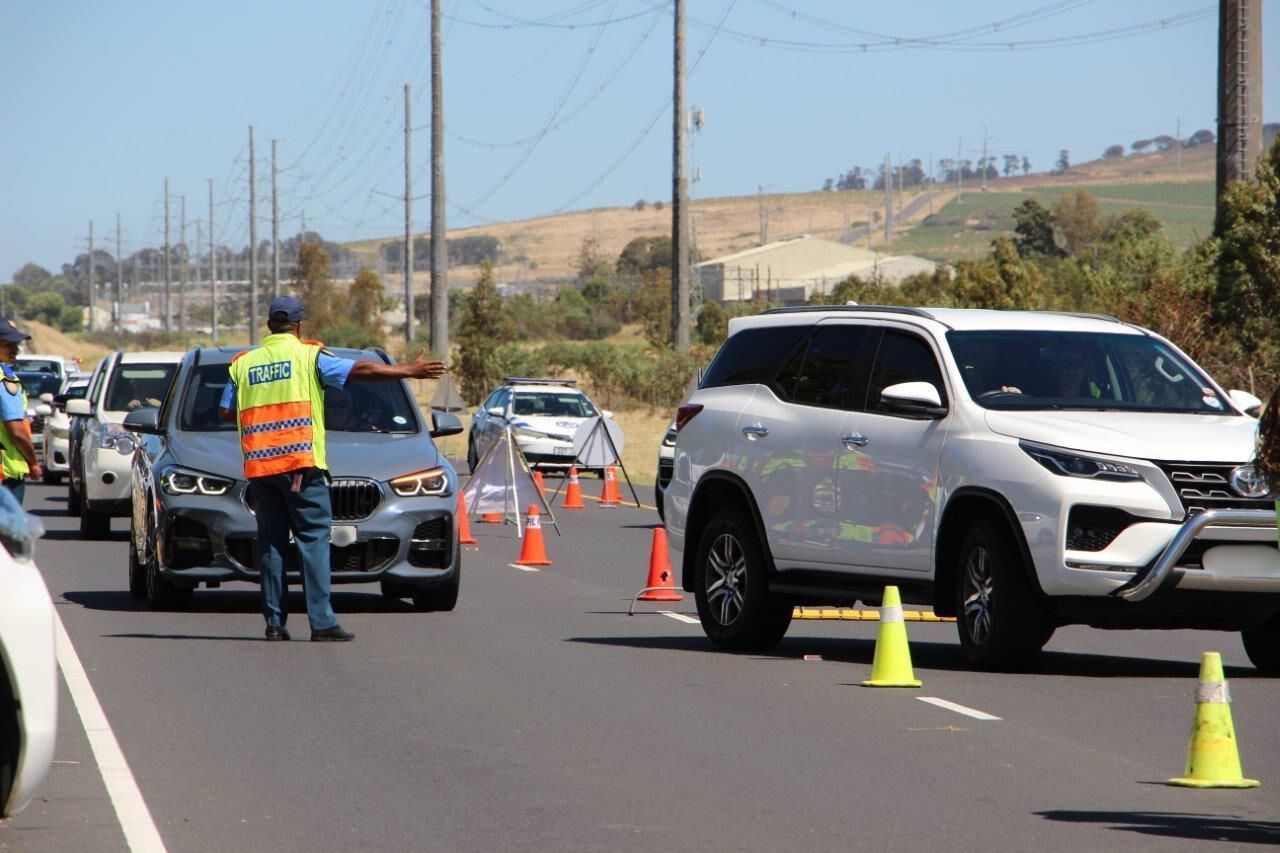
South African motorists and businesses are facing a new reality as the second phase of the Administrative Adjudication of Road Traffic Offences (AARTO) Act came into force on 1 July across 62 municipalities.
The rollout marks a significant shift in how traffic violations are handled, with immediate implications for vehicle licensing and fleet operations. The system is set to expand to a further 151 municipalities later this year, with the controversial demerit points system scheduled for implementation in 2027.
What is AARTO?
The AARTO system replaces the criminal court-based traffic fine process with an administrative one. Instead of traffic offences being processed through the criminal justice system, violations are now handled through a streamlined administrative framework.
The system has been piloted in Johannesburg and Tshwane since 2008, but the 1 July rollout represents the first major expansion of the programme.
Immediate consequences for vehicle owners
Under the new regulations, vehicles with unpaid fines that have reached the enforcement order stage cannot be licensed, renewed or transferred until outstanding amounts are settled.
When a traffic fine remains unpaid and reaches the enforcement order phase, the infringer is blocked on the electronic National Traffic Information System (eNaTIS). This block prevents individuals or companies from renewing their vehicle licence disc, driver’s licence or professional driving permit.
For businesses operating vehicle fleets, this creates a serious operational risk. Vehicles can be effectively grounded, leading to idle assets, delayed deliveries and broader disruptions.
Corporate accountability
One of the most significant changes under AARTO is how company vehicles are treated. Every fine issued to a company vehicle is now linked directly to the organisation’s Business Registration Number (BRN) through the eNaTIS database.
This means companies can no longer avoid fines through unclear driver accountability. Businesses are required to identify the responsible driver within 32 days of an offence. Failure to do so results in tripled fines, and risks having operator cards suspended, which could ground an entire fleet.
Digital enforcement
Under AARTO, infringement notices will increasingly be digitally generated and served via eNaTIS-linked contact details and SMS notifications where available. This removes the excuse of not receiving fines through postal delays.
The South African Post Office has been tasked with electronic distribution of infringement notices, supported by a R350 million allocation from the Department of Communications and Digital Technologies to address cash flow pressures.
Demerit points delayed until 2027
While the administrative framework is now active, the controversial demerit points system has been delayed and is not expected to be implemented before 2027.
Under the planned demerit system, drivers will start with zero points and can accumulate up to 15 points before facing suspension. Each infringement will carry between one and six points depending on severity.
Once a driver exceeds 15 points, their licence will be suspended for three months for each point accumulated above the threshold. Points will be reduced by one for every three months a driver does not incur additional infringements.
Why the Western Cape is excluded
Notably absent from the Phase 2 rollout is the Western Cape, which has been specifically excluded from implementation following a formal intergovernmental dispute resolution process.
The suspension of AARTO in the province was agreed to by transport minister Barbara Creecy to allow for structured negotiations regarding the City of Cape Town’s material concerns.
The city has raised several objections to the current implementation. Approximately 48% of Cape Town’s enforcement officers are currently unable to register on the National Traffic Information System (NaTIS). The city also contends that the enabling National Road Traffic Amendment Act has not yet been fully brought into force.
Other concerns include outstanding obligations regarding AARTO training for personnel, a projected reduction in municipal income under the proposed revenue model, and documented challenges regarding the provision of equipment for back-office operations.
The City of Cape Town has clarified that it does not oppose the principles of AARTO, but refuses to accept the current version or the proposed implementation timeline without addressing these functional and financial deficiencies.
The national government has targeted full national coverage, including the Western Cape, by January 2027.
Legal challenges dismissed
The rollout proceeded despite a last-minute legal challenge by the South African Local Government Association (SALGA), which argued that many municipalities were not sufficiently prepared and raised concerns about the financial burden on councils.
On 30 June, the North Gauteng High Court dismissed SALGA’s urgent application to interdict the implementation, finding no urgency in the matter. The court also noted that SALGA did not provide sufficient evidence that it had the authority to represent the municipalities in the litigation.
The Road Traffic Infringement Authority reported that approximately 75% of the 283 combined sites across the 62 municipalities were properly equipped and staffed with trained personnel as of the launch date.
ALSO READ: New AARTO electronic system goes live across South Africa with digital delivery of traffic fines
Closing the compliance gap
AARTO is designed to address a significant compliance problem in South Africa. Historically, less than 20% of traffic fines issued under the previous enforcement system were paid.
By decriminalising traffic infringements whilst adding layers of administrative consequence for non-compliance, the government hopes to dramatically improve payment rates and ultimately change driver behaviour on South African roads.
For motorists and businesses alike, the message is clear: traffic fines can no longer be ignored. The consequences of non-payment now extend far beyond the value of the fine itself, potentially affecting the ability to keep vehicles on the road.
ALSO READ: Aarto: Fresh start for South African drivers as drivers to begin with zero demerit points