

KAAPSTAD – Die Onafhanklike Verkiesingskommissie (OVK) is gereed vir ‘n vrye en regverdige verkiesing in die Wes-Kaap later vanjaar.
Só sê Michael Hendrickse, die provinsie se verkiesingsbeampte. Volgens hom is daar egter kommer oor misdaad, veral in die Kaapse Metro. “Een van die grootste uitdagings vir die OVK in die provinsie is bendegeweld.”
Die land het in alle erns begin om vere reg te skud vir die komende plaaslike regeringsverkiesing op 4 November.
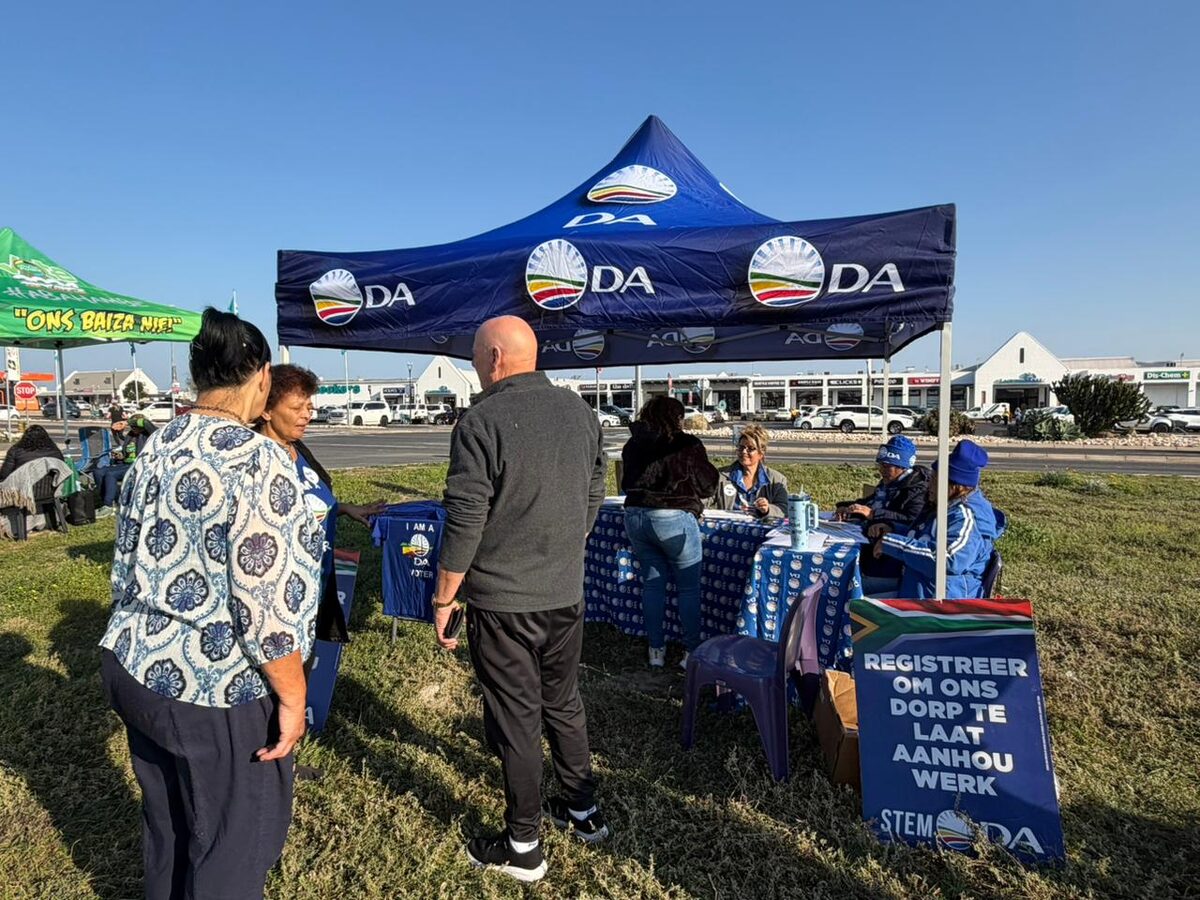
Politieke partye is reeds druk besig met sigbare voorbereidings en veldtogte terwyl dit vir die OVK belangrik, én noodsaaklik, is om kiesers in te lig en voor te berei vir dié belangrike sewende verkiesing ná 1994.
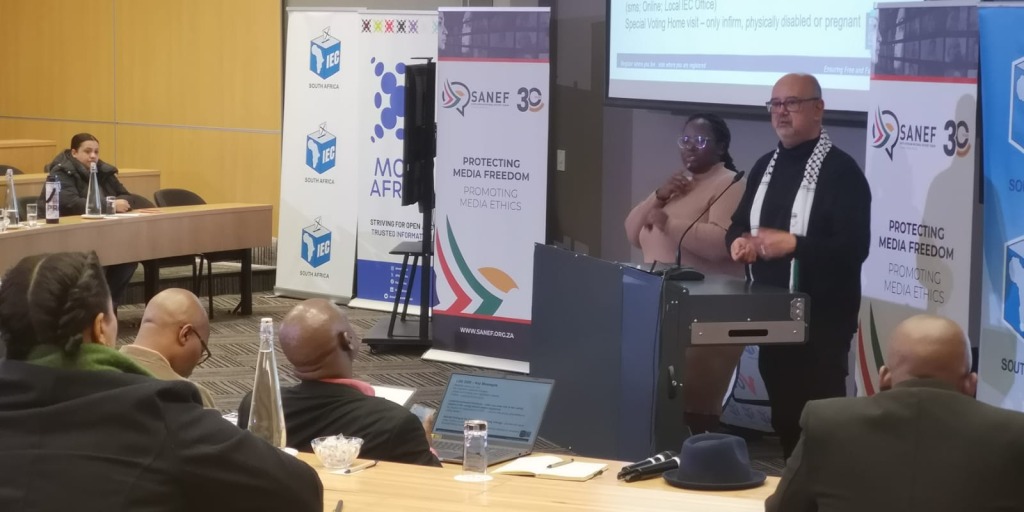
Die OVK het sy nasionale veldtog vir die November-verkiesing op 27 Mei vanjaar geloods en is sedertdien besig met onder meer landswye verkiesings-werkwinkels vir die land se media en honderde joernaliste wat oor die komende verkiesing verslag gaan doen.
Die Wes-Kaap het vroeër dié week (Dinsdag 2 Junie) aan die beurt gekom tydens ‘n geleentheid in Kaapstad. Dit is bygewoon deur onder meer verteenwoordigers van die provinsie se media, nie-regeringsorganisasies, die OVK se onder-voorsitter, Janet Love, en verskeie kundige sprekers.
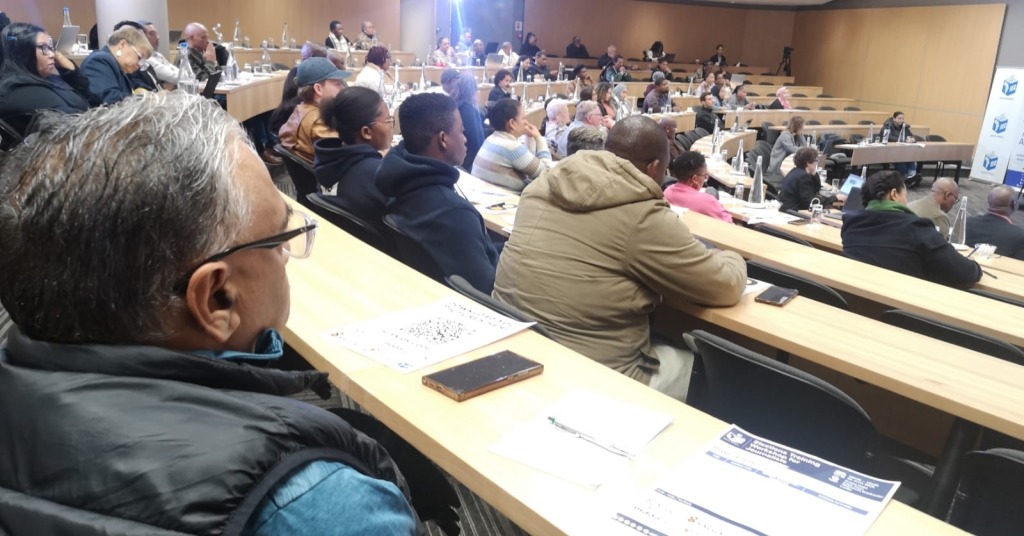
Verteenwoordigers van die SA Nasionale Redakteursforum (SANEF), die SA Plaaslike Regeringsvereniging (SALGA) en nie-regeringsorganisasies soos Africa Check, wat akkuraatheid in openbare debatte en die media bevorder, het die belangrikheid van ‘n vrye en regverdige verkiesing benadruk en die rol van die media uitgelig.
Volgens dié rolspelers is die verspreiding en gebruik van “vals nuus” en veral die misbruik van sosiale media om kiesers te beïnvloed, van die grootste struikelblokke in die aanloop tot vanjaar se verkiesing.
In ‘n onderhoud met die Weslander het Hendrickse die OVK se provinsiale gereedheid bevestig.
Volgens hom is misdaad egter ‘n landswye probleem. “Ons neem dit in ag met ons voorbereiding vir die verkiesing en werk saam met wetstoepassers as deel van ons beplanning rakende die misdaadsituasie en waar die hoë risiko-gebiede is.”
Hendrickse sê die Weskus is goed georganiseerd vir die komende verkiesing. “Werkwinkels met amptenare toon alles is in plek. Die bevolkingsgroei in die Saldanhabaai- munisipale gebied skep egter uitdagings want die gebied is twee nuwe wyke ryker. Dit raak die OVK omdat ons nou meer stemlokale moet ontplooi en daar twee bykomende wyksverkiesings is.”
Hendrickse het ook ‘n beroep gedoen op kiesers om op 20 en 21 Junie vir die November-verkiesing te registreer. “Kom uit en laat jou stem tel. Dit begin deur te registreer. Nuwe inwoners in die Weskus moet ook seker maak dat hulle herregistreer, want jy kan net stem waar jy geregistreer is.”
Die belangrikheid van die komende verkiesing is ook deur Motalatale Modiba van SALGA in ‘n onderhoud met Weslander benadruk. “Plaaslike regerings is waar dienslewering gebeur en is ‘n belangrike bousteen vir demokrasie. Die komende verkiesing bied inwoners die geleentheid én keuse om te bepaal wie die betrokke munisipaliteite se koers en besluite vir die volgende vyf jaar gaan bepaal.”
Volgens Modiba is verskeie lesse geleer sedert die eerste verkiesing vir plaaslike regerings dertig jaar gelede. “Dit is tyd om te kyk na veral die huidige befondsingsmodel vir munisipaliteite. Munisipaliteite was veronderstel om geldelik selfstandig en onafhanklik te funksioneer. Dit het nie gebeur nie. Dit is duidelik dat munisipaliteite nie langer almal oor dieselfde kam geskeer kan word nie, veral in landelike gebiede waar munisipaliteite sukkel om te oorleef en dienste te lewer. Plaaslike regerings ontvang net sowat 10% van die nasionale begroting, maar is verantwoordelik vir byna 50% van funksies en dienste. Dit moet hersien word.”
Volgens Modiba is koalisies in plaaslike regerings voordelig as dit op goeie en effektiewe dienslewering fokus, pleks van die behoud van mag.
*In 2000 het die land slegs 29 koalisies in plaaslike regerings gehad. Dié getal het skerp gestyg tot 70 in 2021, waarvan die meeste in die Wes-Kaap en KwaZulu-Natal gevorm is.

You must be logged in to post a comment.