

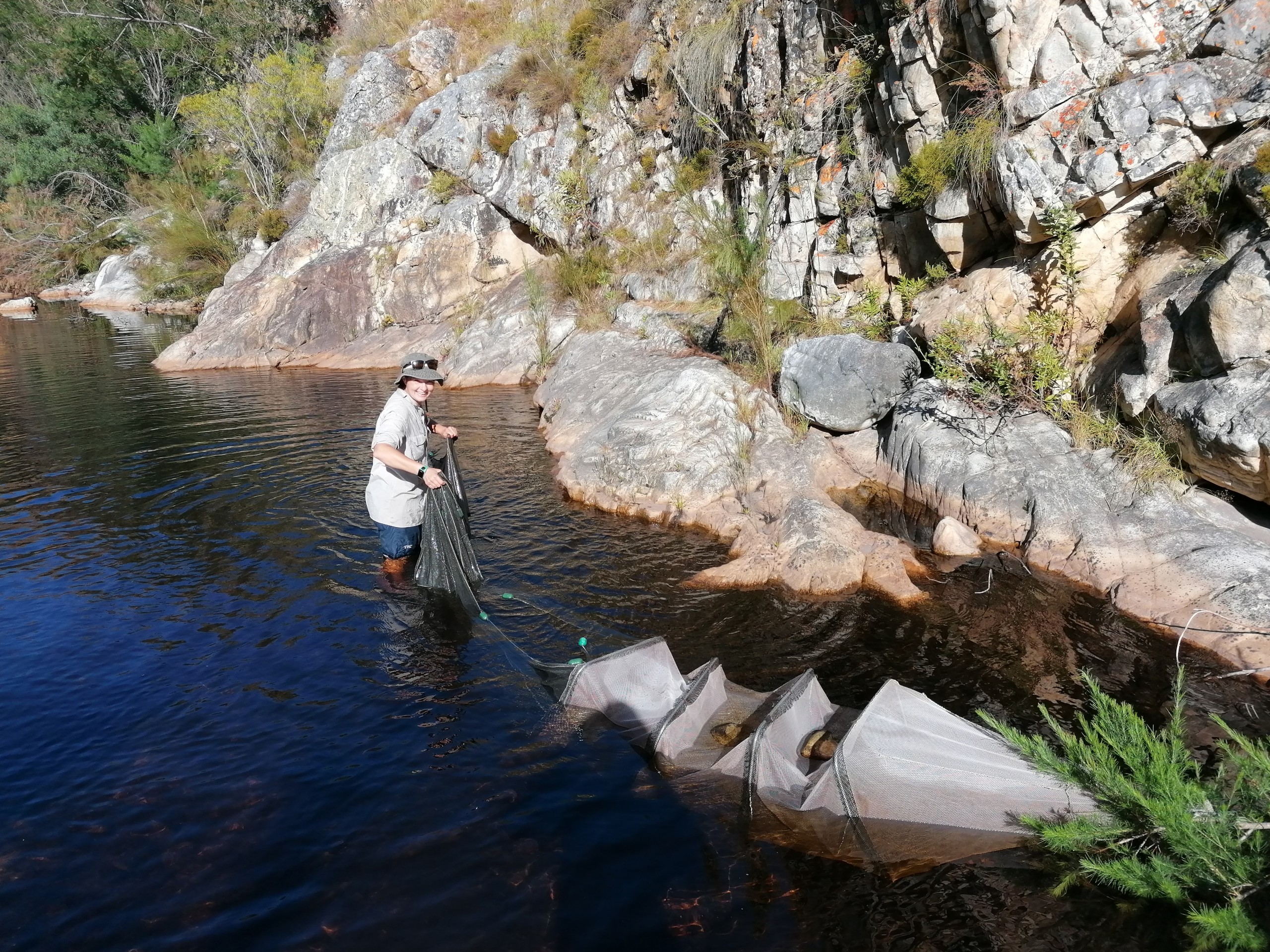
WESTERN CAPE – A newly described Paradiplozoon species has been named after CapeNature Fauna Ecologist, Dr Martine Jordaan, in recognition of her knowledge and passion for the aquatic life of the Cape Fold Ecoregion, her enthusiasm for studying the region’s fishes and understanding their parasitofauna.
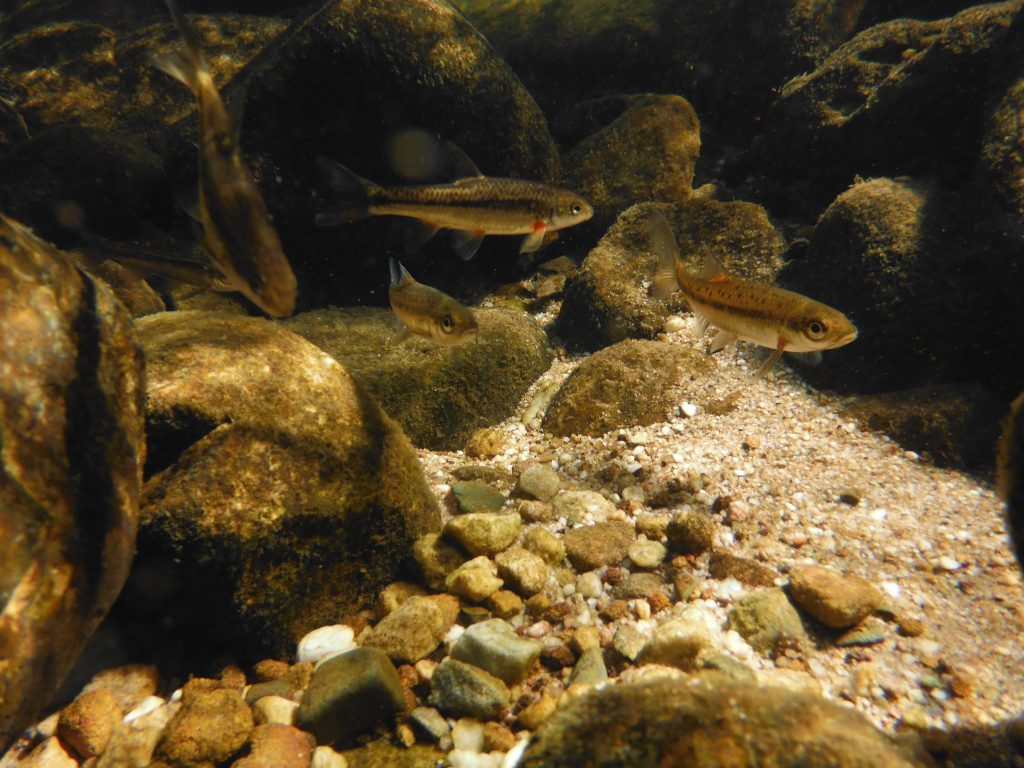
The newly identified species – Paradiplozoon jordaanae – is named after Dr Jordaan and was described through studies of parasites found on the gills of two near-threatened endemic freshwater fish species, the Clanwilliam sawfin (Cheilobarbus serra) and the Clanwilliam redfin (Sedercypris calidus), from the Matjies and Rondegat rivers in the Cape Fold Ecoregion.
Dr Ashley Naidoo, CapeNature CEO, said in a media release that the recognition highlighted the importance of collaboration in advancing conservation science in the Western Cape.
“Having a species named after Dr Jordaan is significant recognition, not only for her personally, but also for the freshwater biodiversity work being undertaken within the Cape Fold Ecoregion. This collaboration demonstrates how partnerships, both formal and informal, between conservationists and academic researchers can deepen scientific understanding and strengthen conservation outcomes. CapeNature is proud to see Dr Jordaan’s contribution recognised in this way.”
The species was identified by researchers from the Water Research Group at North-West University (NWU) following a collaboration that began nearly six years ago, when Dr Jordaan encountered an unusual fish parasite during fieldwork on redfin fish.
As part of the ongoing collaboration, Jordaan assisted researchers with extensive fish surveys and field sampling across river systems in the Western Cape, supporting work investigating parasite biodiversity, fish health, and species conservation.
“For me, the specialness of it is seeing how your little bit feeds into something bigger. It really shows the value of collaboration and what can be achieved when people with different expertise work towards the same goal,” said Jordaan.
Dr Jordaan added that conservation science often depends on partnerships that allow specialists from different fields to contribute towards a common conservation objective.
“In the case of fish parasites, there is this whole undiscovered world that you can basically only access under a microscope. And as conservation is such an applied and practical field, we do not always have time to investigate these specialist disciplines,” she said.


You must be logged in to post a comment.