The rapid spread of an invasive freshwater species in the Western Cape has raised serious environmental concerns, with authorities warning of potentially irreversible damage to fragile ecosystems.
According to a statement by CapeNature, authored by Dr Josie South of the University of Leeds and the South African Institute of Aquatic Biodiversity, Red Swamp Crayfish (Procambarus clarkii) have been spreading at an alarming rate since they were first detected in the lower Olifants River canal systems in 2022.
The species, originally introduced globally for aquaculture and the ornamental pet trade, is now being found increasingly further afield across the province.
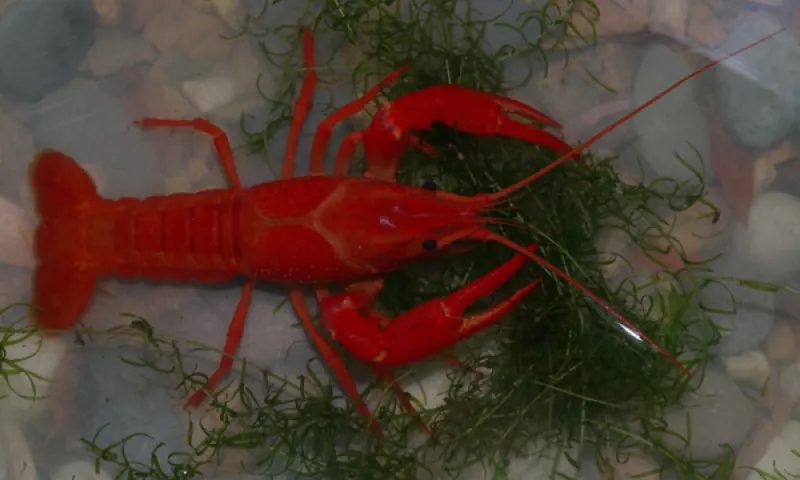
Easily identified by their dark-red colouring and distinctive S-shaped claws, these crayfish can also appear in a variety of colours, including white, blue, pink and brown due to selective breeding in the pet trade.
Prey on native freshwater species
The threat posed by the species is particularly severe in South Africa, as continental Africa has no native crayfish species. This leaves local freshwater ecosystems highly vulnerable, as indigenous species are not adapted to compete with or evade the invasive crustaceans.
Crayfish are known to be aggressive, large-bodied feeders that impact multiple levels of the food chain. They consume fish eggs, juvenile fish, amphibian larvae, aquatic plants and even other crayfish, disrupting natural nutrient cycles and biodiversity.
“Invasion by crayfish has been linked to declines in popular recreational fisheries in Europe and they have the capacity to rewire entire ecologies when they establish,” the statement noted.
The ecological impact extends beyond direct predation. In invaded areas amphibian tadpoles have been observed to metamorphose earlier to escape predation, while increases in mosquito populations have been linked to reduced numbers of native dragonfly larvae, which typically feed on mosquito larvae.
In addition, Red Swamp Crayfish carry harmful diseases such as crayfish plague and chytridiomycosis, which pose further risks to aquatic life.
Their burrowing behaviour also contributes to environmental degradation, destabilising riverbanks, damaging irrigation canals and increasing sedimentation in waterways.
CapeNature has warned that preventing further spread is critical, as managing established crayfish populations is extremely costly. Internationally, countries such as Canada spend up to R2 billion annually on damage control and eradication efforts.
Public’s help needed to curb further spread
Residents are urged not to breed, release or spread crayfish into the wild under any circumstances. The species is known to be highly resilient, capable of surviving out of water for up to 10 days if kept moist, and is adept at escaping captivity.
Shortly after the discovery in 2022 CapeNature said in a statement that they are making an effort to establish the full extent and origin of the invasion. As a custodian of the Western Cape’s natural environment they said that a response plan will be developed by relevant authorities after DNA samples are collected for comparison to existing populations, in order to properly tackle the issue.
NovaNews asked how far they have come with this process and Luke Folb, a spokesperson for CapeNature, provided feedback.
“At this stage, the full extent of the invasion is still being assessed. Research into the extent and impact of the invasive species remains ongoing, and this work will help to inform a coordinated response.
“It is important to note that the development of any long-term management strategy will not rest with a single entity, but will take the form of a multi-sectoral plan involving various government departments, scientific institutions, and key stakeholders.”
Authorities stress that early detection and public cooperation will be key to protecting the Western Cape’s unique freshwater ecosystems from long-term harm.
Members of the public who encounter freshwater crayfish are encouraged to report sightings immediately to CapeNature’s Dr Martine Jordaan (mjordaan@capenature.co.za) and to remove any individuals found in the wild.