High levels of inequality are making the world more vulnerable to pandemics while creating a vicious cycle that threatens both public health and economic stability, according to a major new United Nations report which was released today.
The comprehensive study, produced by the UNAIDS-convened Global Council on Inequality, AIDS and Pandemics after two years of research, reveals how inequality and pandemics feed off each other in a destructive pattern that puts millions of lives at risk.
“High levels of inequality, within and between countries, are making the world more vulnerable to pandemics, making pandemics more economically disruptive and deadly, and making them last longer,” the report states. “Pandemics in turn increase inequality, driving the cyclical, self-reinforcing relationship.”
Expert panel sounds alarm
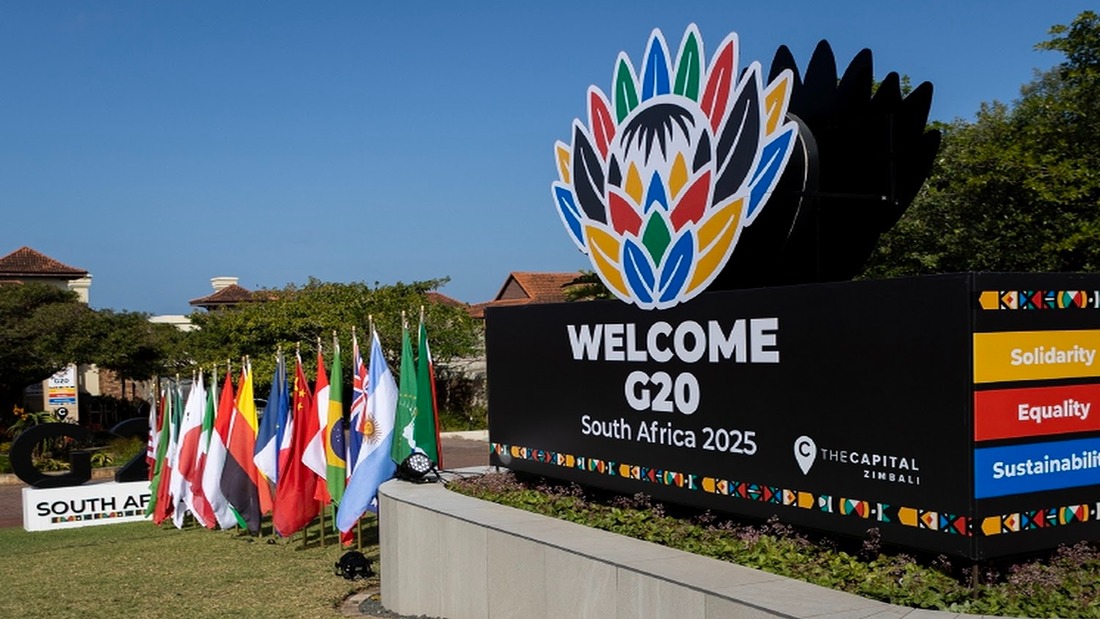
The findings come from a distinguished panel of experts led by Nobel Prize-winning economist Joseph Stiglitz, former Namibia First Lady Monica Geingos, and renowned epidemiologist Sir Michael Marmot. Their report arrives just ahead of the G20 summit in South Africa later this month, where world leaders will gather to discuss global economic challenges.
The researchers identified this “inequality-pandemic cycle” across multiple recent health crises, including COVID-19, AIDS, Ebola, influenza, and mpox outbreaks.
“Failure to tackle key inequalities and social determinants since Covid-19 has left the world extremely vulnerable to, and unprepared for, the next pandemic,” the council warned.
COVID-19’s devastating impact
The COVID-19 pandemic starkly illustrated these dynamics, the report notes. While the crisis “pushed 165 million people into poverty,” the world’s wealthiest individuals saw their fortunes increase by more than 25%.
“Inequality is a political choice, and a dangerous one that threatens everyone’s health,” Geingos said in a statement accompanying the report’s release.
To break this destructive cycle, the report calls on world leaders to dramatically increase pandemic preparedness through targeted investments in social protection systems and global inequality reduction measures.
“Pandemics are not only health crises; they are economic crises that can deepen inequality if leaders make the wrong policy choices,” Stiglitz explained. “When efforts to stabilise pandemic-hit economies are paid for through high-interest on debts and through austerity measures, they starve health, education and social protection systems.”
This approach, he argued, makes societies less resilient and more susceptible to disease outbreaks.
Policy recommendations
The report outlines several key recommendations for world leaders:
• Debt restructuring for developing countries to provide fiscal space for health investments
• More equitable access to treatments and health technology between rich and poor nations
• Increased funding for local and regional production of medical supplies
• Immediate intellectual property waivers once a pandemic is declared
“Breaking this cycle requires enabling all countries to have the fiscal space to invest in health security,” Stiglitz emphasised.
The timing of the report’s release is strategic, coming just weeks before the G20 summit scheduled for 22-23 November. Stiglitz is also expected to present a separate report on global inequality and poverty to the assembled world leaders.
The G20 comprises 19 leading economies plus the European Union and African Union, representing the world’s largest economic powers who have the capacity to implement the recommended changes.
ALSO READ: South Africa slides further down global governance rankings as Africa struggles