Oil prices plunged below $80 a barrel on Tuesday as optimism grew over the promised reopening of the Strait of Hormuz, easing inflation pressures on global economies despite traders eyeing the risk of Iranian “service fees” on ships transiting the vital waterway.
Brent North Sea crude, the international benchmark, dropped 4.0% to $79.87 a barrel, marking a three-month low and dipping below $80 for the first time since early March, before edging back up. The main US oil contract, West Texas Intermediate, slid 4.7% to under $77 a barrel.
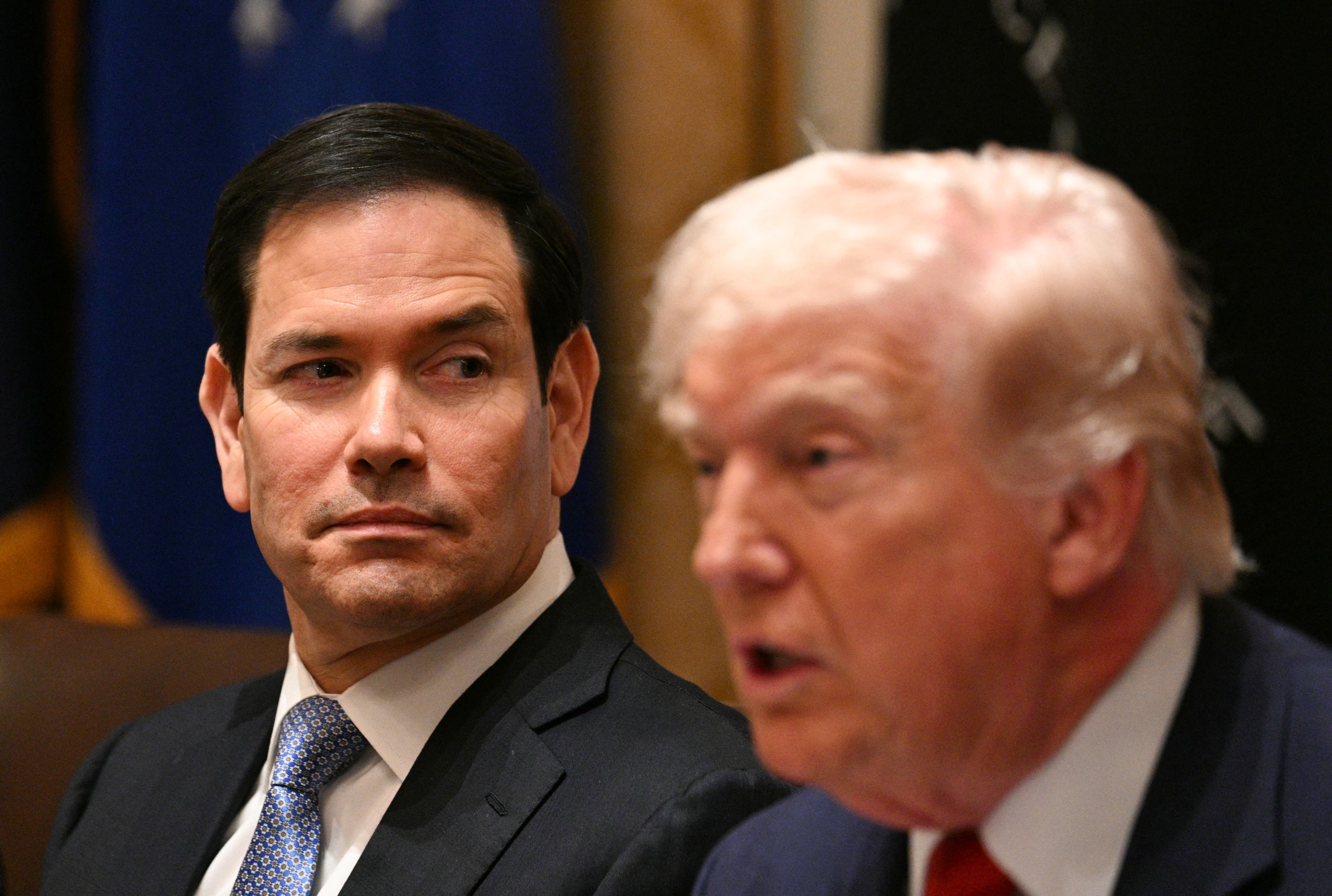
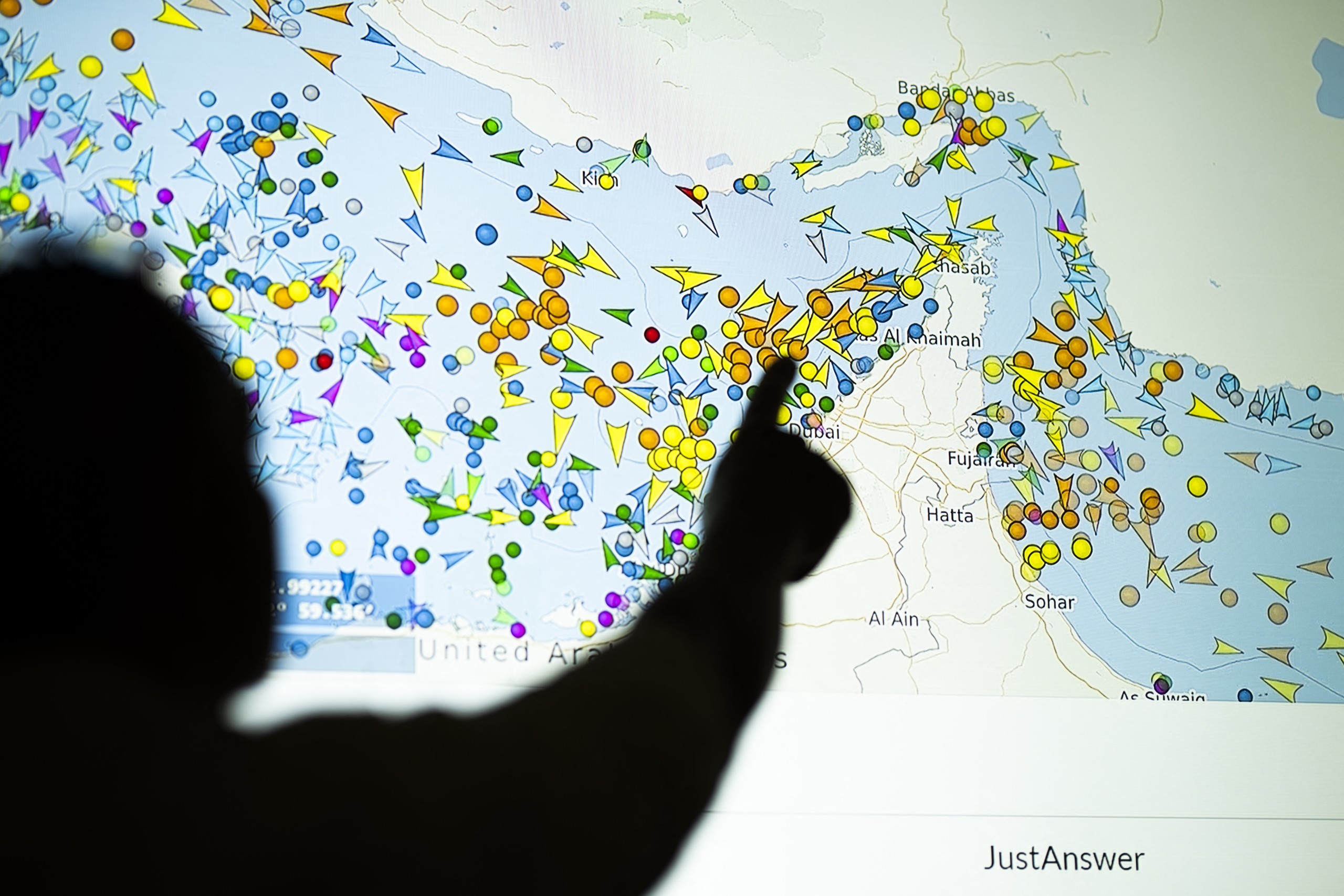
US President Donald Trump said the Strait of Hormuz would “completely open” once Washington and Tehran sign their peace agreement on Friday in Switzerland. Iranian media reported that three oil tankers and two cargo ships had already passed through the strait.
Wall Street showed mixed signals, with the Dow adding 0.8%, whilst the broader S&P 500 dipped 0.2% and the tech-heavy Nasdaq shed 0.4%.
“It’s normal for markets to want to consolidate their gains after strong up days, especially now that we’re still trying to figure out exactly what’s in the agreement that’s been signed,” said Steve Sosnick of Interactive Brokers.
Europe’s main markets closed higher, whilst Asia ended mixed.
Kathleen Brooks, research director at trading group XTB, said although the deal has not been formally signed, there already appears to be a peace dividend for markets. “We are seeing European markets play catch-up with the US, and this could continue, as some European indices remain below their pre-war levels,” including London’s FTSE 100 index, she added.
Tehran blockaded the strait after the US and Israel launched their war against Iran on 28 February, prompting Washington to later halt shipping to and from Iranian ports.
Despite the fall in oil prices, analysts warned that market conditions could remain tight for weeks or even months after the end of the conflict.
“Oil prices, for now, are hovering at the lowest level in two months, but it’s still trading at a premium compared to pre-conflict levels, demonstrating the ongoing uncertainties about supplies,” said Susannah Streeter, chief investment strategist at Wealth Club.
US Energy Department data meanwhile showed that America’s strategic oil stockpiles sank last week to their lowest level since 1983, indicating sustained demand to rebuild them even if the Middle East conflict ends.
Focus this week is also on a wave of central bank decisions. US Federal Reserve Chairman Kevin Warsh kicked off his first meeting in charge of the central bank’s rate-setting committee on Tuesday, with policymakers largely expected to keep rates steady as the fallout of the Iran war ripples through the world’s largest economy. The Bank of England is also expected to stand pat.
The yen was little changed after the Bank of Japan on Tuesday raised interest rates to their highest level since 1995.
Tech stocks received a boost from another blockbuster performance by Elon Musk’s SpaceX, which was up around 10%, and briefly almost 20%, for a second session in a row after listing at the end of last week.
ALSO READ: BREAKING NEWS | US and Iran reach deal to end war, reopen Hormuz