

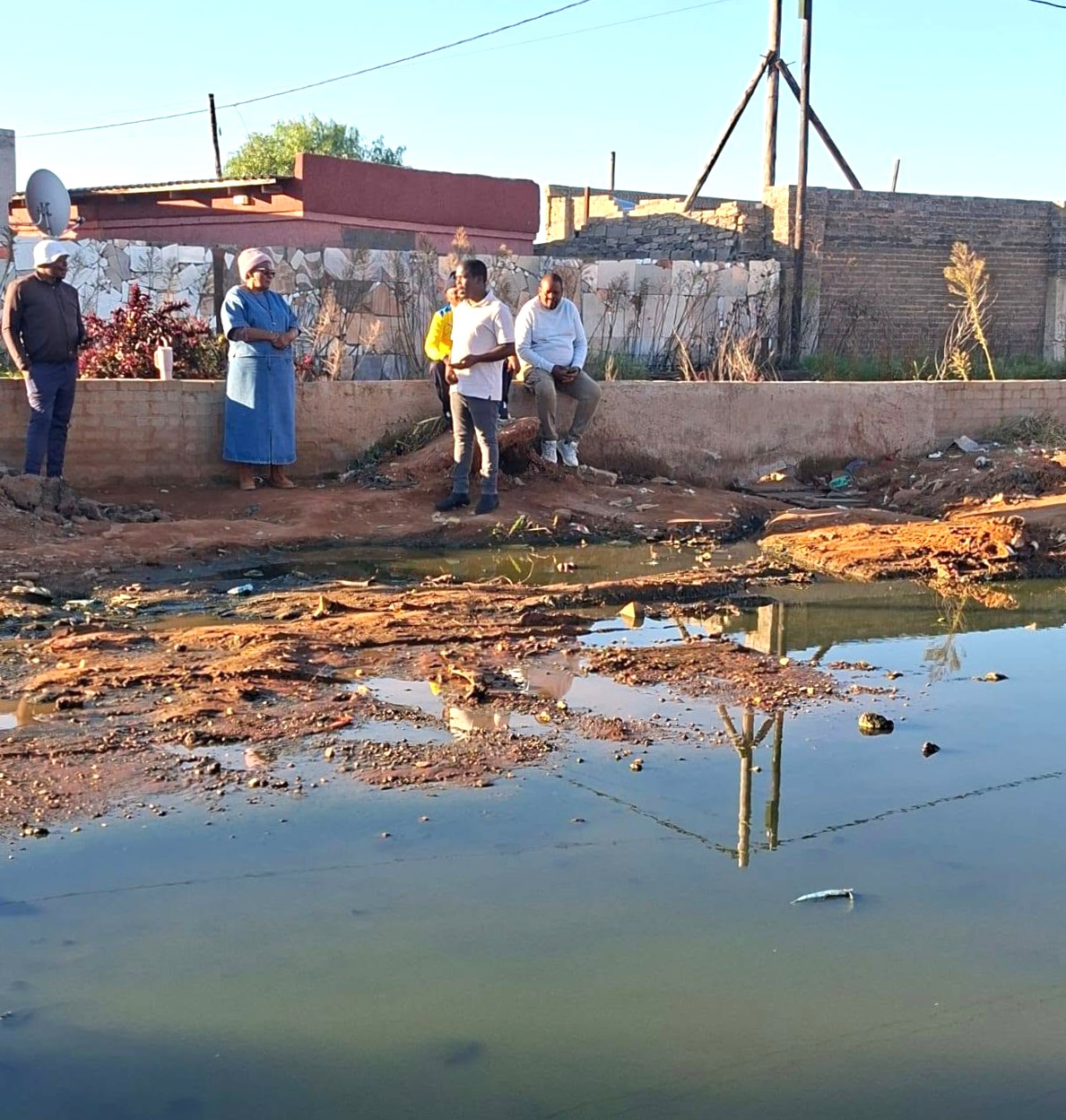
More than a quarter of children under the age of five in South Africa are stunted because of chronic malnutrition starting in the womb, made worse by repeated infections caused by unhygienic living conditions in informal settlements and poorly serviced areas.
With Local Government Elections set to take place in November, leaders should be positioning their municipalities as places where children can grow and thrive. Although South Africa is officially on a mission to end stunting by 2030, progress will depend on decisive action across every sphere of government.
Stunting means that children are abnormally short-for-age because of poor nutrition. It affects their physical growth and brain development. Consequently, they are shorter than their peers, have weaker immune systems and their chances of success in school, and later in life, are damaged even before they have learnt to speak.


“If we are to end stunting, we need to do two things,” says David Harrison, Chief Executive Officer at the DG Murray Trust. “First, we must ensure that children get enough nutritious food, and second, we must prevent gut damage that causes those nutrients to be lost through malabsorption. Preventing nutrient loss through chronic malabsorption and diarrhoea requires us to prevent infection and treat it rapidly when it occurs.”
The critical strategies needed to ensure adequate nutrition are:
- make protein staples more affordable,
- reduce the number of babies born too small and remediate those who are, and
- help communities to grow their own food.
Municipal mandate: Shaping environments where children thrive
Municipalities have a critical role to play in all of these strategies. The greatest window of opportunity to prevent stunting is during the first 1000 days, from conception until a child’s second birthday. This period is however not only shaped by clinics, but by the communities and environments that municipalities help manage every day.
Their decisions and delivery of basic services, like water, sanitation, waste removal and spatial planning, shape the environments in which children live and grow.
“There are clear touchpoints at community level that fall squarely within municipal control or influence, from improved service delivery to prioritising maternal and child nutrition in municipal Integrated Development Plans,” says Liezel Engelbrecht, Nutrition Lead for the Hold My Hand Accelerator, incubated by DGMT.
“Experiences from countries like Chile, Ethiopia and Brazil show that local governments can play an important role in reducing stunting by strengthening coordination across healthcare, sanitation, early childhood development, food security, and community support systems,” says Engelbrecht.
Here’s how municipalities can reduce stunting using what they already have:
Improve water, sanitation and waste removal services and prevent infections
Research shows that babies born with a low birth weight, because their mothers were malnourished whilst pregnant, drank alcohol or have HIV, are at higher risk of stunting. These factors influence growth and development in the womb, before birth.
However, environmental factors are a significant contributor too.

“Not having access to clean water, sanitation and solid waste removal can affect a child’s immune and gut health, and we know that compounding deficits in a child’s earliest years leads to stunting by the age of five,” Engelbrecht explains.
“These external factors linked to unhygienic living conditions can be reduced by improving access to basic services, especially in informal areas, and by strengthening environmental health systems that help reduce infection risks that contribute to stunting,” Engelbrecht adds.
Prioritise maternal and child health in Integrated Development Plans
Outside of some metros, the provision of primary healthcare is not a municipal responsibility, but this does not mean they do not have a role in promoting healthy pregnancies.
They must create supportive environments for pregnant women, by explicitly prioritising maternal and child health in their Integrated Development Plans, and by partnering with NGOs, community health worker programmes and community-based organisations to improve maternal nutrition, breastfeeding and optimal child feeding.
ALSO READ: New research exposes gaps in South Africa’s fight against stunting
A mother who is hungry, stressed and unable to access antenatal care during pregnancy is more likely to deliver a low birth weight baby with a higher chance of becoming stunted. But there are local support systems in place to help. In neighbourhoods across the country, community health workers are closing the distance between primary healthcare and residents by going door-to-door with information, guidance and support to new mothers.
“Local government can strengthen stunting prevention by supporting community-based outreach platforms that connect families to nutrition, health and social services,” says Engelbrecht.
Limit the density and opening hours of alcohol outlets
Maternal malnutrition and alcohol use during pregnancy are both contributors to low birth weight, underscoring the need for more effective measures to reduce alcohol-related harm, including Foetal Alcohol Spectrum Disorder (FASD).
ALSO READ: Drankverkope tydens verlengde ure in Noord-Kaap ongrondwetlik verklaar
“South Africa’s rate of FASD is ten times higher than the world average, affecting about one in twelve babies here,” says Harrison. “The Constitution requires all spheres of government to secure the wellbeing of the people of the Republic – and that must include children too. Municipalities have a crucial role to play in reducing heavy drinking, especially late at night and over weekends.
“This includes limiting the number of liquor outlets and restricting trading hours.”
Allocate unused land to urban food production
South Africa produces enough food to feed its population. However, poverty, rising food prices and unemployment mean families cannot afford to buy nutritious food. It is not a production problem; it is an access and affordability problem.
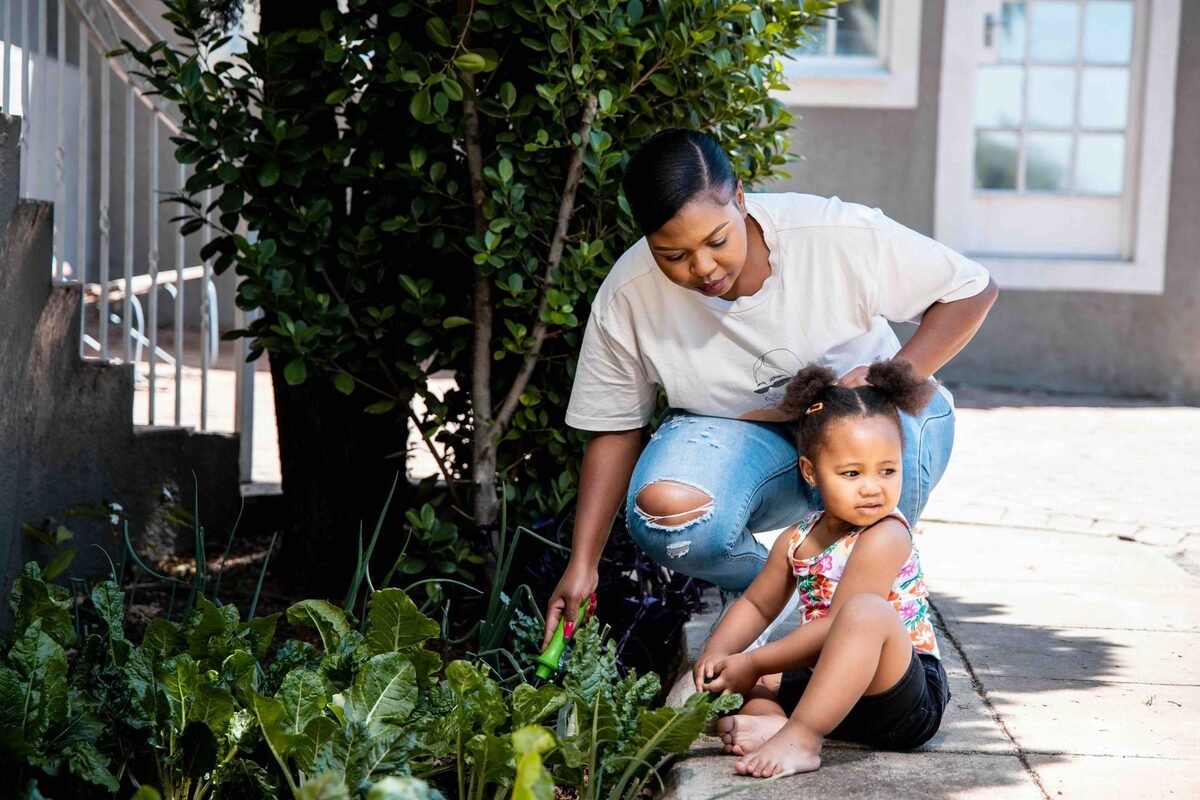
Whilst we tend to think of agriculture as a rural endeavour, it can be done in urban areas too. Two-thirds of South Africans live in urban areas so we should be creating linkages between urban food production hubs, community gardens and early childhood development (ECD) centres in low income communities.
“Over the past few decades, China has dramatically increased the amount of land available for community agriculture by allocating and ploughing unused municipal land for community food production,” says Harrison. “There’s nothing to stop us from doing the same. In fact, there are a growing number of examples across South Africa where NGOs and local governments are working together to support smallholder farming – expanding access to nutritious foods to households and ECD centres.”
“There is surely no greater responsibility on our leaders than to ensure that our children are sheltered, kept safe and well fed. This year marks a powerful opportunity to align national, provincial and local government priorities behind the mission to end stunting. To do this, we must place children’s wellbeing at the centre of our development agenda and think about how best to ensure that our children thrive,” Harrison concludes.
- DGMT is a South African foundation built on endowments from Douglas and Eleanor Murray. As a public innovator through strategic investment, DGMT is committed to developing South Africa’s potential. To this end, DGMT has identified 10 opportunities to escape the inequality trap and build a thriving society. These opportunities span early childhood development, innovation amongst civil society organisations, youth development, preventing nutritional stunting and promoting literacy.



You must be logged in to post a comment.