
New research has revealed significant shortcomings in South Africa’s efforts to combat child stunting, despite more than a quarter of children under five being affected by the condition.
The study, published as a special issue of Development Southern Africa journal, was funded by the DG Murray Trust and launched at Stellenbosch University on Monday. It comprises 10 peer-reviewed papers examining the country’s approach to addressing stunting.
The research found large inconsistencies in national stunting estimates, with figures ranging from approximately 20% to over 30% for the same period. This undermines measurement and accountability efforts, according to the findings.
“Research shows extraordinary social and economic returns when investing in the eradication of stunting. It’s difficult to think of a more important and socially advantageous investment to make in the future of South Africa,” said Professor Ronelle Burger from Stellenbosch University’s Department of Economics.
The study revealed that stunting prevalence has shown little change over the last three decades, despite policy attention to the issue.
READ ALSO: Helping Stellenbosch ECDs to feed learners and help them grow
Researchers identified fragmented responsibility across government departments, with health, social development and education all involved but no single accountable owner. Poor enforcement of food environment and formula-marketing regulations was also highlighted as a major concern.
“Without addressing stunting first, beginning in-utero and when children are very young, we dilute the impact of the money spent downstream on early childhood development centres, schools and clinics because we reach children too late,” Burger explained.
The research found that industry self-regulation of infant formula marketing is inadequate, with private-sector marketing of formula and ultra-processed foods undermining breastfeeding and optimal diets, particularly in low-income communities.
Proven solutions exist
Despite the challenges, the research identified several proven interventions that could make a significant impact. These include nutrient supplements combined with nutrition education, particularly for complementary feeding in children aged 6-24 months.
Small-quantity lipid-based nutrient supplements in targeted populations can improve diet and micronutrient intake, while nutrient-rich foods such as eggs improve diet quality. The study also highlighted the potential for mobile health tools to improve growth monitoring where primary health capacity is uneven.
Liezel Engelbrecht, nutrition lead at Hold My Hand Accelerator, said: “Aligning social protection measures for mothers and their children with nutrition policies, making nutritious food more affordable, and prioritising maternal nutrition, breastfeeding support and growth monitoring in the first 1 000 days of life all matter in the country’s efforts to end stunting.”
READ ALSO: Focus will be on ending childhood stunting by 2030, president says
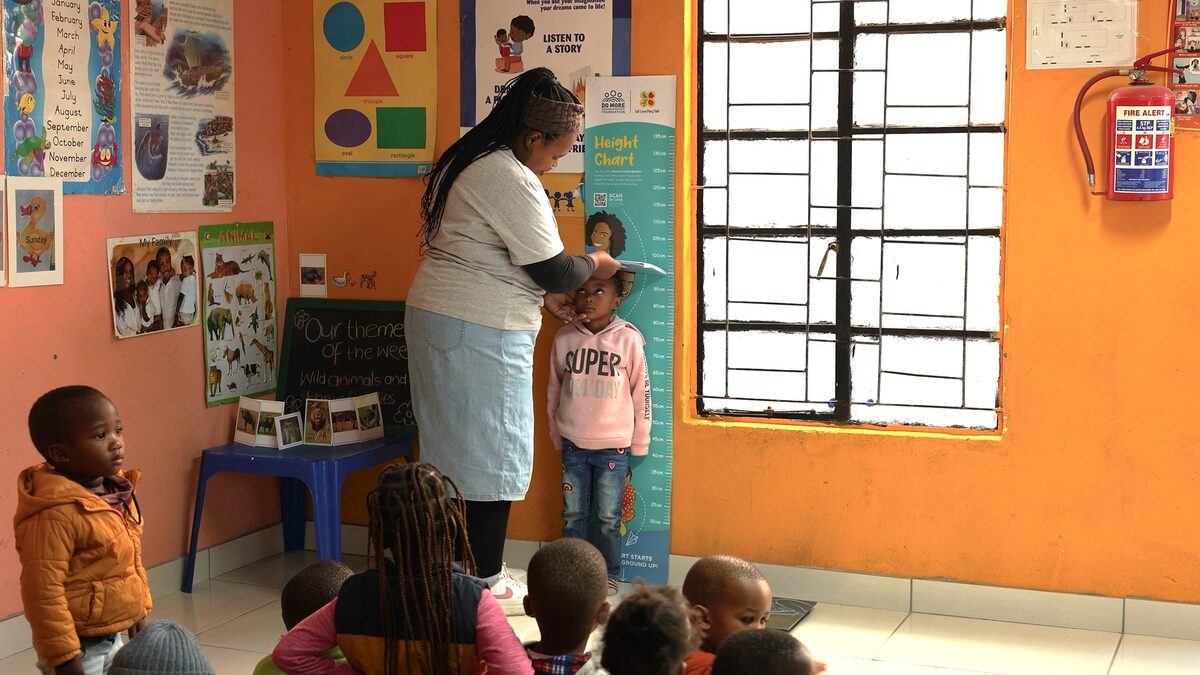
The research makes several specific recommendations to strengthen South Africa’s anti-stunting efforts. These include standardising nationally representative surveys for reliable tracking, creating a dedicated cross-departmental stunting policy with clear ownership, and setting district-level targets with regular public reporting.
Researchers also called for the finalisation of the National Food and Nutrition Security Plan, which has lapsed, and the establishment of a Food and Nutrition Security Council for oversight and coordination.
“We look forward to the finalisation of the new National Food and Nutrition Security Plan, and the establishment of a Food and Nutrition Security Council to provide the oversight and coordination needed to effectively align policies and drive implementation,” Engelbrecht said.
The recommendations come as President Cyril Ramaphosa has pledged to eradicate stunting by 2030, with a focus on the first 1 000 days of life.
The research involved contributions from the University of Cape Town, University of the Witwatersrand, University of the Western Cape, South African Medical Research Council, Nelson Mandela University and North-West University.
NGOs including Grow Great, Heala, Do More Foundation and Zero2Five Trust also contributed, along with policymakers from national and provincial government.
The special issue papers are available as open access until the end of April.