

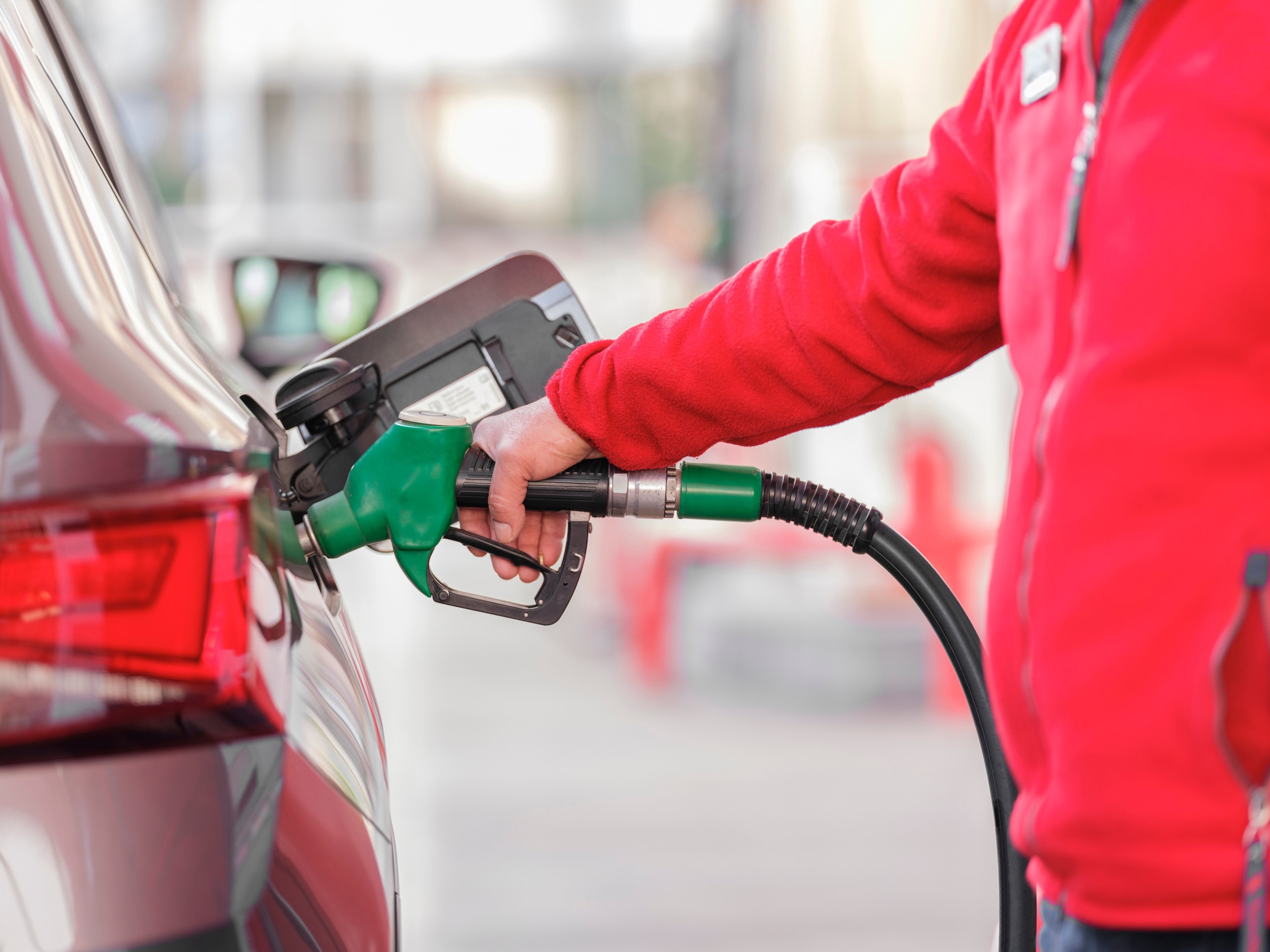
Mid-month projections from the Central Energy Fund (CEF) paint a grim picture for South African motorists, with significant fuel price increases expected in May.
The latest CEF data reveals that the country is experiencing one of its most severe fuel price shocks in history, driven by global oil market volatility and currency pressures.
According to CEF projections, petrol prices are building an under-recovery of between R2,62 and R2,99 per litre, while diesel faces a staggering under-recovery of R9,05 to R9,07 per litre.
These figures represent substantial decreases from the beginning of April, when under-recoveries stood at R8 per litre for petrol and R17 per litre for diesel, yet they remain critically high.
Breakdown of possible hikes
The projected increases translate to alarming pump price scenarios. Petrol 93 is expected to rise by 262 cents per litre, while Petrol 95 faces a 299 cents increase.
Diesel users will bear the heaviest burden, with wholesale prices projected to increase by over 900 cents per litre. If implemented, these increases would push diesel wholesale prices above R35 per litre, shattering records set in April 2024.
The situation becomes even more dire when considering the potential reintroduction of fuel levies. The National Treasury’s R3,00 per litre fuel levy cut, implemented in April at a cost of R6 billion to the fiscus, is set to expire in May.
If these levies are fully reintroduced, petrol prices could surge past R30 per litre, while diesel approaches R40 per litre – unprecedented levels that would severely impact transportation costs and inflation.
ALSO READ: Petrol up R3, diesel up R7: Record-breaking fuel increases hit SA motorists from April
In an interview with Kaya Biz on Kaya 959, Tseliso Maqubela, deputy director general of the Department of Mineral and Petroleum Resources, attributed the crisis primarily to global oil price volatility.
Oil prices surged from under $60 per barrel before recent Middle East tensions to over $110, currently trading around $95. This volatility, combined with South Africa’s import parity pricing system, directly translates international price shocks to local consumers.
The Rand’s depreciation has also contributed to the under-recovery, adding between 13 and 23 cents per litre to fuel costs. South Africa’s heavy reliance on fuel imports – between 60% and 70% of finished products – makes the country particularly vulnerable to these external shocks.
Still not finalised
While government officials indicate that discussions about additional relief measures are ongoing, with potential announcements expected by late April, no concrete commitments have been made.
The Department of Mineral and Petroleum Resources will announce final May fuel prices only days before implementation, leaving consumers in uncertainty.
For South African households and businesses already grappling with economic pressures, these projected fuel increases represent a significant burden that could ripple through the broader economy, affecting everything from food prices to transportation costs.


You must be logged in to post a comment.