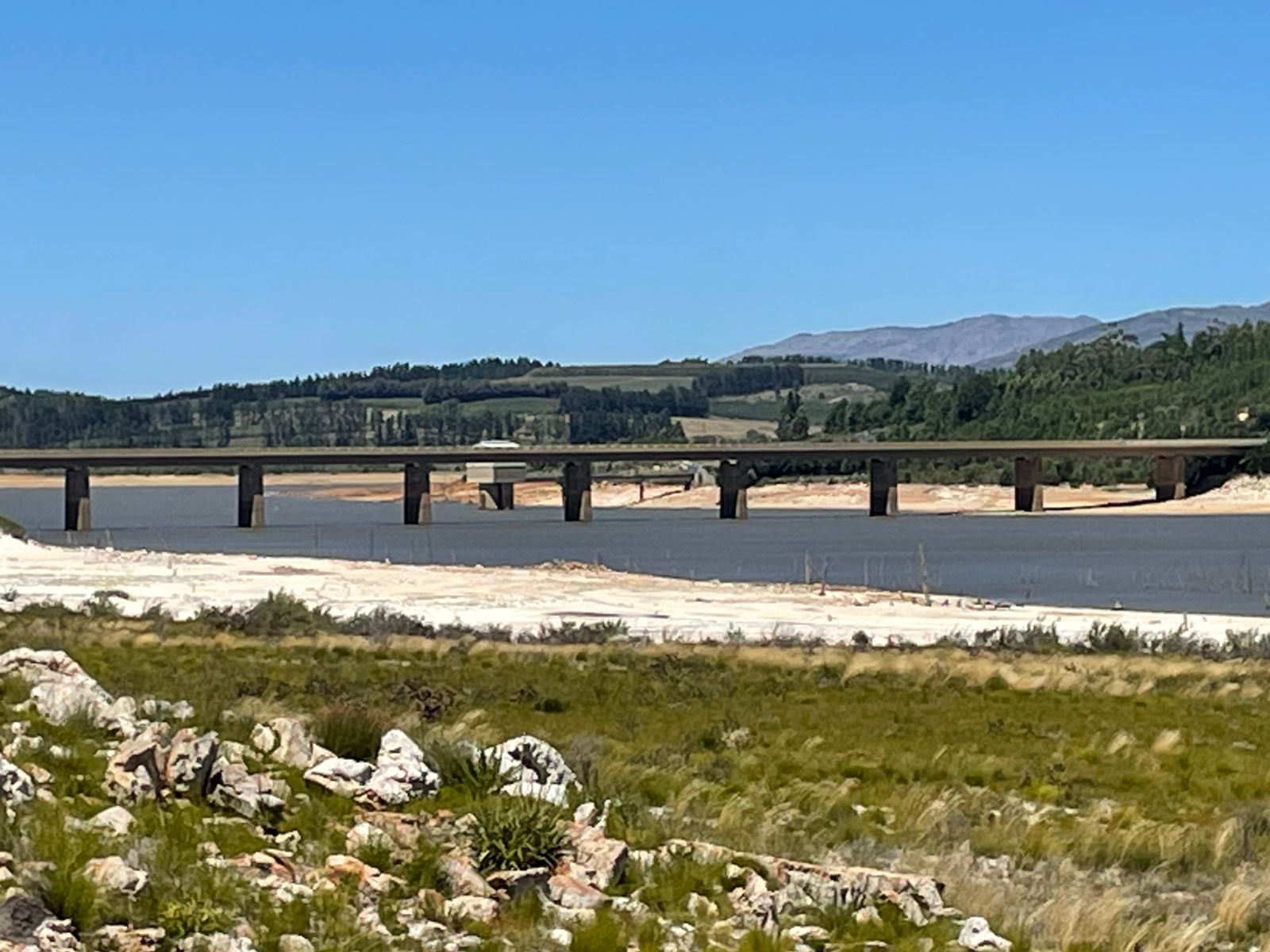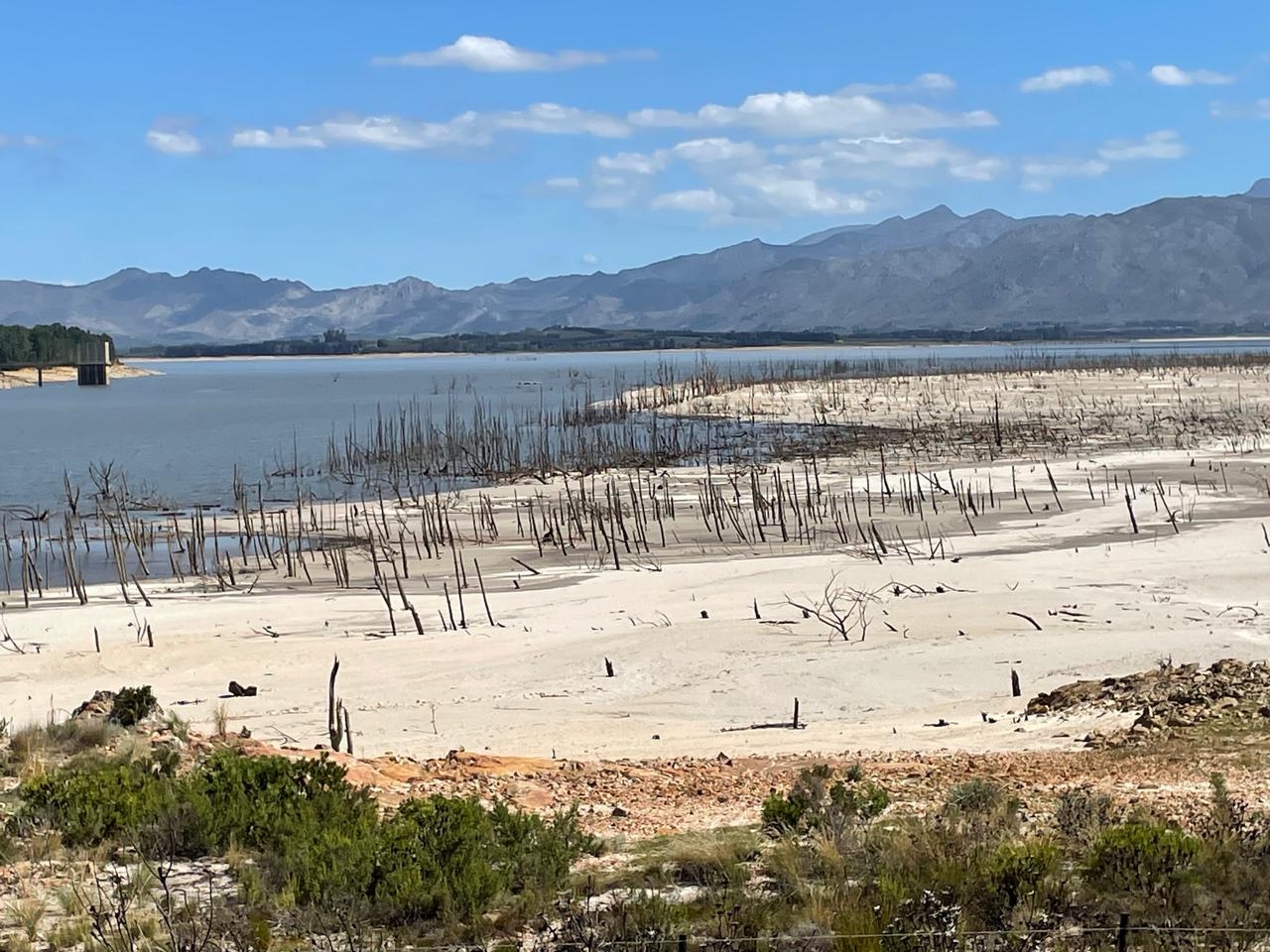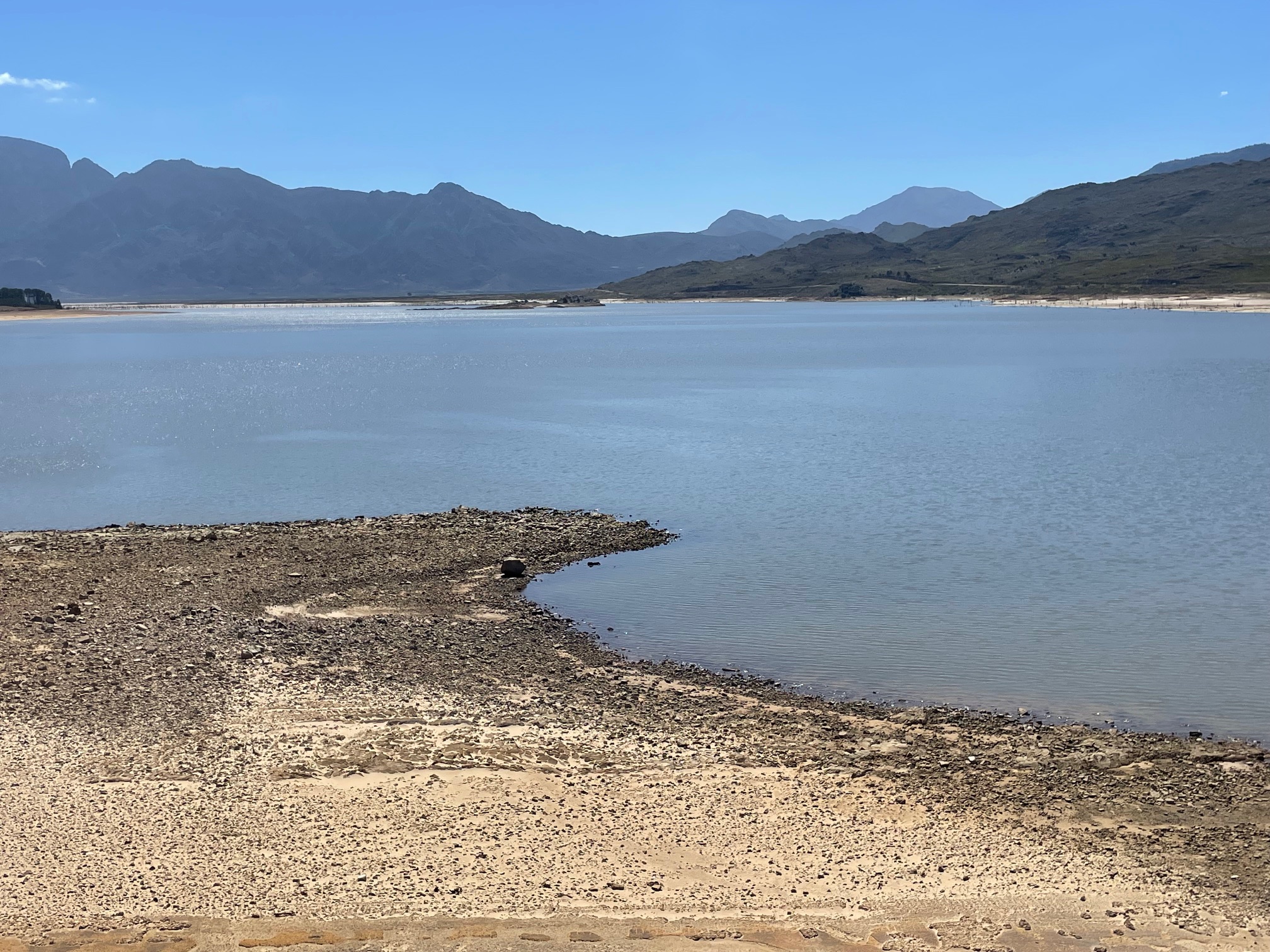
The ghosts of “Day Zero” are stirring once again as the City of Cape Town officially moved to an “Early Drought Caution” status this week.
New data reveals that dam levels have dropped to 44.8%, down from 45.9% just seven days ago.
With the Western Cape Water Supply System (WCWSS) now approximately 20% lower than it was at this time last year, officials are urging residents to tighten the taps.
Despite the warnings, the city’s consumption remains high – a trend that has prompted an urgent seasonal adjustment to the city’s water targets.
Zahid Badroodien, the Mayoral Committee Member (MMC) for Water and Sanitation, has warned that while the region is not technically in a drought yet, the window to avoid future restrictions is closing.
“As we move into the winter months, our daily water target has shifted from 975 million litres to 860 million litres (MLD),” Badroodien. “This seasonal adjustment is proactive – it ensures that our current dam levels last us through to the next rainy season.”
The latest figures show a significant gap between reality and the new goal.
“Currently, we are using 931 MLD – that’s 71 million litres over our new winter target,” Dr. Badroodien added. “We need every resident, business, and visitor to help us close that gap.”
According to the City’s Weekly Water Dashboard, the average water use per person is currently 166 litres per day, slightly higher than the 12-month average of 160 l/d.
An article by timeout.com highlights that Cape Town’s battle with water is a tale as old as the city itself.
In the late 1800s, as the growing suburbs began to outpace the natural spring water of ‘Camissa’, engineers looked toward the top of Table Mountain for a solution.
Between 1888 and 1891, the Woodhead Tunnel was constructed to divert water from the Disa Stream toward the city centre. Soon after, Scottish engineer Thomas Stewart was tasked with building reservoirs on the mountain’s flat summit.
Using cableways and steam engines, laborers cut sandstone by hand to build five dams over a 20-year period.
This mountain network includes the Woodhead (currently at 44.4% capacity), Hely-Hutchinson (14.4%) , Victoria (34.5%), Alexandra (29.7%), and De Villiers (54.5%).
While these dams once provided nearly all of the city’s drinking water, today they are ‘minor’ players.
At current consumption rates, Cape Town would drink these mountain reservoirs dry in less than three days.
The City maintains that there is no immediate reason for concern, but the “Early Drought Caution” is a call for continued water-wise use.
To avoid an “Accelerated Drought Response” later in the year, residents are encouraged to take the following steps:
Check for Leaks: Turn off all taps and check your water meter. If it is still moving, you have a leak.
Report Bursts: If you see a leak in the street, report it immediately to the City.
Be Water-Wise: Every drop saved now is water available for the summer ahead.
Official Reporting Channels: WhatsApp: 060 018 1505.
SMS (Water Faults): 31373.
Online: www.capetown.gov.za/ServiceRequests.