

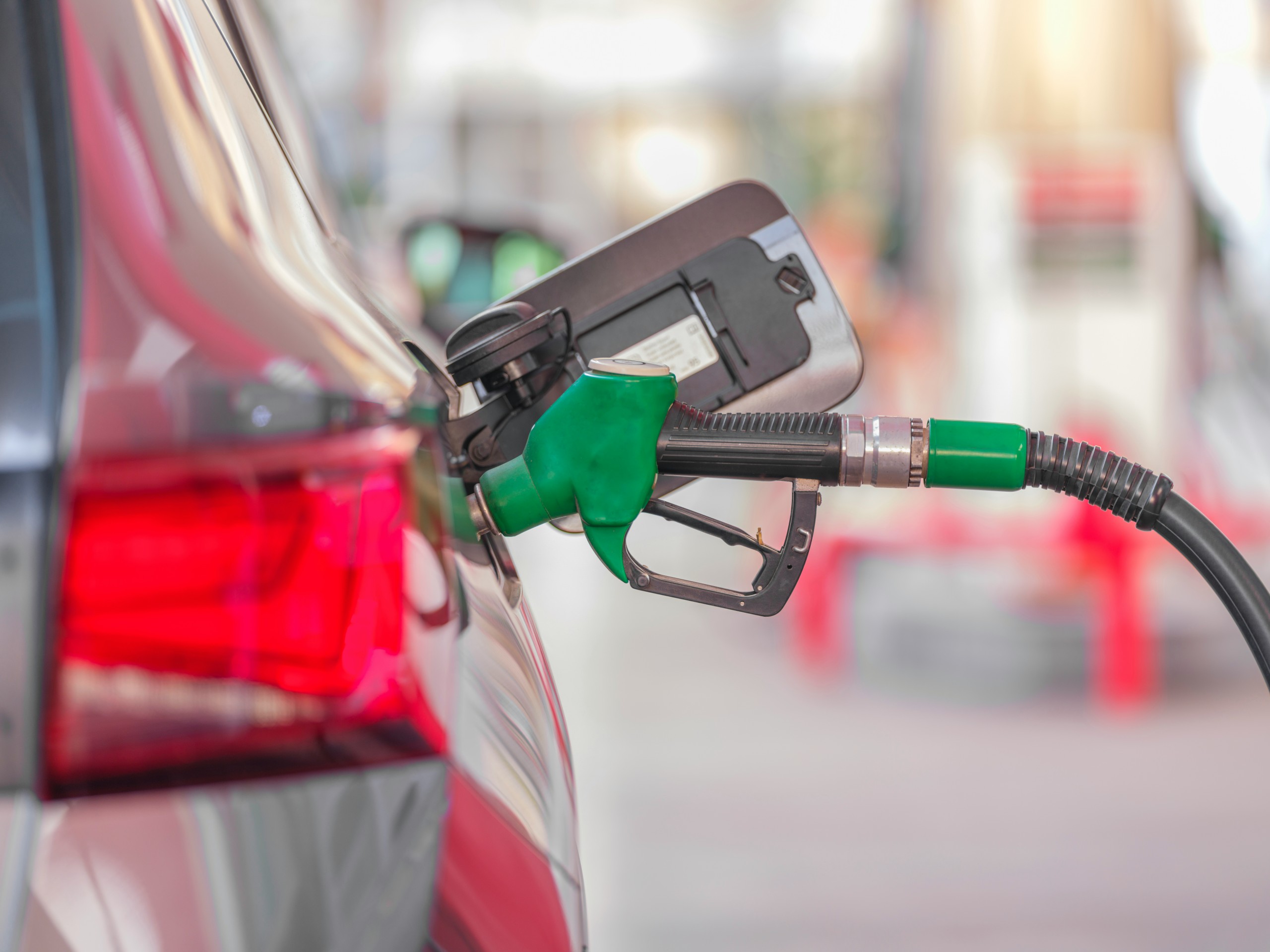
Motorists are facing a nightmare outlook for April, with mid-month data from the Central Energy Fund (CEF) indicating steep hikes for petrol and diesel alongside planned tax increases.
According to CEF’s mid-March data, petrol and diesel prices show significant under-recoveries due to the ongoing war in the Middle East.
Petrol prices show an under-recovery of 387-427 cents per litre, while diesel has exceeded the R7/l mark with an under-recovery of 704-715 cents per litre.
If these prices hold through April, Petrol 95 will reach R24.57 inland, levels last seen in March and April 2024.
The highest Petrol 95 has reached was R26.74 per litre in July 2022, when Russia invaded Ukraine, which followed market disruption from the COVID-19 pandemic and lockdowns.
Projected increases
The projected levels at mid-month are:
- Petrol 93: increase of 387 cents per litre
- Petrol 95: increase of 427 cents per litre
- Diesel 0.05% (wholesale): increase of 704 cents per litre
- Diesel 0.005% (wholesale): increase of 715 cents per litre
- Illuminating paraffin: increase of 899 cents per litre
The Department of Petroleum and Mineral Resources will announce the final price increases only a few days before the implementation date of the first Wednesday of each month.
Currently widespread appeals have been made to the government to intervene, similar to measures taken in 2022 when Russia invaded Ukraine. The government temporarily reduced the general fuel levy by R1.50 per litre.
Currently, however, the government will add 21 cents per litre to fuel taxes.
Oil price surge
The main driver of the substantial under-recovery in fuel prices is the surge in international product prices.
These prices are mainly tied to the global oil price and refining costs. As an importer of refined petroleum products, South Africa is significantly affected by this.
After trading below $60 a barrel at the start of the year, oil prices have risen sharply to above $100 a barrel, currently trading around $106.
The surge comes as a direct result of the United States and Israel’s bombardment of Iran, which has resulted in military escalations and war in the Middle East.
The Strait of Hormuz is central to the situation. The strait is one of the world’s most crucial energy chokepoints, where an average of about 20 million barrels per day is shipped through. This represents roughly 20% of global petroleum liquids consumption.
The war has reduced shipping through the strait, with recent escalations further restricting vital ports in surrounding regions.
In a sign of how the war is affecting global crude supply, the International Energy Agency said on Sunday that oil from an unprecedented stockpile release will be made available immediately in Asia.
Rand weakens
Reflecting wider global turmoil, the rand’s gains over the last few months have been cut short, with the currency trading around R16.85/$ after falling below R16/$ last month.
The rand has remained resilient, however. While the currency has followed emerging markets in weakening amid the war, it has benefited from a boost in commodities like gold and platinum.
Investors have pulled out of riskier markets and moved into safe havens. This includes gold, one of South Africa’s key exports.
The country also stands to gain from shipping being rerouted around the Cape to avoid blockages in the Middle East.
ALSO READ: Oil prices surge past $100 as Middle East war triggers global economic crisis


