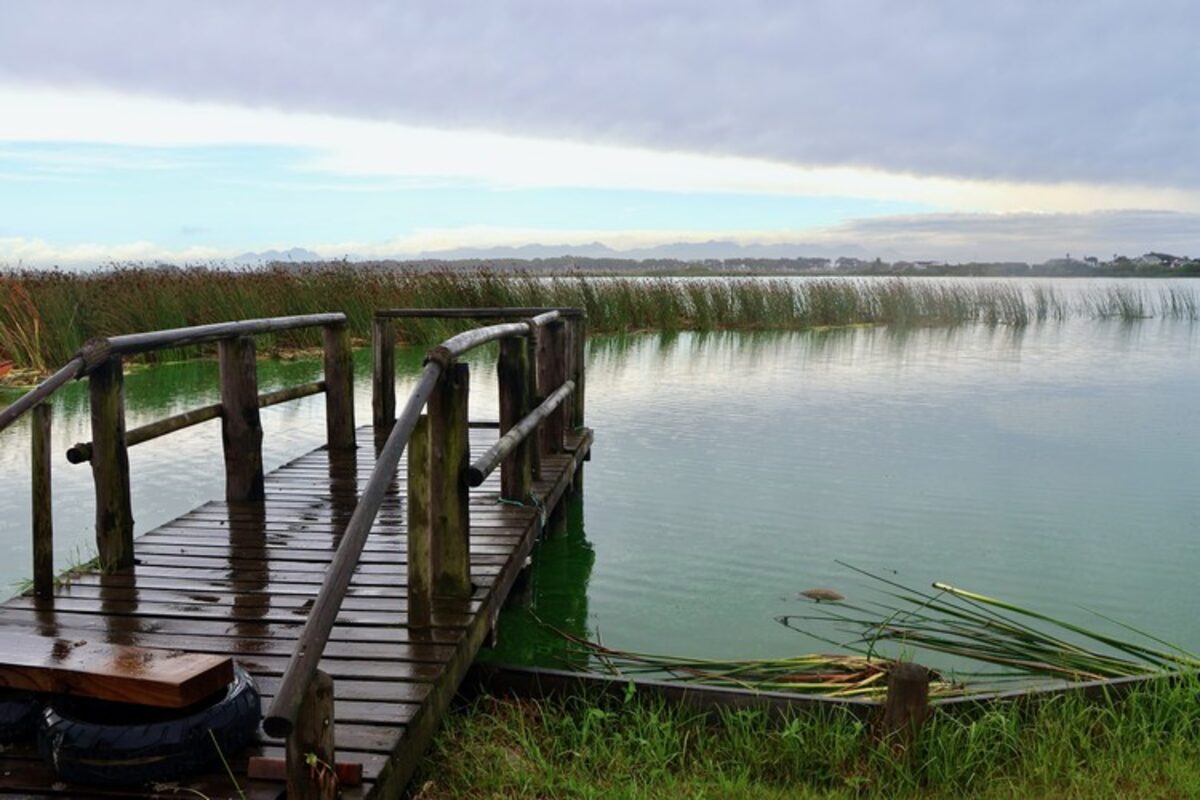
CAPE TOWN – Having been closed for two years already, when the Zeekoevlei freshwater lake will be reopened remains a mystery.
It was found to have “high risk” levels of toxicity of the freshwater lake, which posed a significant health and ecological risk, says the City of Cape Town.
The water body’s extended closure has barred all recreational activities, including fishing, as dangerous toxin levels persist throughout the False Bay Nature Reserve system.
Its 2024 closure, after blue-green algae blooms producing elevated microcystin levels were found in it, protects public health against serious risks associated with cyanobacterial toxins.
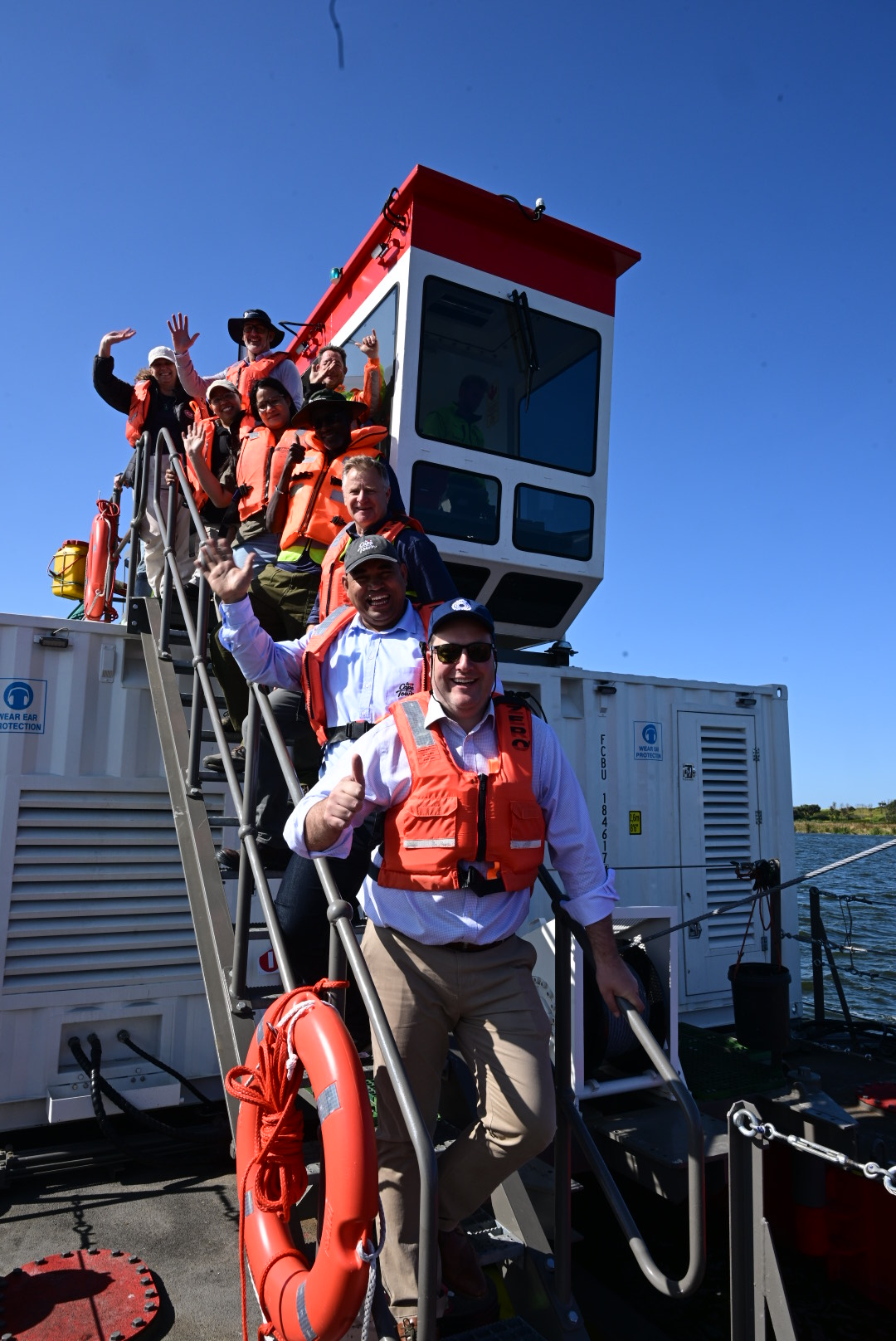
To alleviate the issue the City was undertaking a major 26-month, R100+ million dredging project at Zeekoevlei, launched in June last year, to remove 360 000+ m³ of nutrient-rich sediment from Storm and Home Bays.
This aims to improve water quality, reduce algal blooms and restore the ecosystem using a specialised floating suction dredger, with material pumped to the Cape Flats Wastewater Treatment Works for drying.
The lake is 258 ha in area and located in the Southern Suburbs of Cape Town.
The Deputy Mayor and Mayco member for Spatial Planning and Environment, Eddie Andrews, confirmed current Microcystin levels at all sampling points fell within the “very hig- risk” category, exceeding 30 µg/L.
“The bloom poses a significant health and ecological risk, and a precautionary approach remains essential,” Andrews said.
Reopening requirements
Before any reopening can occur Zeekoevlei must record two consecutive toxin readings below the “high risk” category of 20 µg/L.
Unfortunately, officials cannot predict when this milestone will be achieved.
Andrews explained that blue-green algal blooms respond to environmental factors including temperature, wind and nutrient availability, with late summer and autumn typically favouring algal growth.
Long-term solutions needed
While a dredging project aims to reduce pollutants within Zeekoevlei, addressing the root cause requires mitigating nutrient and pollutant inputs from the upper catchment. Current E. coli readings in the in-flowing Big Lotus River remain above safe thresholds.
“Ideally, addressing nutrient sources would help ‘starve’ the bloom, but in hypertrophic systems such as Zeekoevlei this is challenging,” Andrews noted.
Ongoing monitoring
The City continued monitoring the system closely, prioritising user safety through science-based health risk thresholds.
The precautionary closure reflects the serious nature of cyanobacterial toxin exposure and can cause severe illness in humans and animals.
Residents should remain patient while authorities work towards sustainable solutions for this valuable recreational resource.