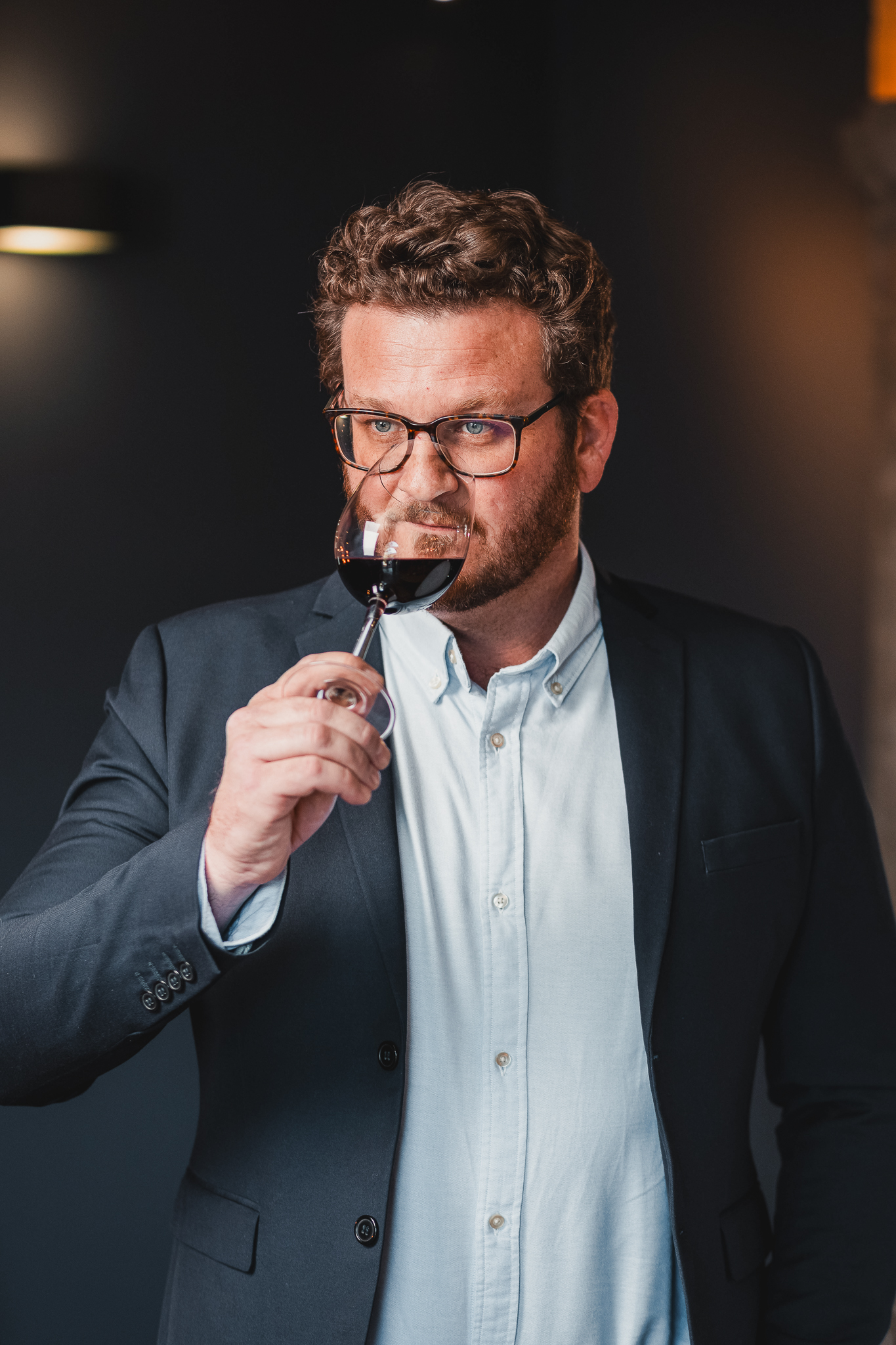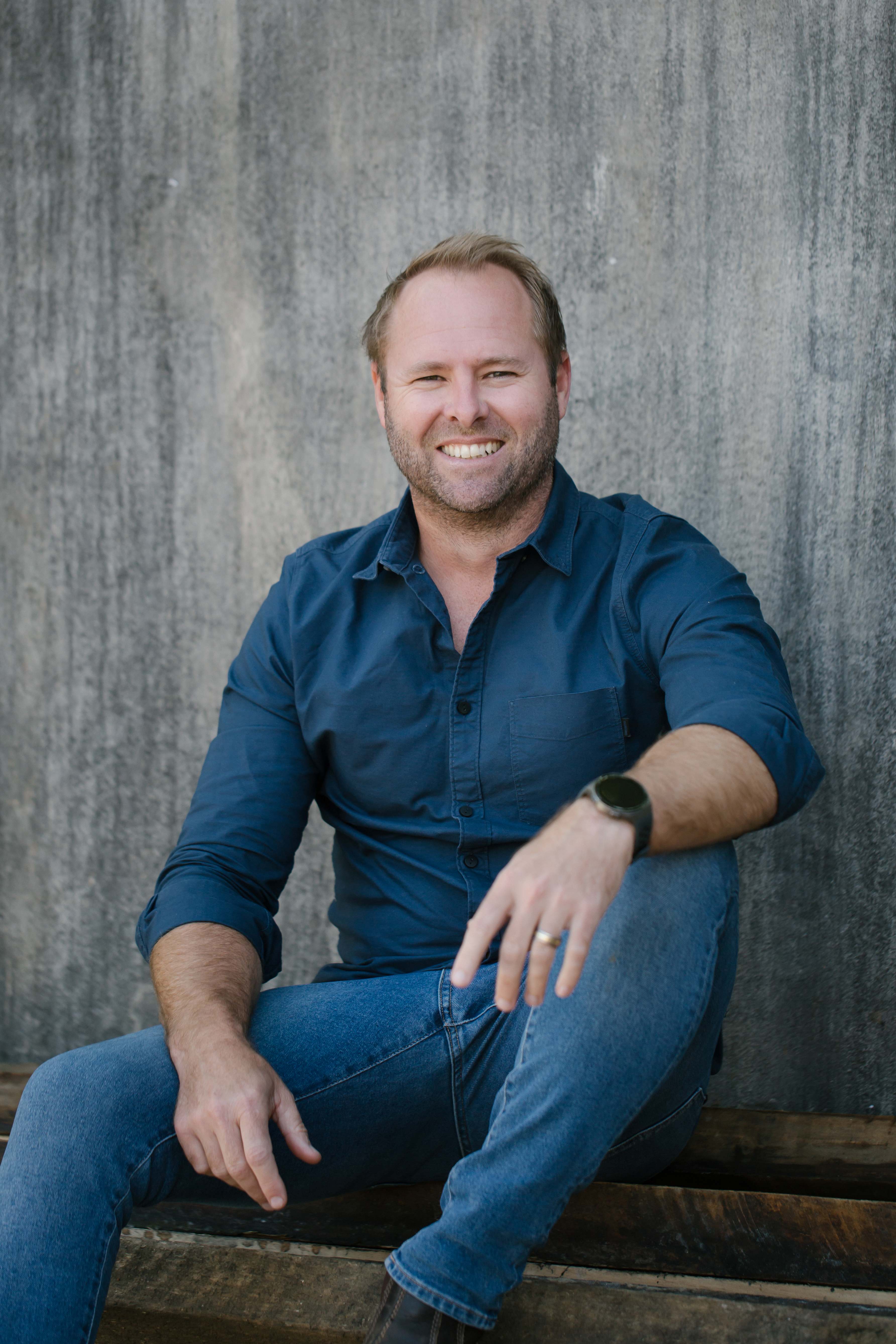
STELLENBOSCH – Henning Retief has reached a milestone that speaks to both longevity and consistency in South African viticulture: 20 years as viticulturist for Kleine Zalze Wines in Stellenbosch.
Since joining the estate in 2006, Retief has overseen the vineyard operations behind one of the country’s internationally recognised wine brands, now owned by French wine company Advini. His role extends beyond the estate’s own blocks, managing a sourcing network of approximately 60 producers, with around 90% of fruit drawn from Stellenbosch and the remainder from Durbanville, Darling and Piekenierskloof.
Retief’s approach centres on matching cultivar to site. “What is the site giving us?” is the question he brings to each vineyard visit, examining slope, aspect and soil type to determine the most suitable grape varieties.
His connection to agriculture predates his career. Both parents grew up on farms, his family has roots in Swartland sheep country, and he spent school holidays driving tractors and helping with harvests. He grew up in Strand and Somerset West, surrounded by the wine industry.
After early experience at Annandale wine farm under Hempies du Toit and time in Robertson, Retief first worked at Kleine Zalze during the 1999 harvest. At the time, parts of the farm had no roads or houses. When he returned in 2006 to take up the permanent position, the estate was in a period of significant development.
His annual work follows the vineyard calendar: pruning from June through August, spring viticultural preparation, then harvest, where he monitors sugar levels and ripeness plot by plot. The 2026 harvest arrived approximately three weeks earlier than expected, with Shiraz running two weeks ahead of the previous year.
Kleine Zalze was among the first estates in Stellenbosch to adopt metal vine poles at scale, enabling easier mechanical harvesting and reduced maintenance costs. Retief maintains that technology should strengthen, not replace, fundamental viticultural practices.
He currently works with one or two producers on Alvarinho, the Portuguese white grape variety he describes as scarce and distinctive. He also works with Grenache, Cinsault, Cabernet Sauvignon and Chenin Blanc.
Building relationships with growers forms a significant part of his role. “You need trust,” Retief said. “Open, honest, long-term relationships. I look for growers who are willing to adapt, to evolve, to try new approaches.”
After two decades at the estate, Retief said he has stayed because of the people and the environment, with colleagues becoming close friends over the years.
ALSO READ: Kleine Zalze backs new tourism guide training project for Stellenbosch