
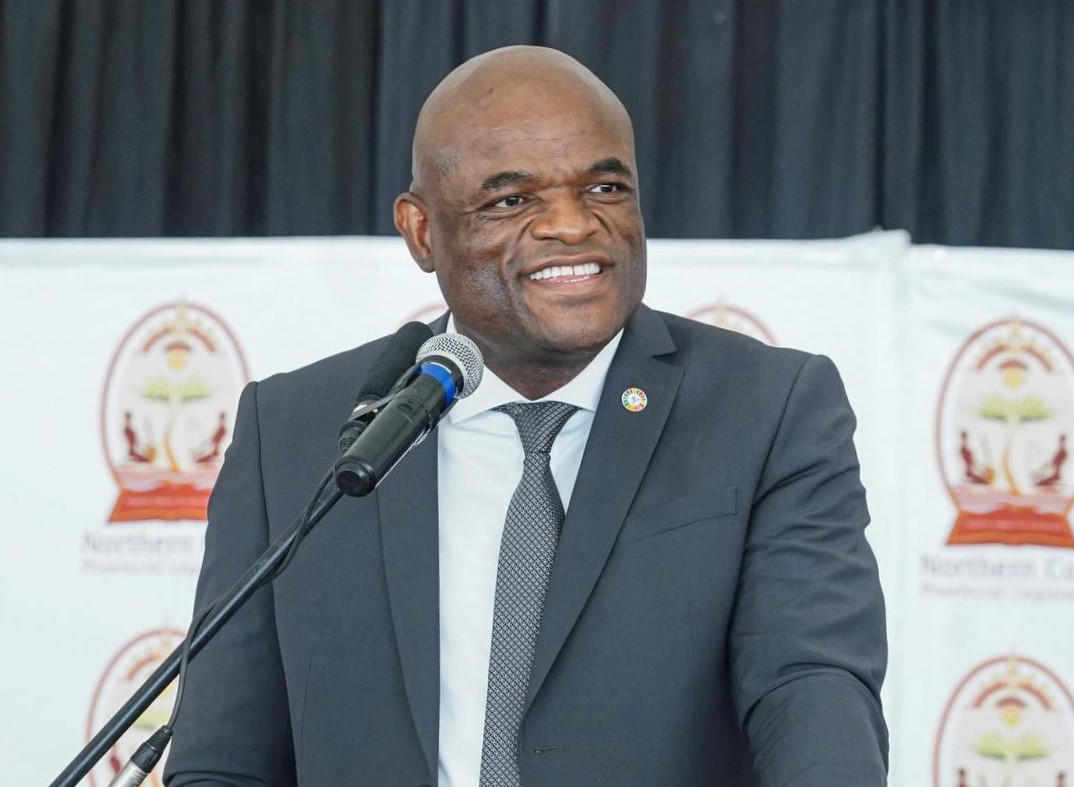
SPRINGBOK – The Northern Cape is projected as the new growth front for South Africa, enabled by the province’s resource profile, which includes minerals, energy, infrastructure, and agriculture. Resource and energy development investments in the province provide the country with a new growth front beyond the current industrial triangle of Gauteng, KwaZulu-Natal, and the Western Cape.
Delivering his annual State of the Province Address on Thursday 26 February at the Bergsig Sports Ground in Springbok, Dr Zamani Saul, premier, said the aim is to maintain sectoral focus and build on it, also moving beyond sectoral focus into value-added activities, manufacturing, and new-horizon opportunities.
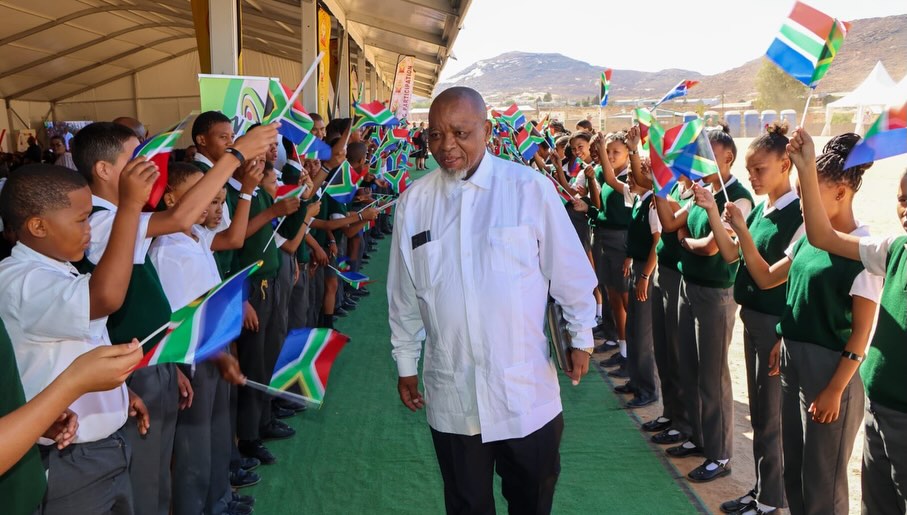
Saul said the key to this is to ensure global access through the Boegoebaai Harbour and Special Economic Zone, with value chain and logistics linkages to the Northern Cape Industrial Corridor, remarking that in partnership with Transnet, progress was made towards the realisation of the harbour.
“This is all unfolding amid a complex and uncertain global environment. Whilst global uncertainty remains a concern, improved bilateral trade positions the province to sustain export momentum, deepen value-chain participation, and strengthen its integration with Asian markets.
“Beyond trade tensions among major global economies, our mining sector continues to anchor export earnings, agriculture remains our largest employer, and the ever-growing green economy provides an avenue for job creation, diversification, and localisation. The Northern Cape accounts for 60% of the country’s renewable energy projects,” he said.
‘State of local government worrisome’
Contrary to his vision of 2019 to build a “modern, growing and successful province”, Saul also said the state of local government is worrisome.
“But we are determined to turn this around,” he remarked, saying the immediate focus is on the areas that matter most to communities: water and sanitation, electricity, roads, waste management, and human settlements. He mentioned the adoption of a focused Municipal 10-Point Plan to, among other things, strengthen public participation and improve service delivery in hotspot wards. Disciplined financial management, improvement of billing systems, acceleration of infrastructure maintenance, and more, are part of this plan.
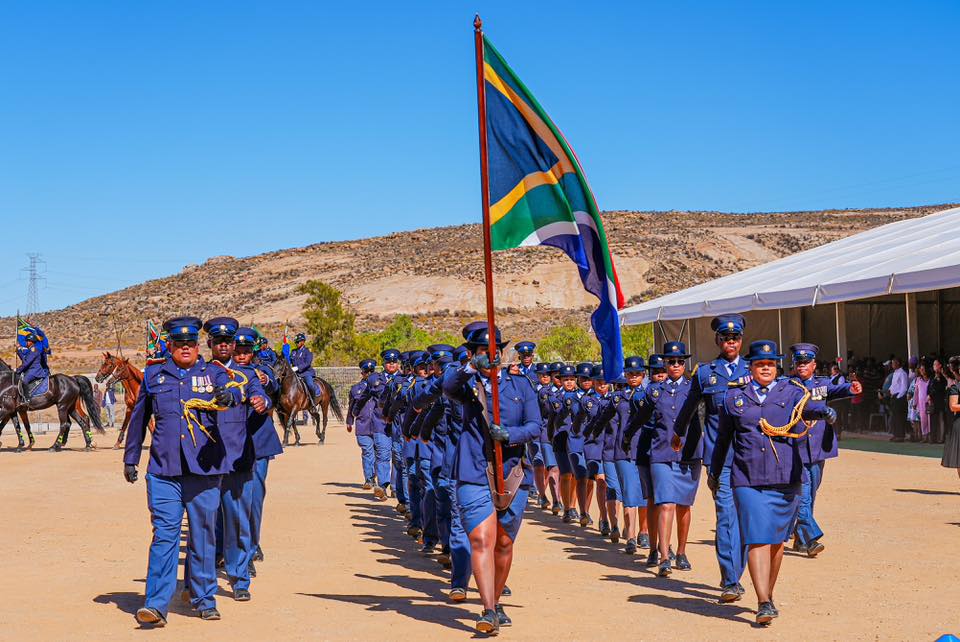
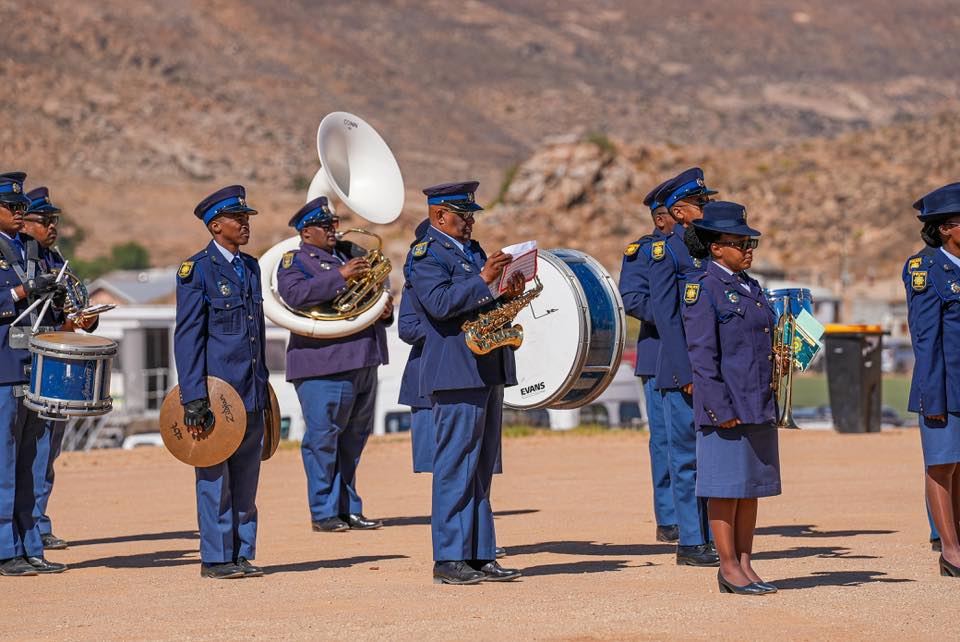
Saul said the provincial government is mindful of water challenges in some of the municipalities, “and as government we are making concerted efforts to address water and sanitation infrastructure”.
Road infrastructure is a critical enabler for the province, and the collaboration of the South African National Roads Agency (Sanral) and the provincial government yielded significant results. The province consists of 26,530 kilometres of provincial network, and a process to transfer an additional 650 kilometres of key strategic economic roads to Sanral is underway.
The province is home to a unique, national strategic asset: The Vaalputs Radioactive Waste Disposal Facility, the only one of its kind on the African continent. A planned investment of R2.5 billion will be directed to this facility, reinforcing Vaalputs’ role as the national hub for nuclear waste management and supporting long-term nuclear security.
ALSO READ: !Khuboa’s dignity repaired by an updated IT system
On education, Saul mentioned that ten new and replacement school projects have been activated. The province is strengthening the agricultural skills pipeline through a partnership with the Vine Academy and Model Farm in Kakamas. This is designed to address human resource capacity and skills gaps in the agricultural sector.

Also, the provincial government will spend R955 million on improving the public health care facilities in the province. Upgrades of facilities are underway with some nearly completed, for the Galeshewe Day Hospital, Steinkopf Clinic, Griekwastad Community Health Centre, Keimoes Hospital, Logobate Community Health Centre, Tshwaragano Gateway Clinic, Kuruman Hospital (accident and emergency facility), Connie Vorster Hospital, as well as an accident and emergency expansion, and laundry upgrading at the Robert Mangaliso Sobukwe Hospital.
New health facilities are underway for Dithakong, Schmidtsdrift and Roodepan, and grants have been allocated for the upgrading of sport grounds and facilities at Matjieskloof, Strydenburg, Fraserburg and Kuilsville, and for construction of such a facility at Van Wyksvlei.
‘Big announcements do not materialise’
The premier is prioritising headline-grabbing “mega projects” over the urgent task of fixing what is deteriorating in the Northern Cape, without presenting anything fundamentally new, different or decisive to turn this province around. In his reaction to the Northern Cape’s State of the Province Address, Isak Fritz, MPL and DA provincial leader, said until what is broken is fixed, every mega project and ambitious promise will continue to ring hollow.
Without reliable electricity, water, refuse removal and road maintenance, SMMEs also cannot expand and permanent employment will remain out of reach. Social grants remain a necessary safety net and are not an economic strategy. Grants provide relief but jobs provide dignity.
“The Premier speaks of a solar park in Upington whilst the Upington Industrial Park underperforms,” Fritz said.
In his comment, Theo Joubert, MPL and FF Plus provincial leader, said it reminds of the previous addresses where big announcements were made that did not really materialise.
The provincial Department of Health is still in a crisis, and the premier’s remarks that access to basic services such as water and sanitation have improved are in stark contrast with what is experienced on a daily basis in many towns where residents are without tapped water for days and sometimes weeks.
“The people of the Northern Cape do not need more visions and promises. They need water that flows, infrastructure that works and a government that fulfils its constitutional duty,” Joubert said.


You must be logged in to post a comment.