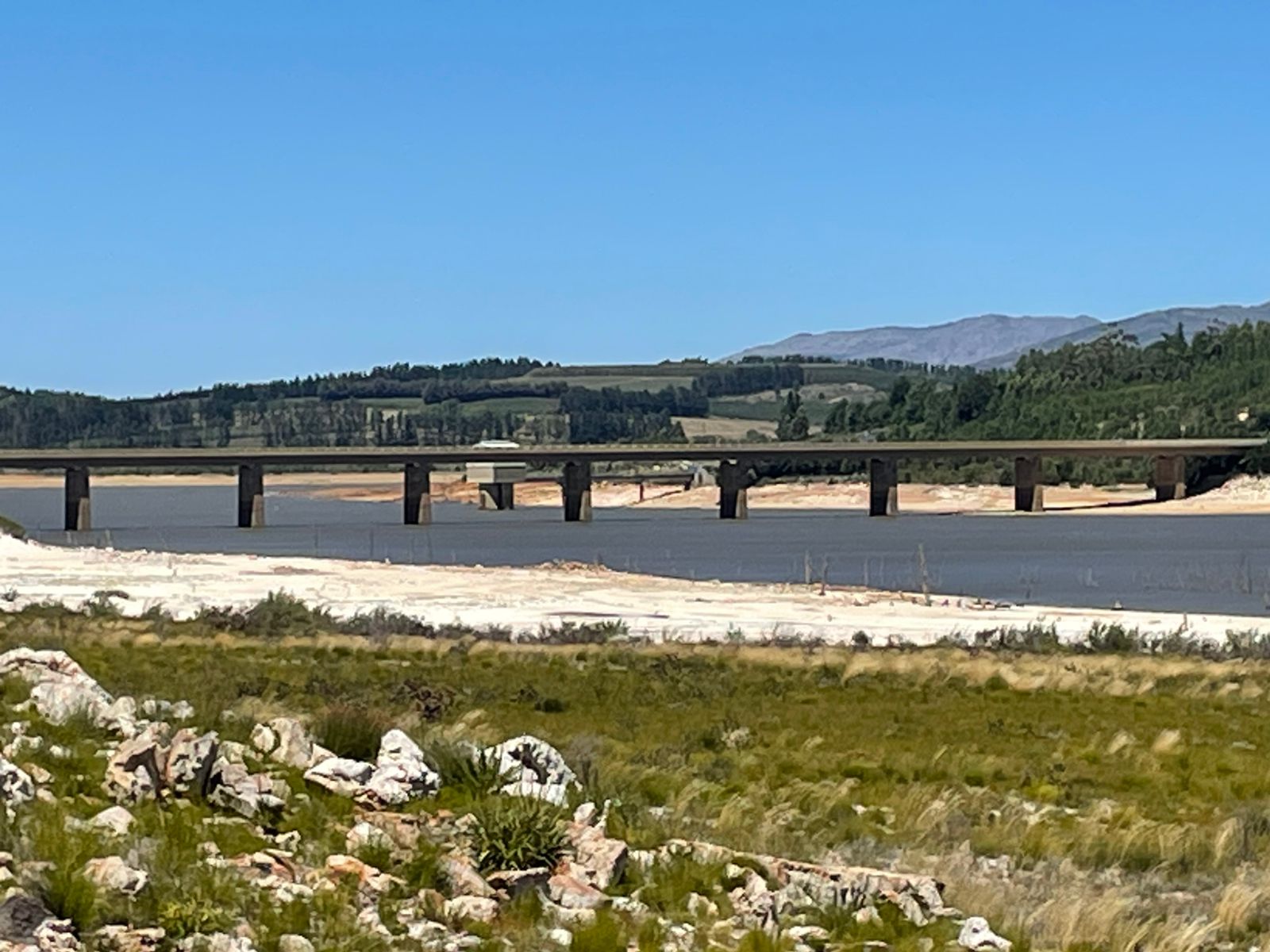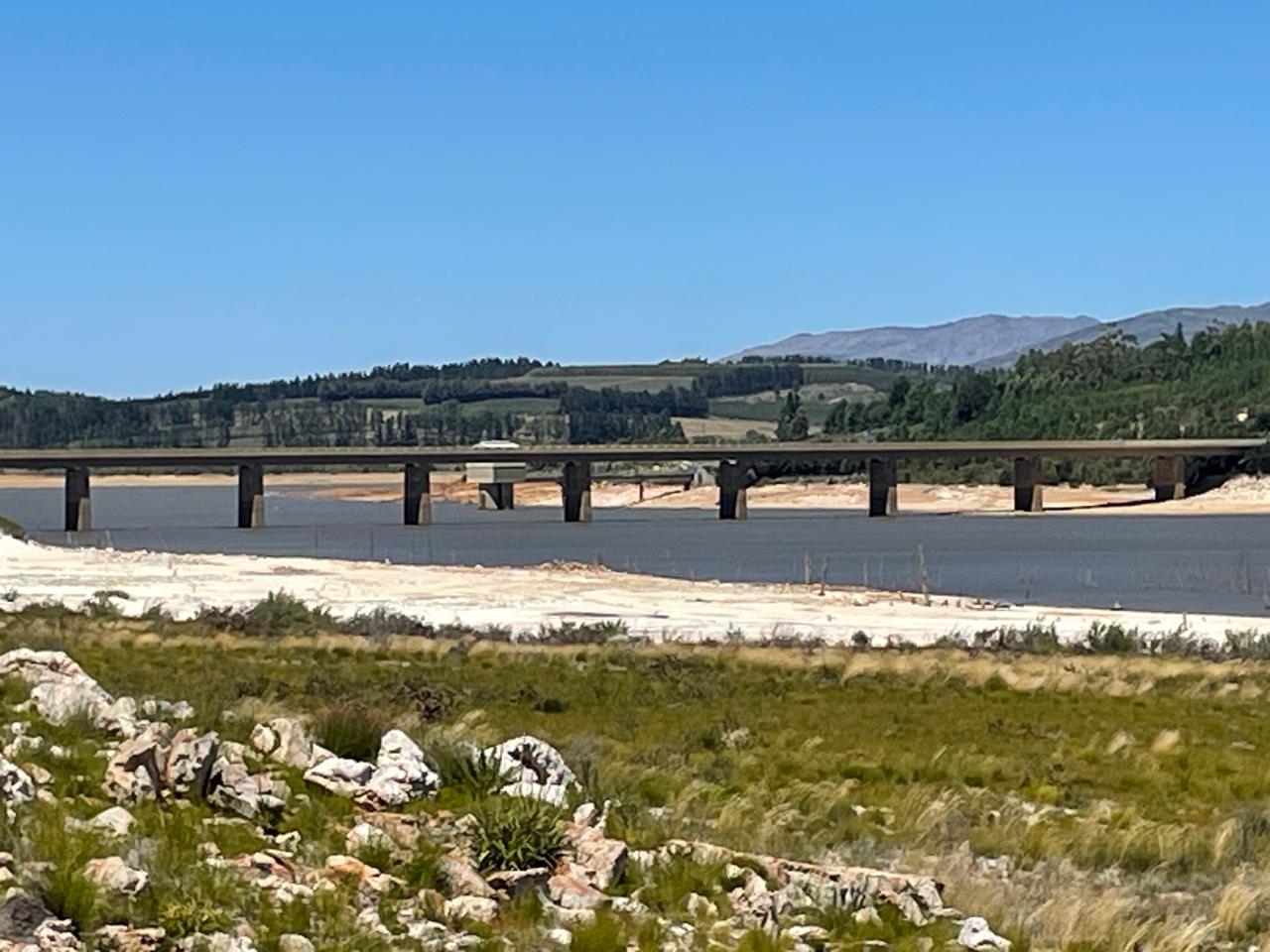
Dam levels across the Western Cape have recorded a further decline as the province experiences sustained dry conditions, according to the latest weekly report from the Department of Water and Sanitation.
Cape Town’s combined state of dams has decreased from 56.36% last week to 54.62% this week, reflecting a drop of 1.74 percentage points. Last year the system was at a comfortable level of 73.20%
The Theewaterskloof Dam, the largest dam in the Western Cape Supply System, has dropped from 53.42% to 52.05%, continuing a downward trend.
Western Cape provincial head of the Department of Water and Sanitation Ntombizanele Bila-Mupariwa said there is no need to panic at this stage, but municipalities should impose water restrictions depending on their situation.
“If a particular municipality sees the need to impose water restrictions, they are most welcome to do so as some municipalities are more stressed compared to others,” Bila-Mupariwa said.
While seasonal declines are expected during this period, the department has urged residents, businesses and industries to intensify water-saving efforts to ensure long-term water security in the province.
The Berg River Catchment has declined from 60.30% to 58.12%, while the Steenbras Upper Dam decreased marginally from 68.96% to 68.82%, and Steenbras Lower Dam fell from 50.01% to 47.69%.
The Western Cape state of dams overall has declined from 51.19% last week to 49.56% this week, with the system standing at 68% in 2025.
The department will continue to monitor dam levels and implement necessary measures to safeguard water resources across the province.