


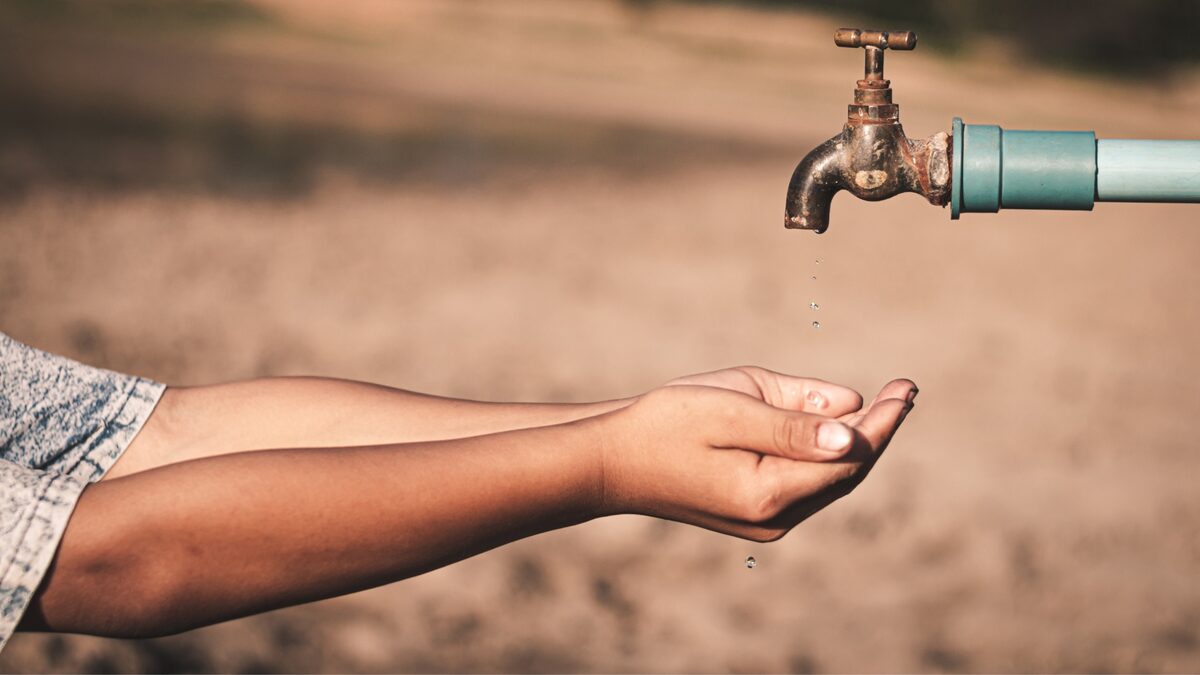
PORT ELIZABETH – With combined dam levels at 46,62% and usable water at 37,64%, the Nelson Mandela Bay Municipality has called for urgent water conservation amid worsening drought conditions.
According to data released on Monday 26 January, combined dam storage has declined drastically, with less than 40% of usable water remaining once dead storage is taken into account.
The municipality has warned that without immediate reductions in consumption, stricter water restrictions and possible supply interruptions may become unavoidable.
Executive Mayor Babalwa Lobishe shared that the metro continued to experience a climate-driven drought. She conducted a site visit to the Impofu Dam on Tuesday 20 January.
“As we call on residents and businesses to reduce water usage, the municipality must also demonstrate accountability. I have instructed the city manager to prioritise the repair of water leaks as a matter of urgency. A turnaround plan has been developed, and procurement processes are being accelerated to improve response times,” she said.
Based on current consumption trends and in the absence of significant rainfall, Nelson Mandela Bay is estimated to have approximately 236 days of water supply remaining, although this projection may change depending on rainfall, consumer behaviour and operational conditions.
ALSO READ: WATER CRISIS: Knysna declares emergency as taps could run dry in days
Although the Groendal Dam remains relatively stable, it is the second-smallest dam in the system, with a capacity of 11 638 megalitres, limiting its ability to offset declining levels in larger dams.
The municipality confirmed water consumption remained a major concern, with current usage averaging approximately 331 megalitres per day, significantly exceeding the city’s target of below 280 megalitres per day.
The situation is further complicated by abstraction restrictions imposed by the national Department of Water and Sanitation, which came into effect on 1 November 2025.
These include a 25% restriction on the Kromme sub-system, which includes the Churchill and Impofu dams; and a 10% restriction on the Kouga sub-system, comprising the Kouga and Loerie dams.
According to the municipality, poor rainfall has worsened the water shortage, with 2025 recorded as one of the lowest rainfall years of the past decade, particularly at the Churchill Dam. Only 2019 recorded lower rainfall levels, and precipitation remained consistently below the long-term average throughout 2025, with no recovery later in the year.
Whilst the drought has not yet been declared a local disaster under the Disaster Management Act, the municipality confirmed it was actively managing drought-related risks in line with its legislative obligations under the Disaster Management Act, the Water Services Act and applicable municipal by-laws.
Residents are urged to immediately reduce household water use by taking shorter showers, reusing water where possible, limiting lawn watering and reducing car washing.
Water leaks can be reported via the municipality’s 24-hour hotline on 0800 20 50 50, or by sending email to waterleaks@mandelametro.gov.za.

