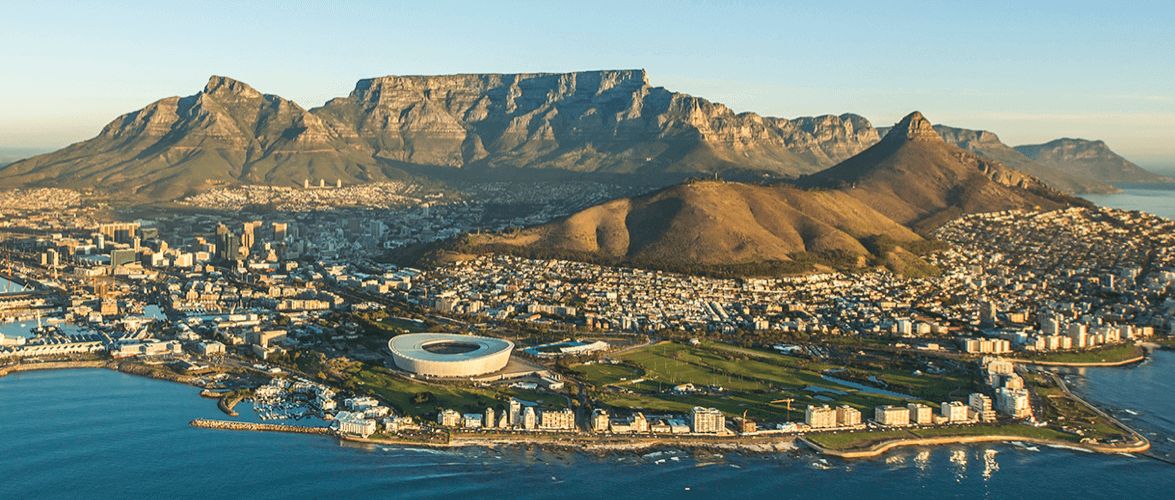
South Africa’s property market demonstrated remarkable resilience throughout 2025, with the Western Cape emerging as the standout performer in a year marked by global uncertainty and careful consumer spending.
While the national property landscape faced mixed results across different sectors, Cape Town and the broader Western Cape consistently outperformed other provinces, setting a strong foundation for continued growth in 2026.
“We’ve weathered a complex few years, but South African property has shown its strength once again,” says Tony Clarke, managing director of the Rawson Property Group. “We’re seeing the early signs of a market ready to grow, adapt, and reward those who engage with it strategically.”
Western Cape punches above its weight
Data from property analytics firm Lightstone reveals the Western Cape’s exceptional performance, with the province delivering property transaction values that defy its smaller GDP and population compared to Gauteng.
“Despite having a smaller GDP and population than Gauteng, the province delivers outsized returns in property transaction values – a clear sign that investor and consumer confidence remain firmly entrenched,” says Esteani Marx, business development executive at Lightstone.
The Western Cape’s House Price Index of 5.67% ranks as the second highest in the country, driven by strong consumer sentiment that continues to push residential property market volume and value upwards, according to Lightstone.
Cape Town defies national trends
The data reveals several key differentiators setting the Western Cape apart from other provinces. While luxury properties above R4 million in both Gauteng and KwaZulu-Natal remain on the market longer than cheaper homes, the Western Cape shows the opposite trend, with luxury and super-luxury properties moving with surprising speed.
ALSO READ: Record R11.3bn property sales surge in Cape Town’s premium areas
The province also boasts the lowest median time on market of the three major provinces, indicating higher demand consistently chasing limited supply.
Arnold Maritz, co-principal of Lew Geffen Sotheby’s International Realty in the Southern Suburbs, says the data validates what agents have witnessed daily.
“The Lightstone data on transaction values and time on market is a statistical validation of what we’ve witnessed daily,” says Maritz. “It underscores a fundamental truth: the Western Cape is not just a property market; it’s a premium asset class.”
Mixed national residential performance
Nationally, residential sales presented a more complex picture. Craig Mott, national sales manager for the Rawson Property Group, describes 2025 as “a mixed bag” with some areas outperforming expectations while others took longer to gain momentum.
Cape Town saw continued demand and limited supply, particularly in mid-market and sectional title properties, whilst Johannesburg experienced longer listing periods and required greater seller flexibility.
“Buyers are cautious, and many are stretching to meet bond requirements,” says Mott. “If a property is priced right and well-presented, it sells. If not, it sits.”
Buyer awareness of long-term value has increased significantly, with purchasers examining total cost of ownership including energy efficiency, rates, levies, and security rather than focusing solely on sale price.
Banks compete aggressively for quality clients
The financing landscape saw intense competition amongst banks targeting quality borrowers. Leonard Kondowe, national manager for Rawson Finance, describes 2025 as “a year of strategic consolidation for lenders” with banks aggressively pursuing young professionals with good credit profiles.
ALSO READ: Interest rates drop: Relief for South African homebuyers as Reserve Bank cuts rates
Banks offered exceptional deals including 100% bonds, legal fee discounts up to 50%, and interest rate concessions as low as 2% below prime in rare cases.
“Banks are often willing to beat a competing offer by throwing in another 0.25%,” says Kondowe.
However, affordability remained challenging, with many buyers unable to qualify for their desired bond amounts despite rate cuts throughout the year.
Rental market maintains strength
The rental sector delivered consistent performance across 2025. Jacqui Savage, national rentals manager for the Rawson Property Group, reports “a strong and consistent year for rentals” with steady growth, especially in well-connected lifestyle areas.
Tenant preferences evolved towards greater value-consciousness, with demand for fibre, security, and quality finishes driving rental decisions. Remote work sustained demand outside metro areas, particularly in the Eastern and Southern Cape, which experienced stock shortages due to continued migration from cities.
Notably, South Africa’s removal from the FATF grey list boosted investor confidence, with Savage reporting a 30-35% increase in investor activity that supported the residential market.
Commercial sector shows strategic shifts
Commercial property experienced varied performance by sector. The industrial and logistics segment continued outperforming other asset classes with robust rental growth and low vacancy rates, driven by online retail and supply-chain demand.
Sean Grove, business growth and commercial manager at the Rawson Property Group, notes strategic market shifts as hybrid work reshapes office needs whilst logistics space remains highly sought after.
“This isn’t just recovery – it’s a recalibration towards the assets and spaces that meet tomorrow’s business needs,” says Grove.
Inventory shortage drives Cape Town market
Despite strong performance, the Western Cape’s defining challenge remained a critical property shortage. Claude McKirby, co-principal at Lew Geffen Sotheby’s International Realty, identifies this as the central market dynamic.
“Lightstone’s finding of a lower median time on market is the direct result of a severe inventory crunch,” says McKirby. “Well-priced, quality homes in desirable areas were receiving multiple offers and selling swiftly, often at or above asking price.”
The post-pandemic shift in buyer priorities has solidified, with purchasers actively seeking properties featuring home offices, indoor-outdoor flow, garden space, security, and energy efficiency including solar power and fibre connectivity.
2026 outlook remains positive
Looking ahead, industry leaders anticipate continued strength with some moderation. Maritz forecasts price growth stabilising to a more sustainable 4-7% range for prime areas, with potential mid-market revival if interest rates moderate.
“The underlying drivers – semigration, foreign interest, and a flight to quality – are not abating,” says Maritz.
The inventory shortage is expected to persist, maintaining seller market conditions, particularly for well-maintained properties meeting modern living demands.
For the broader national market, Clarke emphasises the importance of strategic preparation for 2026 opportunities.
“Success in 2026 won’t come from sitting on the sidelines,” says Clarke. “It’s about understanding the environment, working with professionals who know the terrain, and making confident, informed moves.”
Key fundamentals remain understanding affordability and lending options, presenting properties well, and partnering with experienced property professionals.
“It’s not about timing the market, it’s about time in the market,” says Mott. “Opportunities are always there for those who are ready.”